

Dealing with brittle nails affects millions of New Yorkers daily, creating frustration and self-consciousness about hand appearance. This guide reveals the eight common causes of peeling keratin layers and provides expert solutions from Nailuxe, a mobile nail service in New York City, to restore your nail health in the demanding metropolitan climate.
What Do Peeling Fingertips (Onychoschizia) Look Like?
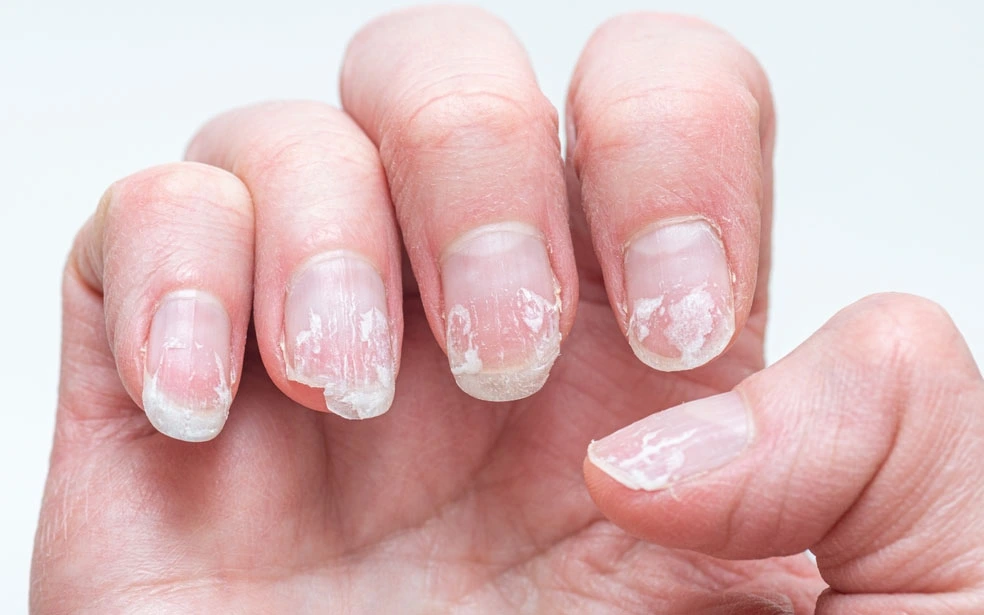
Peeling fingernails, medically termed onychoschizia, appear as thin horizontal layers separating from the free edge of the nail plate. You may observe whitish lamellar splitting or transverse streaks across the surface where superficial sheets lift away, a presentation sometimes accompanying leukonychia. Compromised plates feel significantly thinner than healthy nails, exhibiting a fragile, translucent texture that bends easily under slight pressure.
These damaged keratin structures split into ragged edges that snag clothing and create ongoing discomfort. The nail surface feels uneven and rough, prompting frequent filing that further weakens plate integrity. New York’s harsh winter heating and summer humidity accelerate this intercellular desmosome breakdown, making onychoschizia a year-round concern for city residents.
8 Common Reasons Why Your Fingertips Are Peeling
Fingernails peel when environmental stresses, physical trauma, or internal health factors disrupt the intercellular lipid bonds holding keratin layers together.
1. Environmental Exposure plus Chemical Damage
Urban exposure in New York City subjects hands to harsh chemicals daily through household cleaning agents, alcohol hand sanitizers, and metropolitan pollutants. Frequent subway commutes followed by repeated alcohol sanitizer applications strip away natural protective sebum and intercellular lipids from the nail plate.
Chemical solvents degrade the sulfur-rich keratin proteins that maintain nail hardness. Alkaline detergents and surfactants break down lipid bilayers between nail layers, causing lamellar separation. Professionals working in healthcare, hospitality, and custodial roles face heightened risks due to frequent occupational contact, with visible damage appearing weeks later as fingernails grow approximately 3.47 mm (0.14 in) per month.
2. Too Much or Too Little Moisture
Repeated cycles of wetting and drying constitute the most common physical cause of onychoschizia in New York. Prolonged exposure to water swells the nail plate, expanding spaces between dorsal and ventral layers, while subsequent drying causes rapid contraction that fractures keratin bonds.
Conversely, low humidity from indoor winter heating and continuous air conditioning severely dehydrates the nail bed and surrounding cuticles. Dehydrated keratin loses flexibility, leading to brittle, cracking plates that splinter under minimal mechanical stress.
3. Trauma or Physical Injury to the Fingertip
Repeated mechanical micro-trauma gradually fractures the structural integrity of the nail plate. Using fingertips as tools to pry open packages, scrape adhesive surfaces, or tap forcefully on keyboards introduces microscopic fractures that propagate into horizontal delamination.
Aggressive salon practices represent another primary source of physical trauma. Over-buffing thins the dorsal nail plate, rough cuticle clipping injures the protective eponychium, and prying or scraping off gel or acrylic enhancements strips away multiple healthy keratin layers.
4. Frequent Use of Harsh Manicure Products
Repetitive use of harsh chemical formulations degrades nail plate cohesion. Acetone-based polish removers extract essential moisture and natural oils, leaving plates severely dehydrated after each application.
Low-grade nail lacquers and adhesives containing formaldehyde, toluene, or dibutyl phthalate (DBP) penetrate keratin matrices and compromise elasticity. Furthermore, improper removal techniques that scrape hardened products off dry nail plates cause severe physical peeling that requires months of regrowth to repair.
5. Nutrient Deficiencies
Systemic nutritional deficiencies directly undermine keratin synthesis in the nail matrix. Iron deficiency anemia reduces oxygen delivery to growing tissue, producing thin, brittle, concave or peeling plates that lack structural density.
Because nails consist predominantly of hard alpha-keratin protein, inadequate dietary protein intake impairs structural rigidity. Deficiencies in biotin (vitamin B7), vitamin B12, folate, and zinc impair cellular turnover, often manifesting as slow growth, fragility, or vertical ridges on nails.
6. Underlying Thyroid Issues
Endocrine imbalances, particularly thyroid disorders, directly modulate nail plate growth and cellular metabolism. Hypothyroidism slows systemic cellular proliferation in the nail matrix, leading to dry, brittle, slow-growing nails that separate and peel easily.
Although less prevalent, hyperthyroidism accelerates plate growth while impairing structural bonding, which can cause fragility and distal nail separation (onycholysis). Both conditions require professional medical evaluation and blood work to restore hormonal equilibrium and nail health.
7. Fungal Infections
Onychomycosis, caused by dermatophyte fungi, invades the nail bed and ventral nail plate, breaking down keratin through fungal enzymes. As fungal hyphae proliferate, the compromised keratin weakens, causing crumbling, thickened layers, and superficial peeling.
Fungal organisms thrive in warm, moist environments like communal gym locker rooms, pools, and damp footwear during humid New York summers. An infection typically presents with yellow-brown discoloration, subungual hyperkeratosis, and brittle margins that require medical diagnosis.
8. Natural Aging Process
Natural chronological aging reduces peripheral blood microcirculation and moisture retention in the nail matrix. As cellular turnover slows, fingernails grow more slowly, developing thinner, drier dorsal plates with reduced lipid content.
Hormonal shifts, including declining estrogen levels post-menopause, lower keratin flexibility and collagen production. Over decades, cumulative environmental exposure and slower healing capacity make older nails progressively more prone to distal splitting and horizontal peeling.
How to Treat Peeling Fingertips with At-Home Care in New York
Treating peeling fingernails requires consistent daily moisture replenishment, barrier protection, and sterile professional maintenance.
Self-Care Guidelines for Daily Health
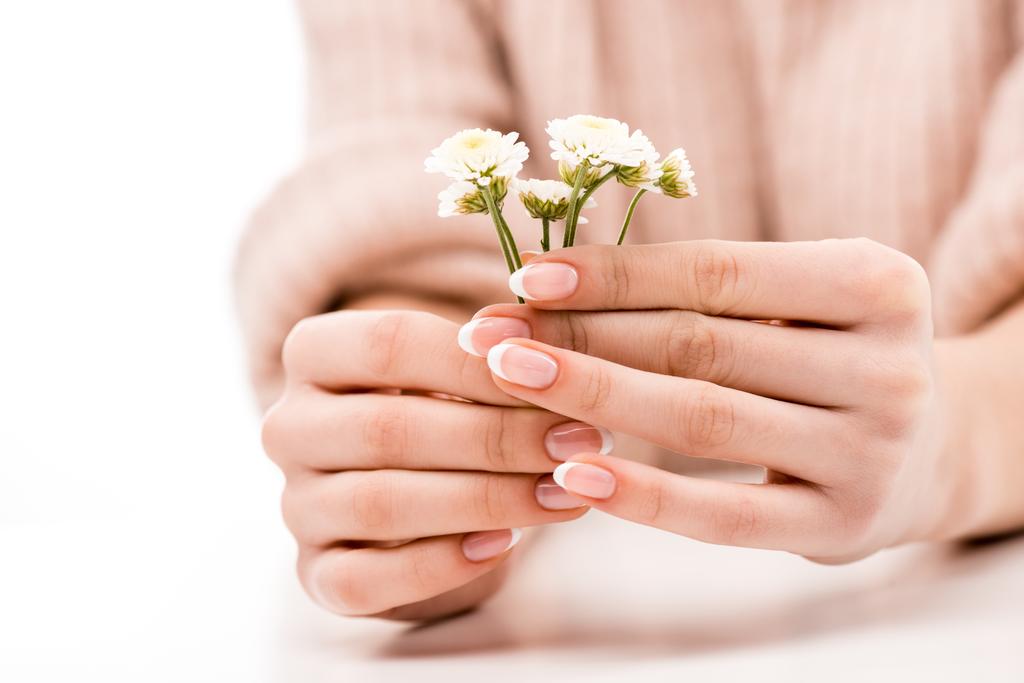
Apply a nourishing cuticle oil containing pure jojoba oil and vitamin E twice daily to the nail plate and surrounding eponychium. Jojoba oil possesses a molecular size small enough to penetrate intercellular spaces, replenishing lost lipids in dry New York apartments.
Keep fingernails trimmed short and shaped with a 240-grit glass file, filing smoothly in one direction rather than using an aggressive back-and-forth sawing motion that frays keratin edges. Always wear protective lined gloves when washing dishes or handling household detergents to prevent moisture swelling and chemical erosion.
Before applying color, use a conditioning base coat or nourishing nail hardener enriched with keratin, hydrolyzed wheat protein, or calcium. Avoid products containing formaldehyde or resin sensitizers that induce brittleness over time.
Professional Service at Home: The MobileNailNewyork Approach
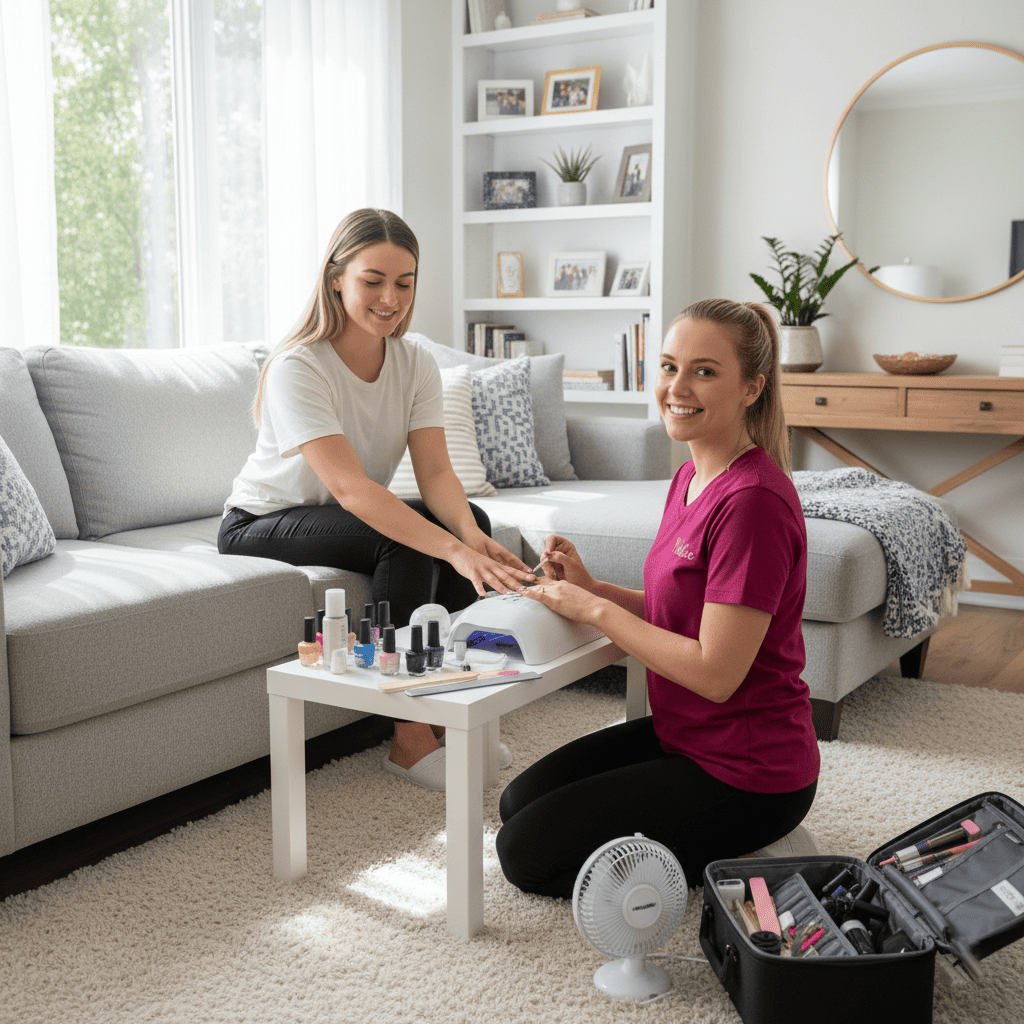
Nailuxe brings licensed nail technicians directly to your residence across Manhattan, Brooklyn, Queens, The Bronx, and Staten Island from 07:00 to 21:00, seven days a week. We eliminate salon travel and crowded waiting rooms by delivering clinical-grade hygiene directly to your table, including services such as mobile nails manhattan.
Every metal tool is steam-autoclaved at 121°C (250°F) for 30 minutes at our Brooklyn operations base, sealed in an indicator pouch, and opened in front of you, while files and buffers are strictly single-use. This gentle, private setting protects damaged plates from unhygienic practices, harsh fumes, and aggressive salon filing.
Recommended Treatments from MobileNailNewyork for Stronger Fingertips
For peeling and structurally weakened fingernails, Nailuxe recommends two core licensed services:
- Builder Gel Manicure ($95, 90 minutes): A structured overlay applied over natural nails adds a reinforced apex that shields fragile keratin from bending and mechanical impact, allowing peeling layers to grow out protected beneath a glossy finish.
- Classic or Spa Manicure ($55–$75, 45–60 minutes): Careful nail shaping in one direction, gentle cuticle tidying without cutting living tissue, and hydrating massage nourish stressed nail matrices. You can pair this with our specialized foot care services like mobile pedicure new york.
All gel services are backed by the Nailuxe 7-Day Care Promise, which provides a complimentary repair visit within 7 days if any chipping or lifting occurs.
How Can I Prevent My Fingertips From Peeling?
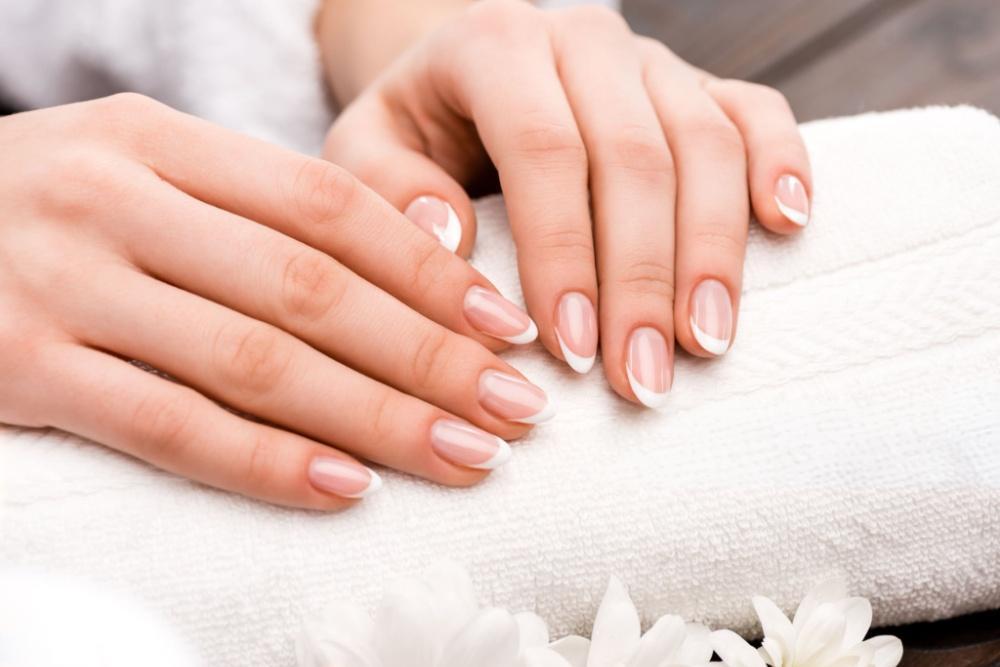
Preventing onychoschizia requires proactive environmental protection, safe maintenance habits, and proper nutritional support.
Best Practices for Care in a New York Climate
Adapt your nail routine to New York’s distinct seasonal shifts. During winter, combat dry radiator heat by applying rich ceramide hand creams and cuticle balms multiple times daily, wearing insulated gloves outdoors to shield nails from sub-freezing winds.
During summer, prevent excessive moisture saturation by thoroughly drying hands after swimming or washing. Maintain a moderate, functional nail length, as shorter edges experience significantly less leverage trauma during daily subway commutes, door handling, and office tasks.
Protecting Your Fingertips from Trauma and Harsh Chemicals
Discontinue using your fingernails to open soda cans, peel stickers, or unbox deliveries; use designated handheld tools instead. When typing, press keys with the fleshy pads of your fingers rather than tapping with nail tips.
Always review product labels and choose lacquers formulated free of formaldehyde, toluene, and dibutyl phthalate (DBP). Avoid non-autoclaved walk-in salons that reuse emery boards or over-file natural plates, and schedule regular at-home maintenance every 2 to 3 weeks to keep free edges sealed.
Diet and Lifestyle Changes for Healthy Growth
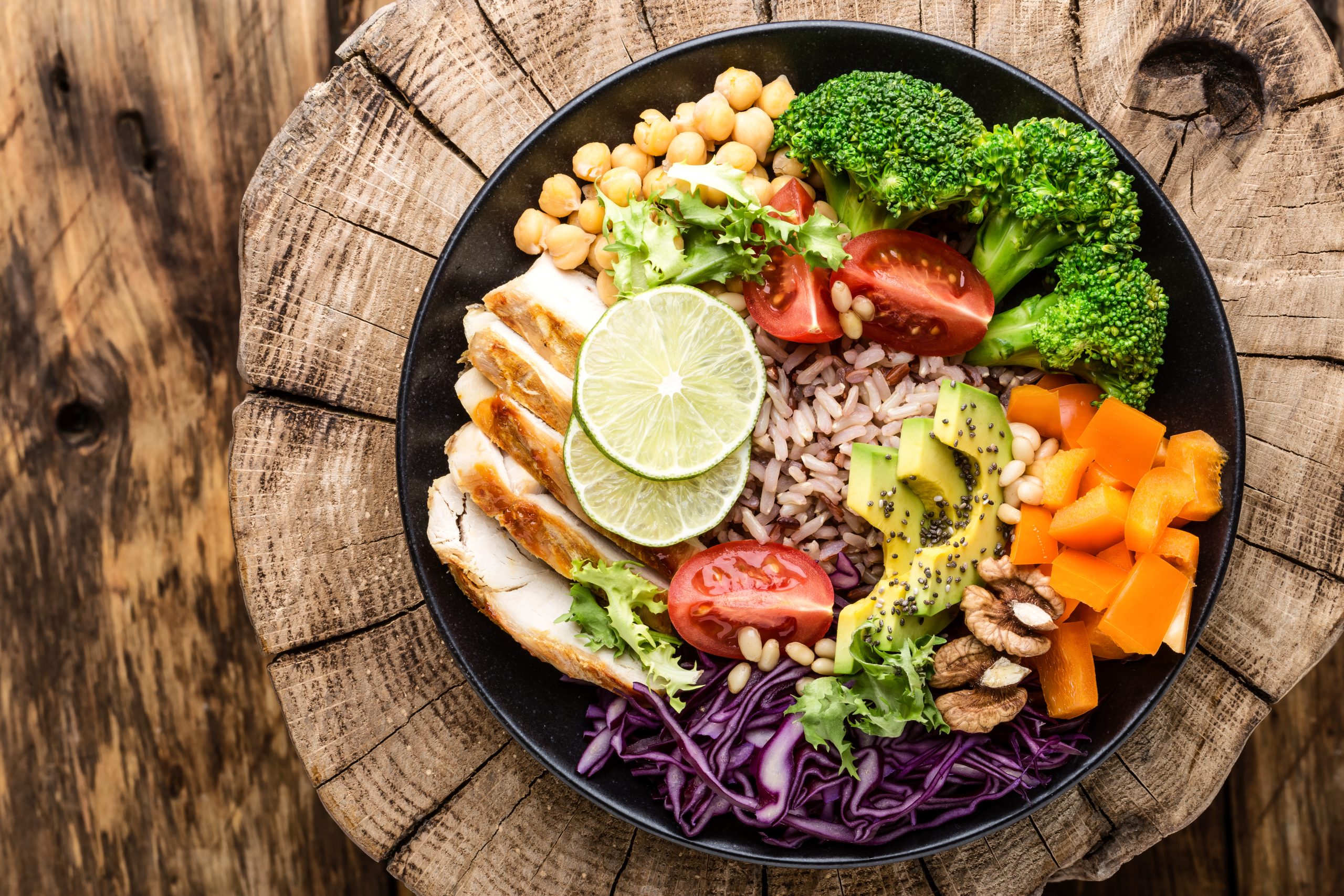
Support keratin synthesis by consuming protein-rich foods, including eggs, wild-caught fish, lentils, and quinoa, aiming for roughly 0.8 grams of dietary protein per kilogram of body weight daily. Incorporate bioavailable iron from spinach, lean poultry, and legumes to maintain optimal tissue oxygenation.
Consider taking a dietary biotin (vitamin B7) supplement under a physician’s guidance if dietary intake is inadequate, as clinical studies indicate biotin supports nail plate thickness over 3 to 6 months of consistent use. Maintain proper hydration by drinking adequate water daily to prevent cellular dehydration in dry indoor air.
When to See a Doctor for Peeling Fingertips
Consult a board-certified dermatologist or primary care physician if fingernail peeling persists despite consistent at-home hydration and gentle professional care. Chronic, unresolving onychoschizia often indicates an underlying systemic issue, such as severe anemia, thyroid disease, or autoimmune lichen planus.
Seek immediate medical attention if you observe clinical signs of localized infection, including erythema (redness), swelling, throbbing pain, or purulent drainage around the nail fold. Additionally, if multiple nails peel simultaneously without obvious physical cause, or if peeling coincides with unexplained fatigue, unintended weight changes, or hair loss, schedule a comprehensive medical evaluation.
MobileNailNewyork Answers Your Questions About Peeling Fingertips in New York
Why are my nails splitting in layers?
Nails split in horizontal layers, known as onychoschizia, because repeated wetting and drying cycles, chemical detergents, or nutrient deficiencies break down the intercellular bonds between keratin sheets. In New York’s environment, frequent handwashing, alcohol sanitizers, and dry winter radiator heating strip away natural lipids, leaving fragile keratin unable to adhere cohesive layers.
Can a professional service at home improve peeling?
Yes, professional at-home services effectively improve peeling nails by providing targeted strengthening treatments and strict clinical hygiene in a private environment. Licensed Nailuxe technicians utilize autoclave-sterilized tools, single-use files, and non-damaging structured gels to reinforce weak plates and prevent snagging, avoiding the rushed scraping and chemical exposure common in high-traffic salons.
What MobileNailNewyork service is best for brittle and peeling fingertips in New York?
A Builder Gel Manicure or Classic Manicure from Nailuxe provides the most effective care for brittle, peeling nails in New York City. The Builder Gel Manicure ($95, 90 minutes) adds a lightweight, structured protective overlay that shields compromised natural nails while keratin regrows, whereas the Classic Manicure ($55, 45 minutes) tidies edges without aggressive filing, keeping natural plates healthy under our 7-Day Care Promise.
Life in New York City is always fast-paced, and Nailuxe understands you deserve premium self-care without sacrificing your valuable time. Let our licensed technicians bring a hygienic, private nail studio experience directly to your door in Manhattan, Brooklyn, Queens, The Bronx, or Staten Island. Enjoy healthy, beautifully protected nails on your own schedule.
Book your appointment with Nailuxe today to restore strength and beauty to your natural nails.
- Hotline: +1442-555-4022
- Email: [email protected]
- Website: https://mobilenailnewyork.com
- Operations Base: 191 Hancock St, Brooklyn, NY 11216, United States (no walk-in service)
- Hours: 07:00–21:00 (7 AM–9 PM), Monday to Sunday
