
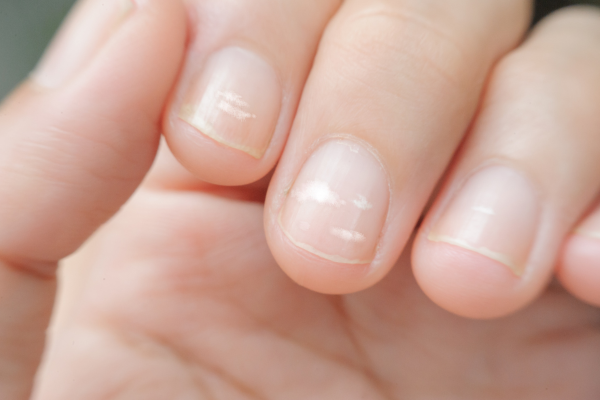
White spots on fingernails, medically termed leukonychia, occur when keratinization is disrupted within the developing nail plate. While these marks often cause concern for New York residents navigating fast-paced daily routines, most cases stem from minor matrix micro-trauma or product sensitivity and resolve naturally as the keratin plate grows out.
What Are White Spots on Fingernails (Leukonychia)?
Leukonychia is a white discoloration of the keratin plate on fingernails or toenails resulting from defective keratinization in the nail matrix. The condition manifests in three primary clinical patterns: punctate leukonychia (small white spots), striate leukonychia (transverse white bands, including Mees’ lines), and longitudinal or total leukonychia affecting larger portions of the nail plate. The term originates from the Greek words leuko (white) and onyx (nail).
Dermatologists classify leukonychia into two principal categories: true leukonychia and apparent leukonychia. In true leukonychia, the pathology originates within the nail matrix, embedding parakeratotic cells into the nail plate itself; these white spots do not blanch when pressure is applied and move outward as the nail grows. In apparent leukonychia, the discoloration originates in the vascular nail bed beneath the transparent nail plate, causing the whiteness to fade or blanch under pressure without moving as the plate elongates.
The nail matrix, positioned beneath the proximal nail fold and cuticle, produces the specialized hard keratin that forms the nail plate. Fingernails grow at an average rate of 3.47 mm (0.14 in) per month, whereas toenails grow at roughly 1.62 mm (0.06 in) per month. Consequently, a spot originating at the matrix requires several months of linear plate progression before fully growing out to the free edge.
5 Common Causes of White Spots on Fingernails in New York
White spots develop through mechanical disruption, chemical exposure, microbiological pathogens, nutritional gaps, or systemic physiological changes affecting the nail apparatus.
Injury or Trauma to the Nail
Physical trauma to the nail matrix represents the most frequent cause of punctate leukonychia among New York City residents. Urban daily life presents constant opportunities for micro-trauma, such as pinching fingers in heavy subway doors, colliding with hard surfaces on crowded streets, or dropping heavy items at home or work.
Recreational sports, bouldering at Brooklyn climbing gyms, and playing basketball on city courts regularly subject fingertips to sudden mechanical shock. In professional environments, typing aggressively on keyboards, handling heavy retail inventory, or operating power tools creates repetitive matrix strain. Similarly, aggressive salon manicures—such as forcefully pushing back or cutting proximal cuticles—damage delicate matrix cells.
Because the nail plate takes weeks to emerge past the eponychium, trauma-induced white spots often become visible long after the initial injury occurred. These trauma-related spots typically appear on isolated individual digits rather than across all ten fingernails simultaneously.
Allergic Reaction to Manicure Products
Allergic contact dermatitis and chemical damage from cosmetic manicure formulations frequently cause localized nail plate discoloration and chalky white spots. Common sensitizers include formaldehyde and resin in hardeners, toluene in conventional nail lacquers, and methacrylate monomers in acrylic enhancement systems.
Gel polish systems containing volatile methacrylates can cause contact allergies in sensitive individuals when under-cured or applied onto periungual skin. Furthermore, base coats containing aggressive resins and cuticle removers formulated with concentrated potassium hydroxide can erode surface keratin. Over time, repeated chemical irritation weakens the dorsal nail plate.
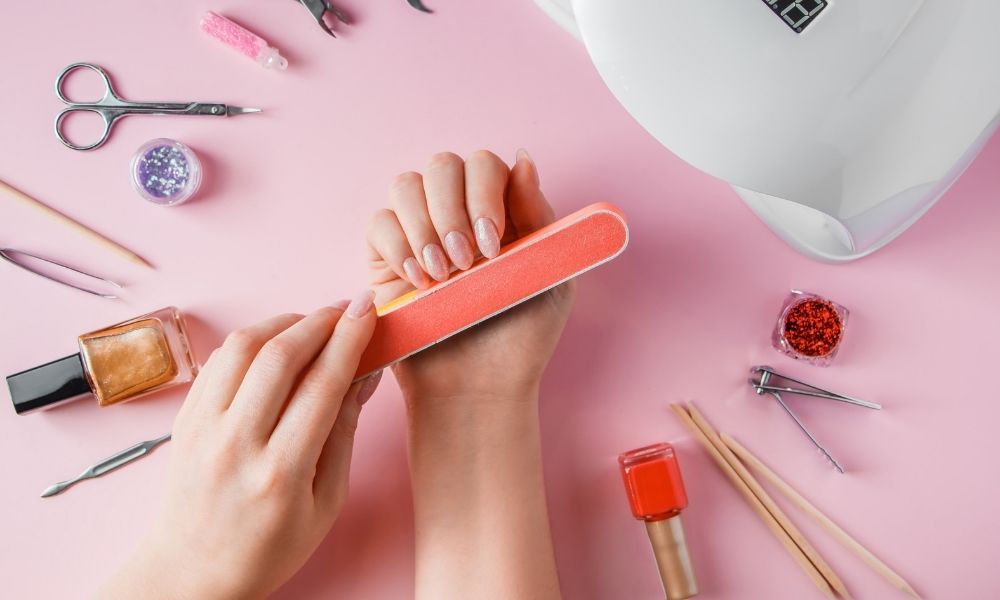
Repeated exposure to pure acetone or harsh polish removers strips essential lipids and moisture from the nail plate, causing superficial keratin granulations that appear as chalky white spots. This chemical dehydration is also one of the leading peeling nails causes. Allowing nails insufficient recovery time between polish applications compounds this structural weakness.
Fungal Infections
Superficial fungal infections of the nail apparatus, known medically as onychomycosis, frequently present as white spots or superficial white plaques on the dorsal nail plate. The humid summers of New York City and heavily heated indoor environments in winter provide prime conditions for fungal spores to colonize vulnerable keratin.
Public facilities throughout Manhattan, Brooklyn, and Queens—including fitness centers, communal swimming pools, and shared locker showers—frequently harbor dermatophytes such as Trichophyton mentagrophytes (the primary agent in superficial white onychomycosis), non-dermatophyte molds, and Candida yeasts. Candida species especially target fingernails subjected to chronic water exposure.
Long commutes on New York public transit in non-breathable footwear create warm, enclosed environments that accelerate fungal growth, which is a primary factor in developing toenail fungus. When untreated, superficial white fungal spots spread distally and laterally, leading to keratin thickening, subungual hyperkeratosis, and brittle crumbling.
Vitamin or Mineral Deficiency
Systemic nutritional deficiencies directly disrupt cellular turnover in the nail matrix, underscoring the importance of consuming adequate vitamins for nails through a nutrient-dense diet. Zinc deficiency is a well-established cause of leukonychia, as the matrix requires zinc as an enzymatic cofactor for rapid cell division and protein synthesis.
While popular belief often attributes white spots to calcium deficiency, scientific consensus indicates that low calcium rarely causes leukonychia directly. In contrast, severe protein malnutrition impairs the production of hard alpha-keratin, the fundamental structural building block of the nail plate. Iron deficiency anemia can also impair microvascular perfusion to the matrix, producing plate fragility, spooning (koilonychia), and irregular pale discoloration.
Deficiencies within the B-vitamin complex, specifically biotin (vitamin B7) and cobalamin (vitamin B12), degrade the integrity of the nail plate. Individuals adhering to unsupplemented restrictive diets within New York’s diverse culinary landscape may develop B12 or zinc deficiencies that manifest in defective matrix keratinization.

Underlying Medical Conditions
Systemic diseases and metabolic alterations can manifest through distinct morphological changes in the nail plate and vascular bed. An accompanying change in nail texture is also one of the more common nail ridges causes indicating an underlying health imbalance.
Severe liver pathology, such as cirrhosis, causes systemic hypoalbuminemia, which induces Terry’s nails—a form of apparent leukonychia where the nail bed turns opaque white with a narrow dark pink band at the distal edge. Similarly, chronic kidney disease can cause Lindsay’s nails (half-and-half nails), where the proximal half of the nail bed appears white and the distal portion appears reddish-brown.
Thyroid disorders significantly modulate keratin growth rates: hypothyroidism causes slow-growing, brittle nails prone to leukonychia, whereas hyperthyroidism can cause nail plate separation (onycholysis). Furthermore, systemic chemotherapy drugs frequently produce transverse leukonychia bands across multiple digits, while autoimmune disorders like psoriasis disrupt matrix differentiation.
How Are White Spots on Nails Treated at Home?
Most trauma-induced white spots on the keratin plate resolve without medical intervention as the healthy nail plate grows out. Because fingernails advance approximately 3.47 mm (0.14 in) monthly and toenails roughly 1.62 mm (0.06 in) monthly, complete replacement takes 6 to 9 months for fingers and 12 to 18 months for toes.
Targeted home care accelerates recovery and protects the nail plate from secondary damage:
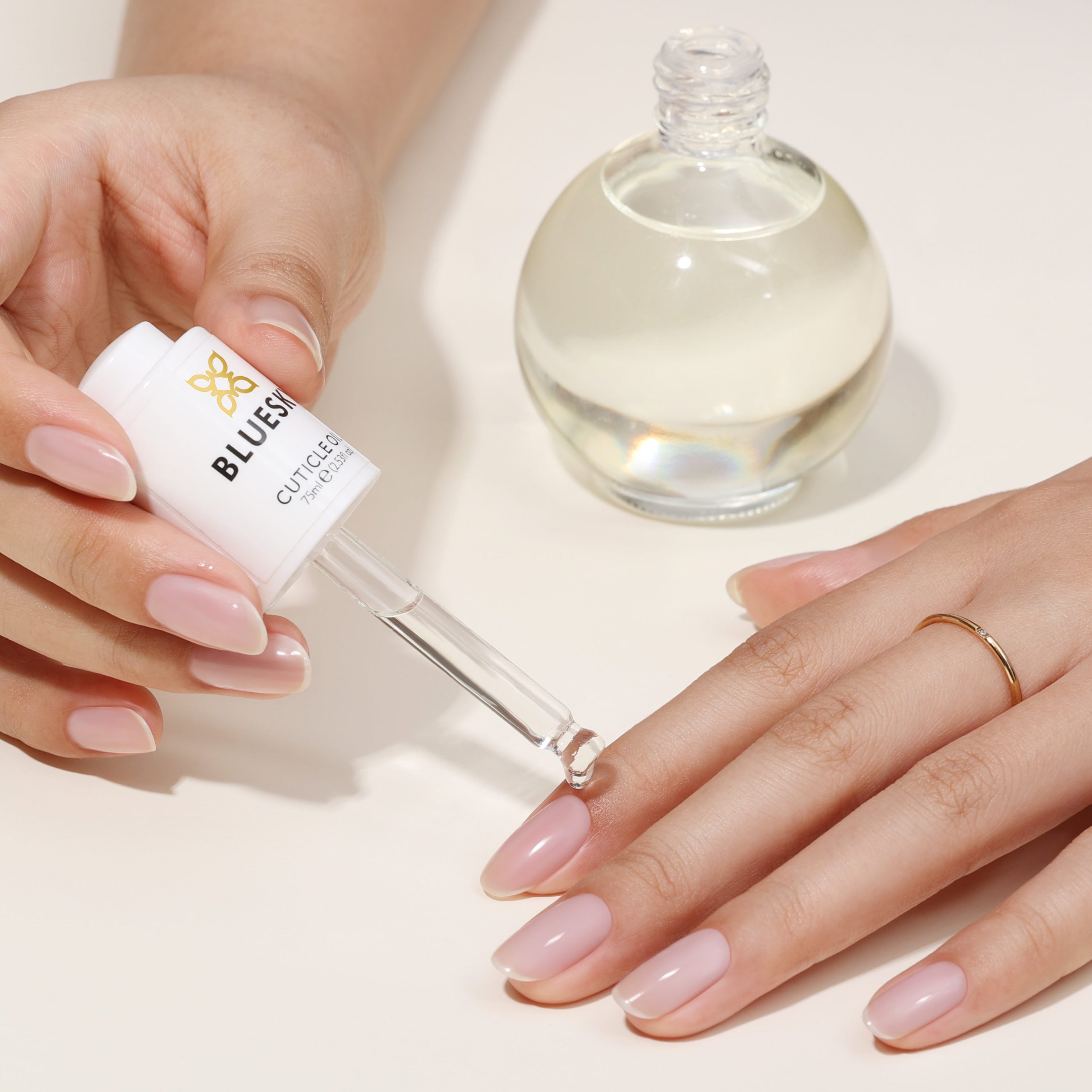
- Hydrate keratin daily: Apply nourishing botanical oils, such as jojoba or coconut oil, to the cuticles and nail plates twice daily to restore lipid balance and reduce superficial keratin granulations.
- Eliminate harsh solvents: Avoid pure acetone removers, alcohol-heavy sanitizers, and hardeners containing formaldehyde, which strip natural moisture and weaken keratin bonds.
- Wear protective gloves: Shield hands with lined rubber or nitrile gloves when cleaning, washing dishes, or handling household chemicals to prevent chemical erosion and mechanical stress.
- Optimize dietary protein and minerals: Support matrix activity by consuming zinc-dense foods (pumpkin seeds, chickpeas, shellfish), lean proteins, and leafy greens rich in B-complex vitamins.
- Maintain conservative length: Keep nail plates neatly trimmed straight across and smoothly filed to minimize leverage forces and accidental trauma during daily physical activities.
For early superficial fungal spots, over-the-counter topical antifungal lacquers may provide initial support. However, established fungal infections affecting deeper layers or the nail bed require prescription antifungal treatment directed by a healthcare professional.
How MobileNailNewyork’s At-Home Nail Service in New York Helps Prevent White Spots
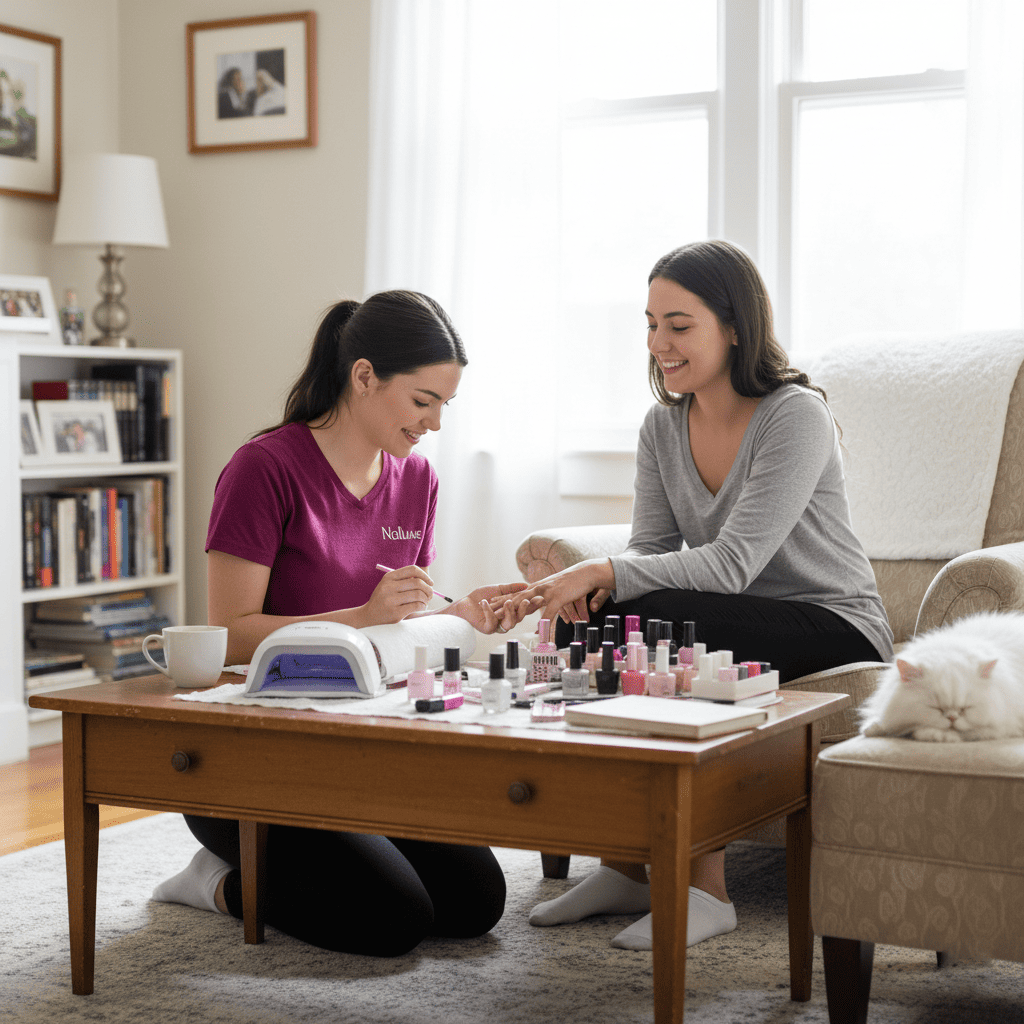
Nailuxe delivers licensed, hygienic mobile nail care directly to homes, offices, and suites across Manhattan, Brooklyn, Queens, The Bronx, and Staten Island. By scheduling professional at-home appointments, such as our popular mobile nails brooklyn visits, clients eliminate the cross-contamination risks and hurried services common in crowded walk-in salons.
Every Nailuxe technician holds a New York State Nail Specialty License and adheres to strict hospital-grade hygiene standards. All metal tools are steam-autoclaved at 121°C (250°F) for 30 minutes at our Brooklyn operations base, sealed in sterile pouches with color-change indicators, and opened directly in front of you, while files, buffers, and basin liners are strictly single-use. Our technicians perform gentle, matrix-safe cuticle care without aggressive cutting and provide premium, low-odor lacquers and HEMA-free gel options cured under 48 W LED lamps, protecting your natural nail plates from chemical sensitization and physical trauma.
When to See a Healthcare Professional for White Spots on Nails
Persistent or widespread white spots that do not migrate toward the distal edge as the nail grows warrant clinical evaluation by a board-certified dermatologist. When multiple fingernails and toenails develop concurrent discoloration without prior trauma, an underlying systemic condition may be responsible.
Consult a healthcare provider promptly if you observe any of the following clinical indicators:
- Stationary white spots that remain fixed near the matrix rather than moving outward with linear nail growth over several months.
- Extensive leukonychia totalis, where entire nail plates turn opaque white across multiple digits.
- Paired transverse white bands (Muehrcke’s lines) or white nail beds with dark distal borders (Terry’s nails), signaling possible liver or kidney disorders.
- Accompanying structural damage, including severe nail plate thickening, crumbly debris, separation from the bed (onycholysis), or localized pain.
- Nail discoloration accompanied by systemic symptoms such as chronic fatigue, unexplained weight loss, shortness of breath, or joint swelling.
Dermatologists in New York utilize non-invasive dermoscopy, nail clippings for histopathology and fungal culture, and systemic blood panels to diagnose the precise etiology and recommend appropriate medical therapies.

Frequently Asked Questions
Are White Spots on Nails Linked to a Thyroid Condition?
Yes, a link can exist between white spots on nails and a thyroid condition, although leukonychia is rarely the sole indicator. Thyroid dysfunction impacts metabolic activity and keratin production rates. Hypothyroidism typically slows nail growth and causes brittle, pale plates prone to apparent leukonychia, while hyperthyroidism can trigger nail plate separation from the bed. A physician can run blood tests to assess thyroid hormone levels accurately.
Can Pregnancy Cause White Spots on Nails?
Yes, pregnancy can occasionally cause white spots on nails. Maternal hormonal changes and expanded blood volume alter peripheral microvascular perfusion, frequently causing apparent leukonychia where the nail bed appears whiter beneath the transparent plate. In addition, shifting nutritional demands for zinc and protein can transiently affect matrix keratinization. These variations are generally harmless and resolve naturally during the postpartum period.
Living in New York City demands a fast-paced routine, but maintaining healthy, immaculate nails should never require compromising on safety or personal convenience. Nailuxe brings a bespoke, private nail care experience directly to your door across all five boroughs. Enjoy salon-grade manicures and pedicures performed with medical-grade sterilization and meticulous care for your natural nail plates.
Book your appointment with Nailuxe today to restore beauty, balance, and health to your hands and feet.
- Brand: Nailuxe
- Operations Base: 191 Hancock St, Brooklyn, NY 11216, United States (no walk-in service)
- Hotline: +1442-555-4022
- Email: [email protected]
- Website: https://mobilenailnewyork.com
- Hours: 07:00–21:00 (7 AM–9 PM), Monday to Sunday
- Service Area: Manhattan, Brooklyn, Queens, The Bronx, Staten Island
