

Your fingernails reflect your systemic nutritional health. Brittle, thin, or discolored nail plates frequently signal micronutrient deficiencies, meaning an effective weak nails treatment begins from within through a balanced diet.
Nailuxe, a mobile nail service in New York City, recognizes that durable nail integrity unites internal cellular nutrition with hygienic external maintenance. Our New York State licensed technicians prioritize natural nail health across more than 48,000 completed appointments, confirming that daily nutrition creates the structural foundation for resilient keratin.
Key Nutrients for Strong, Healthy Keratin
Research from the American Academy of Dermatology confirms that specific micronutrients directly regulate keratinocyte proliferation, plate thickness, and matrix growth. Understanding these essential components enables you to make targeted dietary choices for long-term nail strength.
Biotin
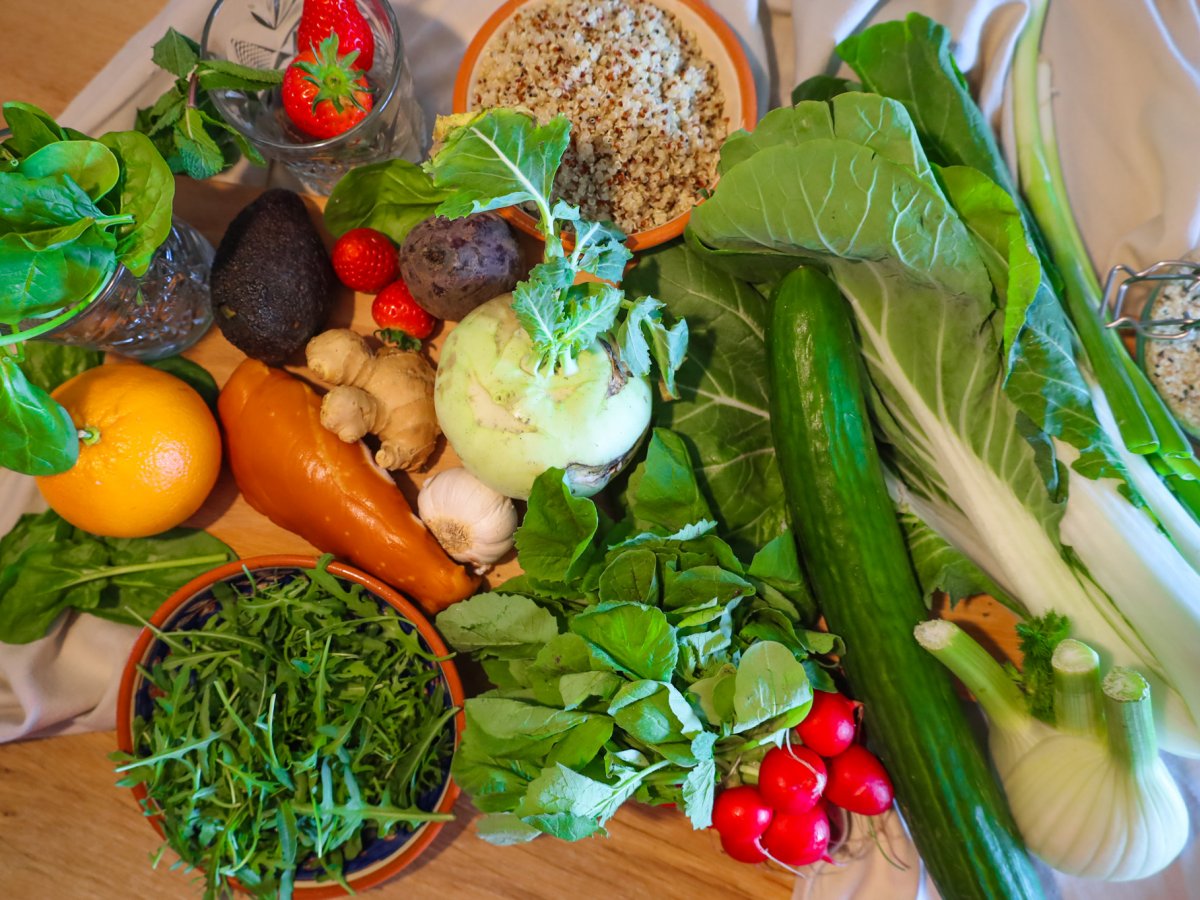
Biotin (vitamin B7) strengthens the keratin infrastructure of the nail plate and prevents brittle splitting. This water-soluble B-vitamin acts as an essential cofactor for carboxylase enzymes that synthesize fatty acids and metabolize amino acids into structural proteins. Clinical evaluations demonstrate that daily biotin supplementation increases nail plate thickness by up to 25% in individuals with brittle nail syndrome.
The human body requires approximately 30 micrograms (mcg) of biotin daily to maintain optimal keratin formation. You can readily satisfy this requirement through a balanced intake of nutrient-dense whole foods without synthetic isolates.
Other B Vitamins
B-complex vitamins support cellular metabolism and energy production within the active nail matrix. Vitamin B12 (cobalamin) regulates red blood cell formation and prevents dark pigmentation or longitudinal nail ridges, while folate (vitamin B9) facilitates rapid cell division during plate creation. Identifying common peeling nails causes also highlights riboflavin (vitamin B2), which supports periungual moisture retention and tissue elasticity.
The B-vitamin family operates synergistically, meaning whole-food sources containing the entire complex deliver superior metabolic bioavailability compared to single-nutrient supplements.
Iron
Investigating chronic nail ridges causes frequently reveals latent iron deficiency or depleted ferritin reserves. Iron forms hemoglobin, the protein that carries oxygen to the digital matrix to sustain steady plate growth. Severe iron deficiency causes koilonychia (spoon-shaped concave nails), vertical ridges, and severe plate fragility.
Adult women require 18 milligrams (mg) of iron daily, while adult men require 8 mg. Pairing non-heme plant iron with vitamin C significantly elevates intestinal absorption rates.
Protein
Nail plates consist predominantly of keratin, a fibrous structural protein packed with cysteine residues. Insufficient dietary protein intake results in sluggish growth, thin dorsal layers, and transverse white lines (Muehrcke’s lines) across the plate surface.
Your body requires complete dietary proteins containing all 9 essential amino acids to synthesize keratin continuously. Combining complementary plant proteins yields the same structural amino acid profile as animal-derived sources.
Vitamin C
Vitamin C stimulates collagen production to anchor the nail bed and reinforce periungual skin tissue. As a potent antioxidant, ascorbic acid protects the germinal matrix against oxidative damage caused by free radicals.
A daily intake of 75 to 90 milligrams (mg) of vitamin C ensures robust dermal connective tissue while enhancing iron absorption across the gastrointestinal tract.
Zinc
Zinc regulates RNA and DNA polymerases responsible for cell division and protein synthesis in the nail matrix. Zinc deficiency causes impaired keratinization, manifesting as transverse leukonychia—commonly identified as white spots on nails—along with delayed cuticle wound healing.
Adults require 8 to 11 milligrams (mg) of zinc daily. Maintaining dietary zinc balance protects against copper absorption interference.
11 Best Foods to Eat for Stronger Fingertips
1. Eggs
Eggs supply complete protein, sulfur-containing amino acids, iron, and bioavailable biotin. One large cooked egg provides approximately 10 micrograms (mcg) of biotin, satisfying one-third of the recommended adult daily requirement.
The sulfur in egg yolks and whites supports disulfide bonding in keratin molecules, creating a durable structural matrix that resists splitting and daily mechanical wear.
2. Salmon
Salmon delivers anti-inflammatory omega-3 fatty acids, high-quality protein, and vitamin D to lubricate the nail plate and nail bed. A 100-gram (3.5-ounce) portion provides roughly 2.3 grams of essential omega-3 fatty acids.
These healthy fats prevent brittleness by maintaining natural plate moisture, while vitamin D facilitates calcium balance in surrounding skeletal structures.
3. Leafy Greens
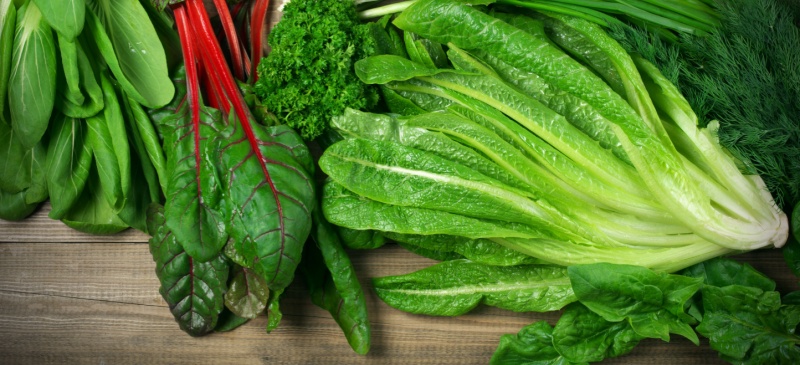
Dark leafy greens like spinach, kale, and Swiss chard provide non-heme iron, folate, and vitamin C in easily digestible forms. These greens also supply bioavailable plant silica, a trace mineral that enhances nail plate tensile flexibility.
In addition, dark greens deliver dietary nitrates that support microvascular blood flow to the digital extremities, accelerating cellular regeneration at the matrix.
4. Citrus Fruits and Berries
Citrus fruits and fresh berries supply concentrated ascorbic acid alongside bioflavonoids that protect matrix cells from environmental oxidative stress. One medium orange supplies approximately 70 milligrams (mg) of vitamin C, satisfying the majority of your daily requirement.
Berries contain anthocyanins, potent antioxidants that improve peripheral circulation to the capillary loops feeding the nail bed.
5. Meat and Poultry
Lean meat and poultry provide readily absorbable heme iron, complete proteins, and essential B vitamins. Lean cuts of chicken and turkey deliver selenium, a trace element that neutralizes free radicals in actively growing tissue.
Lean beef provides bioavailable zinc and iron, restoring systemic ferritin levels necessary for thick, ridge-free nail development.
6. Legumes and Tofu
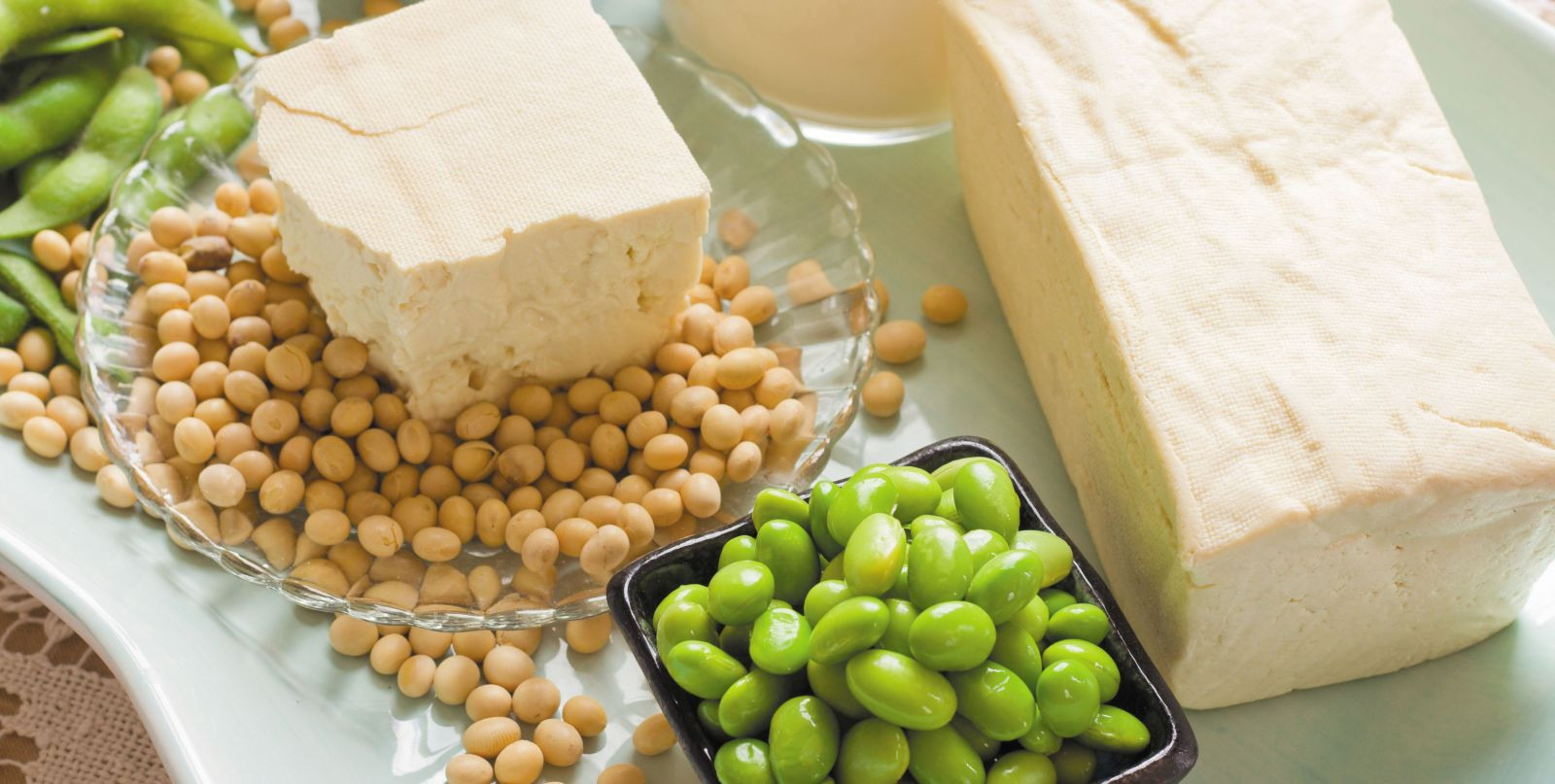
Beans, lentils, chickpeas, and organic tofu supply plant-based protein, iron, zinc, and biotin without excess saturated fats. These legumes provide sustained amino acid delivery for continuous cellular regeneration.
Pairing legumes with whole grains establishes a complete amino acid profile comparable to animal protein, supporting healthy keratinocyte production.
7. Pumpkin Seeds
Pumpkin seeds serve as a concentrated source of zinc, magnesium, and essential polyunsaturated fatty acids. A 30-gram (1-ounce) serving supplies 2.2 milligrams (mg) of zinc, meeting 20% of the recommended daily intake.
The magnesium in pumpkin seeds regulates cellular protein synthesis, preventing horizontal plate ridges and free-edge breakage.
8. Yogurt
Plain Greek yogurt provides complete dairy protein, bioavailable calcium, and live probiotic cultures. The calcium and phosphorus content reinforces the nail bed, while probiotics optimize gut nutrient absorption.
Greek yogurt contains nearly double the protein concentration of regular yogurt varieties, delivering amino acid building blocks directly to regenerating cells.
9. Orange and Yellow Vegetables
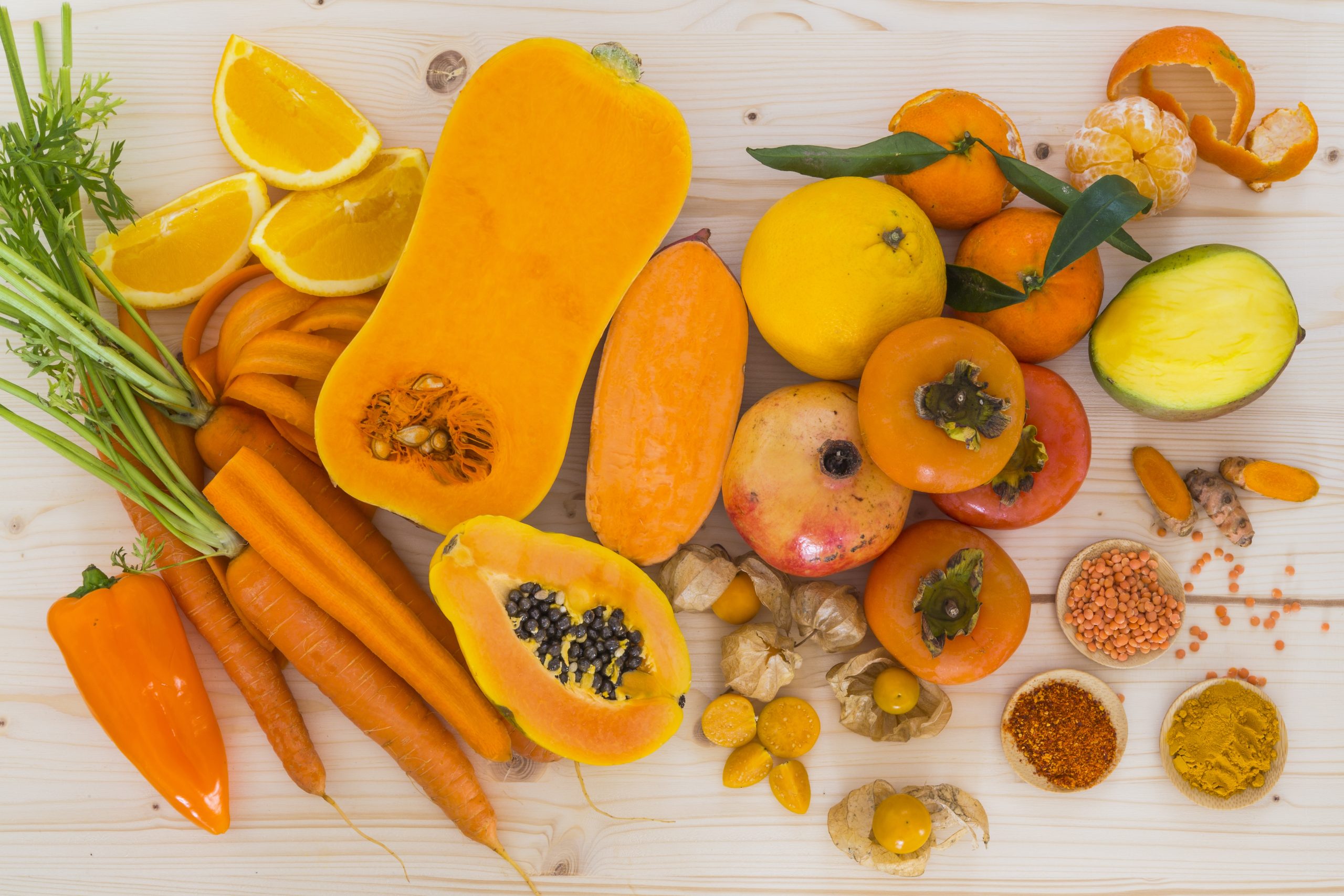
Carrots, sweet potatoes, and butternut squash deliver high concentrations of beta-carotene, which converts to active vitamin A in the body. Vitamin A regulates cellular proliferation and maintains healthy mucosal tissue around the cuticles.
Carotenoids act as endogenous photoprotectants, shielding periungual skin from free-radical cellular damage.
10. Water
Hydration preserves nail plate flexibility and prevents moisture-loss fractures. Dehydrated nail plates lose elasticity, leading to distal peeling, cracking, and chipping. Aim to drink 2.0 to 2.5 liters (68 to 85 fluid ounces) of water daily.
Adequate hydration supports circulatory nutrient delivery to the germinal matrix and maintains balanced moisture levels within the dorsal plate layers.
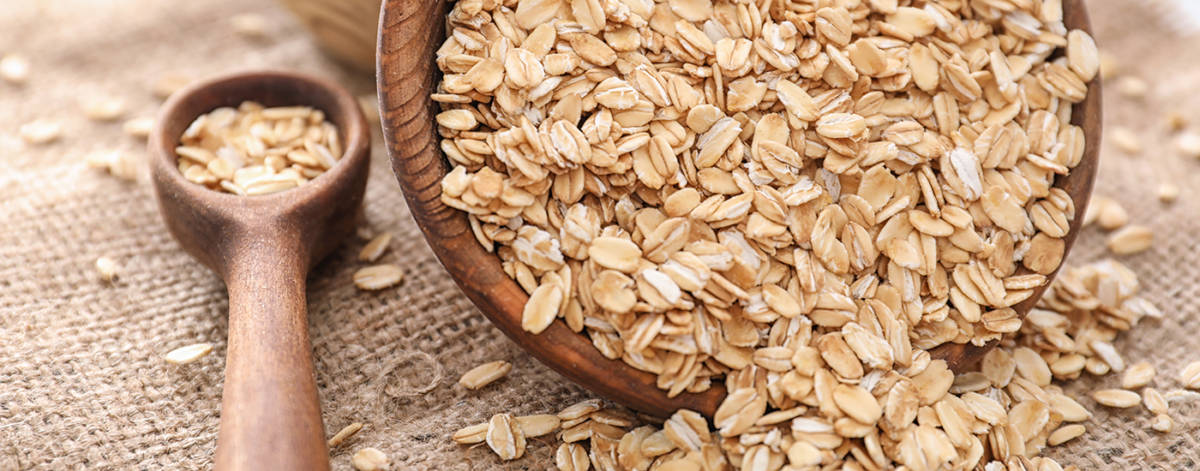
11. Oats
Whole oats supply bioavailable silicon, manganese, and energy-dense B-complex vitamins that stabilize nail architecture. Silicon fortifies the intermediate layer of the nail plate, increasing overall resistance to bending.
The low-glycemic complex carbohydrates in rolled or steel-cut oats provide sustained cellular energy during metabolic keratinization.
Can Diet Alone Fix Unhealthy Fingertips?
Nutritional intervention provides the biological fuel for nail growth, but diet alone cannot counteract chronic external trauma, chemical exposure, or systemic health disorders. Hormonal imbalances, thyroid dysfunctions, prescription medications, and harsh salon practices directly impair nail plate integrity regardless of diet quality.
Fingernails grow at an average rate of 3.47 millimeters (0.14 inches) per month. Consequently, nutritional improvements require 3 to 6 months of consistent adherence before newly reinforced keratin reaches the free edge.
Severe abnormalities—such as deep transverse depressions (Beau’s lines), chronic plate separation (onycholysis), or painful discoloration—require a formal clinical evaluation from a board-certified dermatologist.
Frequently Asked Questions
How long does it take to see improvements from diet?
Visible nail improvements from dietary adjustments require 3 to 6 months. Because fingernails grow at an average rate of 3.47 millimeters (0.14 inches) per month, newly synthesized keratin needs several months to emerge from the matrix and replace damaged distal plate tissue.
What is the most important vitamin for strength?
Biotin (vitamin B7) is the most critical vitamin for nail plate thickness and keratin infrastructure. Clinical research confirms that biotin supplementation strengthens the lipid and protein matrix, reducing splitting in individuals diagnosed with brittle nail syndrome.
Can I get all necessary nutrients through food alone?
Yes, a balanced whole-food diet provides all necessary micronutrients for healthy nail development without dietary supplements. Consuming varied whole foods such as eggs, salmon, leafy greens, legumes, and nuts supplies adequate protein, iron, and zinc for healthy keratin synthesis.
Why are my nails still brittle with a good diet?
Frequent exposure to water, harsh household detergents, mechanical stress, thyroid disorders, or fungal infections can cause brittleness despite an optimal diet. If brittleness persists despite 6 months of nutritional consistency, consult a dermatologist to identify underlying medical or environmental causes.
Beyond Diet: Professional Nail Care at Home in New York with MobileNailNewyork
While internal nutrition provides the biological building blocks for keratin, professional care protects your nail plates from external damage. Nailuxe, a mobile nail service in New York City, pairs personal nutrition habits with licensed, hygienic nail care delivered straight to your door across Manhattan, Brooklyn, Queens, The Bronx, and Staten Island.
Our licensed technicians carry the portable Nailuxe Studio Case featuring hospital-grade sterilization: all metal instruments are steam-autoclaved at 121°C (250°F) for 30 minutes in sealed pouches opened in front of you, alongside single-use files, buffers, and basin liners. Our mobile manicure and mobile pedicure new york services protect natural nail health with non-toxic formulas, bringing the premier at home nails manhattan and all NYC boroughs rely on directly into your living space from 07:00 to 21:00, seven days a week.

Schedule your appointment with Nailuxe today to complement your nutritional efforts with expert at-home care:
- Brand: Nailuxe
- Operations Base: 191 Hancock St, Brooklyn, NY 11216, United States (no walk-in service)
- Phone: +1442-555-4022
- Email: [email protected]
- Website: https://mobilenailnewyork.com
- Hours: 07:00–21:00 (7 AM–9 PM), Monday to Sunday
- Service Area: Manhattan, Brooklyn, Queens, The Bronx, and Staten Island
The Bottom Line
Achieving strong, resilient fingernails requires continuous attention to both internal nutrition and gentle external maintenance. Incorporating foods rich in protein, biotin, iron, zinc, and antioxidant vitamins provides the molecular building blocks your matrix needs to construct resilient keratin structures.
Because fingernails grow approximately 3.47 millimeters (0.14 inches) per month, grant your body 3 to 6 months of consistent dietary habits to reveal visible improvements. Pair a nutrient-dense diet with licensed, non-damaging nail care to sustain healthy, vibrant fingertips over the long term.
