

Nail biting (onychophagia) affects 20–30% of adults worldwide, leading to damaged keratin plates and periungual skin infections. You can stop biting your nails permanently through stimulus control, behavioral replacement strategies, and consistent professional hand care. This clinical guide outlines evidence-based protocols from dermatologists and behavioral psychologists to restore nail plate health and eliminate oral fixation triggers.
Dermatologists’ Tips to Stop Biting Your Nails
Dermatologists recommend a structured approach that combines physical barriers, trigger awareness, and routine nail maintenance to interrupt the biting cycle. American Academy of Dermatology guidelines emphasize that consistent barrier application and behavioral modification yield sustainable cessation.
Keep Your Fingertips Trimmed Short
Trimming your nails short removes the free edge of the keratin plate, eliminating the physical target for biting. Maintain nail length under 2 mm (0.08 in) past the hyponychium to minimize snagging, chipping, and biting temptations.
Shape the borders weekly using a fine glass file to produce smooth edges that resist peeling. Smoothing rough margins prevents the subconscious urge to correct uneven edges with your teeth.
Apply a Bitter-Tasting Polish
Applying a bitter-tasting nail polish creates an immediate aversive taste response whenever your fingers touch your lips. These deterrent lacquers contain denatonium benzoate, a non-toxic compound recognized as the most bitter substance known.
Apply the lacquer evenly over clean, dry nails every 2–3 days to sustain a continuous taste deterrent. Allow 10–15 minutes for the coat to dry completely before touching objects or food.
Get Regular Manicures with MobileNailNewyork’s At-Home Service in New York
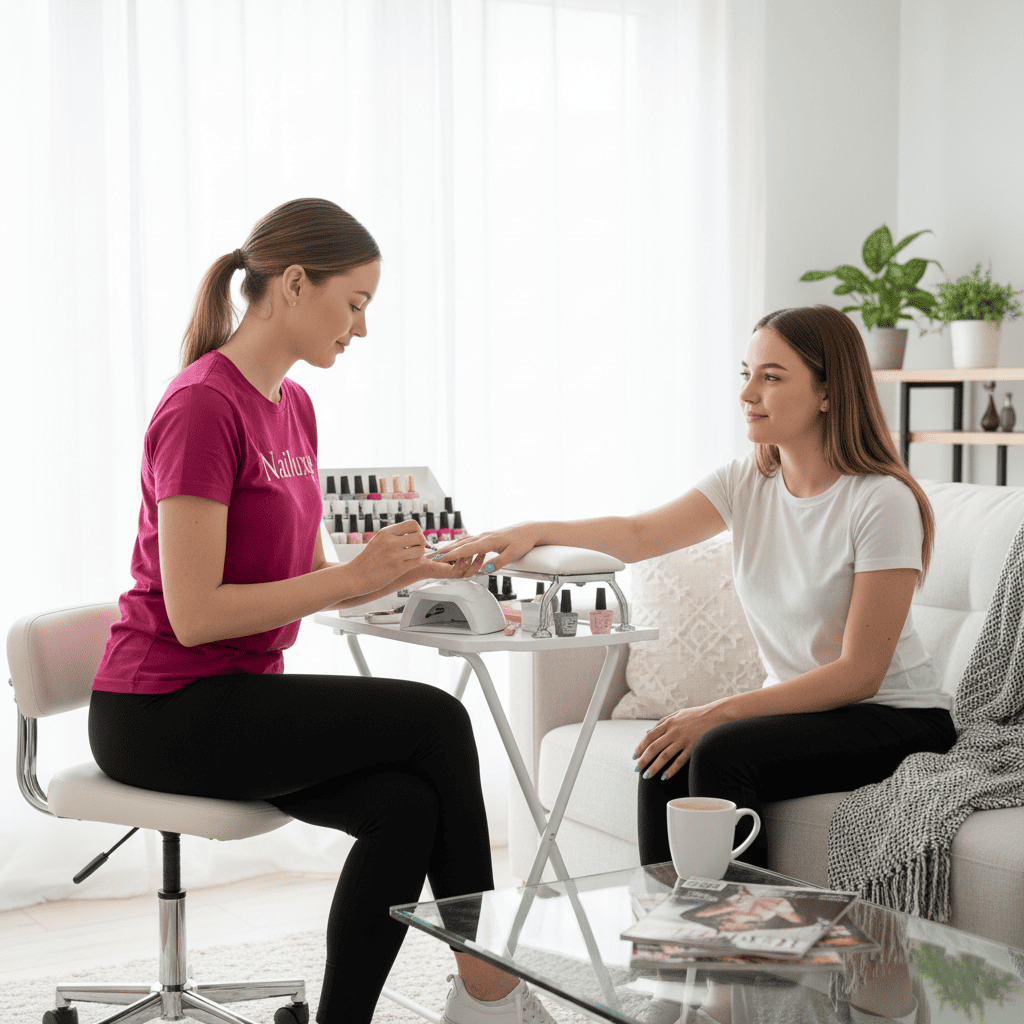
Professional manicures keep nail margins smooth, reducing the tactile triggers that tempt you to bite uneven edges. Nailuxe, a mobile nail service in New York City, delivers licensed nail technicians directly to your home in Manhattan, Brooklyn, Queens, The Bronx, and Staten Island. Every technician holds a New York State Nail Specialty License and uses metal tools steam-autoclaved at 121°C (250°F) for 30 minutes in sealed pouches opened in front of you. Scheduling regular at home nails brooklyn visits protects your recovering nail beds without the friction of salon travel.
Identify Your Biting Triggers
Identifying specific environmental and emotional triggers allows you to anticipate biting urges before the physical action begins. Common triggers include psychological stress, boredom, concentration during demanding work, and emotional frustration.
Maintain a digital log for 7 consecutive days to record the timestamp, physical location, activity, and emotional state of each episode. Analyzing these patterns reveals high-risk situations so you can deploy targeted countermeasures in advance.
Keep Your Hands and Mouth Busy
Keeping your hands and mouth occupied with alternative sensory stimuli physically prevents hand-to-mouth contact. Substitute oral biting habits with sugar-free chewing gum, mints, or sipping water through a straw.
Divert manual restlessness by squeezing stress balls, holding worry stones, or manipulating textured sensory fidgets. Practice these replacement actions during calm periods so they become automatic responses during stressful moments.
Understanding Why You Engage in This Habit
Understanding the underlying psychological drivers of onychophagia helps you select targeted behavioral interventions. Nail biting functions as a body-focused repetitive behavior (BFRB) that serves distinct emotional and sensory regulation roles.
Common Reasons People Bite Their Nails
People bite their nails primarily for stress relief, boredom alleviation, perfectionistic grooming, and concentration enhancement. Repetitive biting activates sensory feedback mechanisms that temporarily reduce psychological tension and nervous energy.
Understimulation during passive tasks, such as reading or watching television, prompts individuals to seek tactile manual input. Perfectionism also compels biters to compulsively smooth minor cuticle irregularities, hangnails, or rough nail edges with their teeth.
Signs and Symptoms of Chronic Nail Biting (Onychophagia)
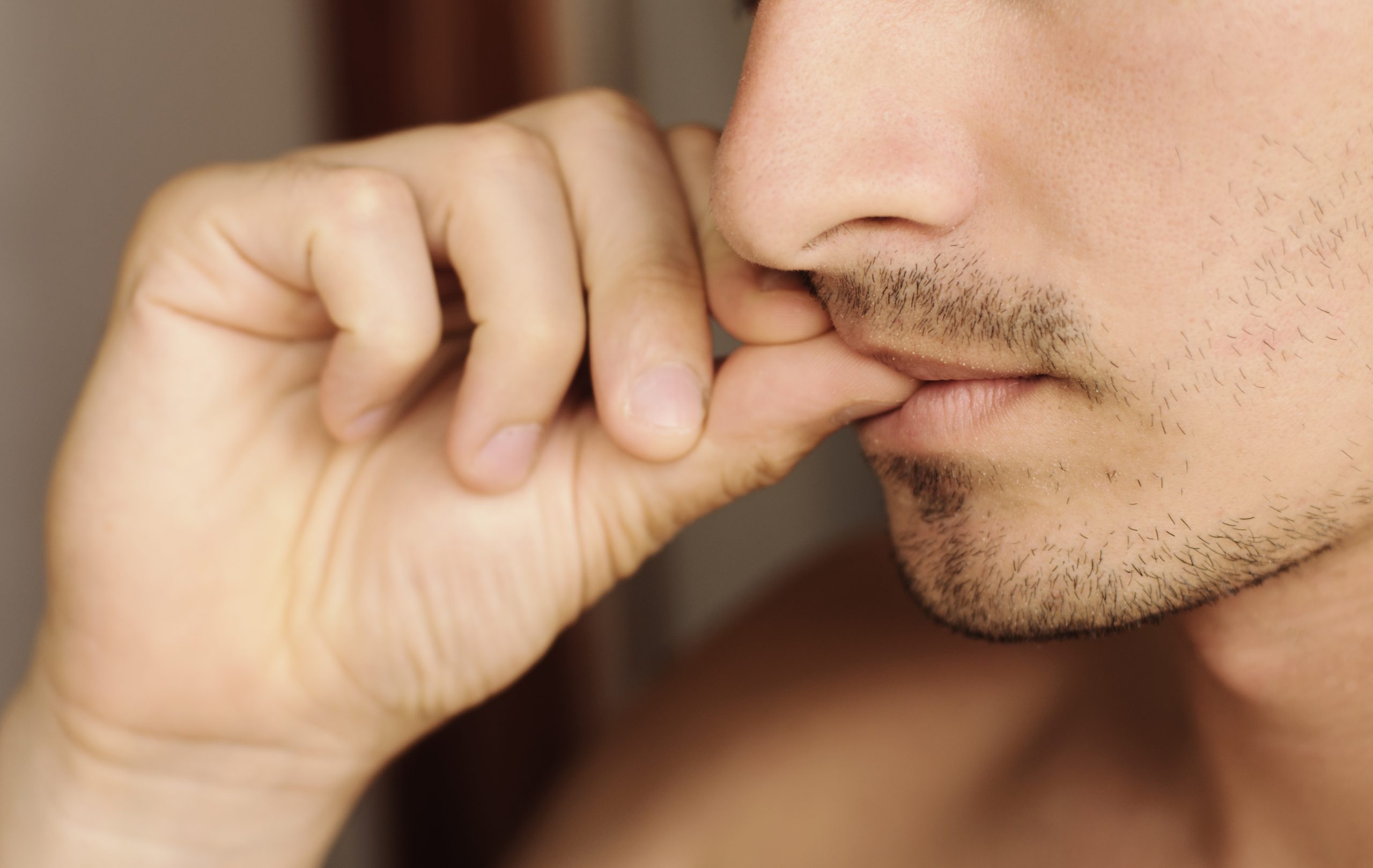
Chronic onychophagia presents with shortened nail plates, inflamed periungual tissue, dental enamel micro-fractures, and emotional distress. Persistent mechanical trauma can injure the underlying nail matrix, producing misshapen or permanently shortened beds.
Constant exposure to oral moisture and bacteria inflames the surrounding skin, significantly increasing the risk of acute paronychia. Chronic biters often experience social anxiety and embarrassment, frequently concealing their hands during personal and professional interactions.
Frequently Asked Questions About Nail Biting
Addressing common questions about onychophagia clarifies its physical complications, psychological effects, and clinical recovery methods.
What Physical Problems Can Onychophagia Cause?
Onychophagia can cause periungual bacterial infections, permanent nail matrix distortion, dental enamel erosion, and temporomandibular joint pain. Frequent oral contact introduces mouth pathogens into microscopic skin tears, often resulting in painful paronychia.
Chronic mechanical pressure damages the germinal matrix, causing abnormal plate thickness and irregular ridges; individuals with compromised natural nails can follow an educational weak nails treatment guide to support natural plate recovery. Continuous biting also abrades tooth enamel, shifts dental alignment, and risks accidental ingestion of sharp nail fragments.
What Are the Psychological Impacts of Onychophagia?
The psychological impacts of onychophagia include persistent social anxiety, diminished self-esteem, chronic embarrassment, and workplace self-consciousness. Visible damage to the fingertips prompts individuals to hide their hands during meetings, handshakes, and social gatherings.
This aesthetic distress triggers an ongoing cycle of shame that elevates stress levels, inadvertently provoking further biting episodes. In workplace settings, damaged nails can lead to unfair social assumptions regarding an individual’s composure and stress management.
How to Treat Nail Biting with Habit Reversal Training (HRT)
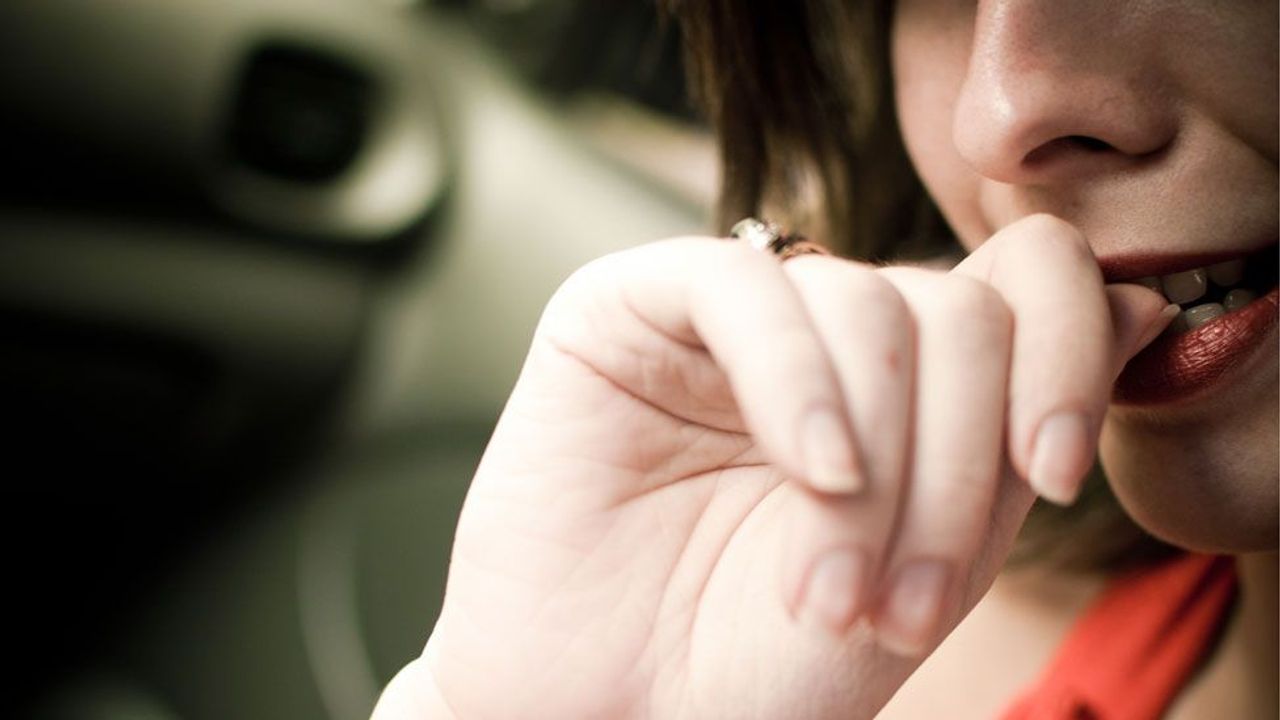
Habit Reversal Training (HRT) treats onychophagia through a clinically validated behavioral therapy protocol that replaces automatic biting with incompatible physical actions. Clinical studies demonstrate success rates exceeding 80% when individuals apply awareness training, competing response training, and habit maintenance.
Step 1: Increase Your Awareness of the Habit
Increasing habit awareness involves identifying the subtle physical postures, finger movements, and sensory precursors that precede nail biting. Conscious recognition of hand-to-face trajectories allows you to interrupt the reflex before your teeth contact the nail plate.
Log every biting episode immediately in a smartphone notebook, noting the time, setting, emotional trigger, and targeted finger. Set periodic alarms throughout the day to consciously audit your hand placement and catch unconscious movements.
Step 2: Implement a Competing Replacement Behavior
Implementing a competing replacement behavior requires engaging your muscles in a physical action that makes nail biting physically impossible. When you experience an urge, maintain an incompatible posture—such as clenching your fists, grasping an object, or sitting on your hands—for 60–90 seconds.
Satisfy oral sensory needs simultaneously by chewing sugar-free gum, using toothpicks, or drinking water through a straw. Modify your surroundings by wearing lightweight cotton gloves during evening relaxation or applying moisturizing hand lotion whenever urges strike.
Step 3: Build and Maintain Your Motivation
Building and maintaining motivation prevents behavioral relapse by celebrating measurable recovery milestones and tracking aesthetic improvements. Create a structured incentive system that rewards 7-day, 14-day, and 30-day biting-free periods with meaningful personal treats or professional care visits.
Take weekly close-up photos under consistent lighting to document objective nail plate regrowth and periungual healing. Calculate the personal value of cessation, including healthier skin, improved confidence, and freedom from dental wear.
Long-Term Prevention and Professional Care
Long-term prevention of onychophagia requires sustained nail plate hydration, proper nutritional support, and ongoing professional hand care. Establishing protective lifestyle habits ensures that newly regenerated keratin plates remain resilient against environmental stressors.
General Prevention Strategies for Healthy Hands
General prevention strategies center on maintaining smooth nail borders, hydrating the periungual skin, and supporting keratin synthesis from within. Establish a consistent at home nail care routine utilizing sharp clippers and fine glass files to eliminate ragged edges.
Apply nourishing oils daily and understand why use cuticle oil to keep the eponychium supple and prevent painful hangnails. Strengthen regenerating keratin by consuming balanced vitamins for nails, including 2.5 mg of biotin daily alongside adequate dietary protein, iron, and zinc.
Manage environmental stress through regular exercise, adequate sleep, and relaxation routines to eliminate primary biting catalysts. Protect your hands during chores by wearing protective gloves when handling household detergents or gardening tools.
Reward Your Progress with a Professional MobileNailNewyork Manicure
Rewarding your progress with a professional manicure reinforces habit cessation while protecting newly regenerated nail plates. Nailuxe licensed technicians specialize in caring for recovering biters across Manhattan, Brooklyn, Queens, The Bronx, and Staten Island. Operating from 07:00 to 21:00 (7 AM–9 PM) daily, technicians bring hospital-grade sanitized tools in sealed autoclave pouches directly to your living space. Gentle cuticle grooming, protective base coats, and non-toxic polishes preserve your new nail length without salon waiting rooms.
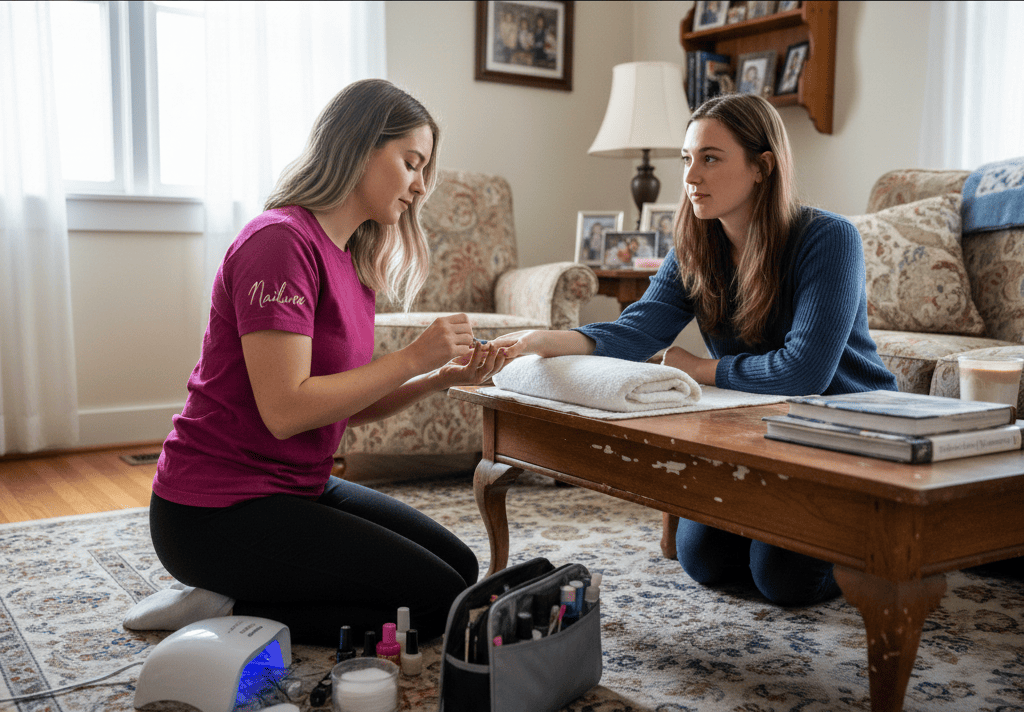
Life in New York is always bustling, and Nailuxe understands that you deserve expert hand care without sacrificing precious time. Licensed technicians bring a hygienic, private nail studio experience right to your home in Manhattan, Brooklyn, Queens, The Bronx, and Staten Island from 07:00 to 21:00 (7 AM–9 PM), seven days a week.
Book an appointment with Nailuxe today to maintain your healthy, beautiful nails.
Operations Base: 191 Hancock St, Brooklyn, NY 11216, United States (no walk-in service)
Hotline: +1442-555-4022
Email: [email protected]
Website: https://mobilenailnewyork.com
