

Post-vacation nail recovery requires systematic hydration and gentle barrier repair to reverse damage caused by sun, salt water, and chlorine. Prolonged exposure to environmental stressors depletes natural lipid moisture, leaving keratin layers brittle and cuticles prone to lifting. You can restore compromised nails at home in New York City with targeted topical treatments, protective daily habits, and professional mobile care.
Summer: A High-Risk Season For Manicures
Summer vacations expose natural nails and cosmetic enhancements to extreme temperatures, ultraviolet radiation, and chemical dehydrators. Ambient heat reaching 30–35°C (86–95°F), ocean water containing approximately 35 grams of salt per liter (1.2 ounces per quart), and chlorinated pool water with chemical concentrations between 1–3 ppm rapidly strip moisture from the nail plate.
Keratin structures weaken when moisture content drops below optimal physiological levels, causing brittle nails, ridged surfaces, and separated cuticles. Micro-abrasive beach sand creates microscopic scratches across topcoats that weaken polish adhesion. Constant water immersion softens keratin bonds, accelerating chipping, peeling, and edge lifting.
Ultraviolet radiation penetrates clear topcoats and breaks chemical bonds within both natural nail plates and applied gel enhancements. This photodegradation fades gel pigments and dulls high-gloss finishes long before physical chips appear. Understanding proper summer nail care prevents cumulative matrix damage throughout the season.
An Essential Post-Vacation Nail Care Routine in New York
A post-vacation nail recovery routine systematically rebuilds depleted keratin layers through gentle removal, gentle exfoliation, and deep lipid replenishment. Begin with surface residue removal before introducing active humectants and strengthening serums.
Gently Remove Old Polish
Remove old polish using acetone-free removers enriched with nourishing ingredients such as vitamin E, aloe vera, and panthenol. Saturate a cotton pad, press it firmly against the nail plate for 30 seconds to dissolve pigments, and slide it gently toward the free edge without abrasive scrubbing.
Apply cuticle oil around periungual skin folds to soften lifting gel remnants before removal. Gently ease loosened edges away using a sterile wooden orange stick, and never peel or pry adhered gel polish. Peeling strips dorsal nail plate layers, causing structural thinning that requires 3 to 6 months of regrowth to repair completely.
The Magic of Exfoliation for Hands and Cuticles
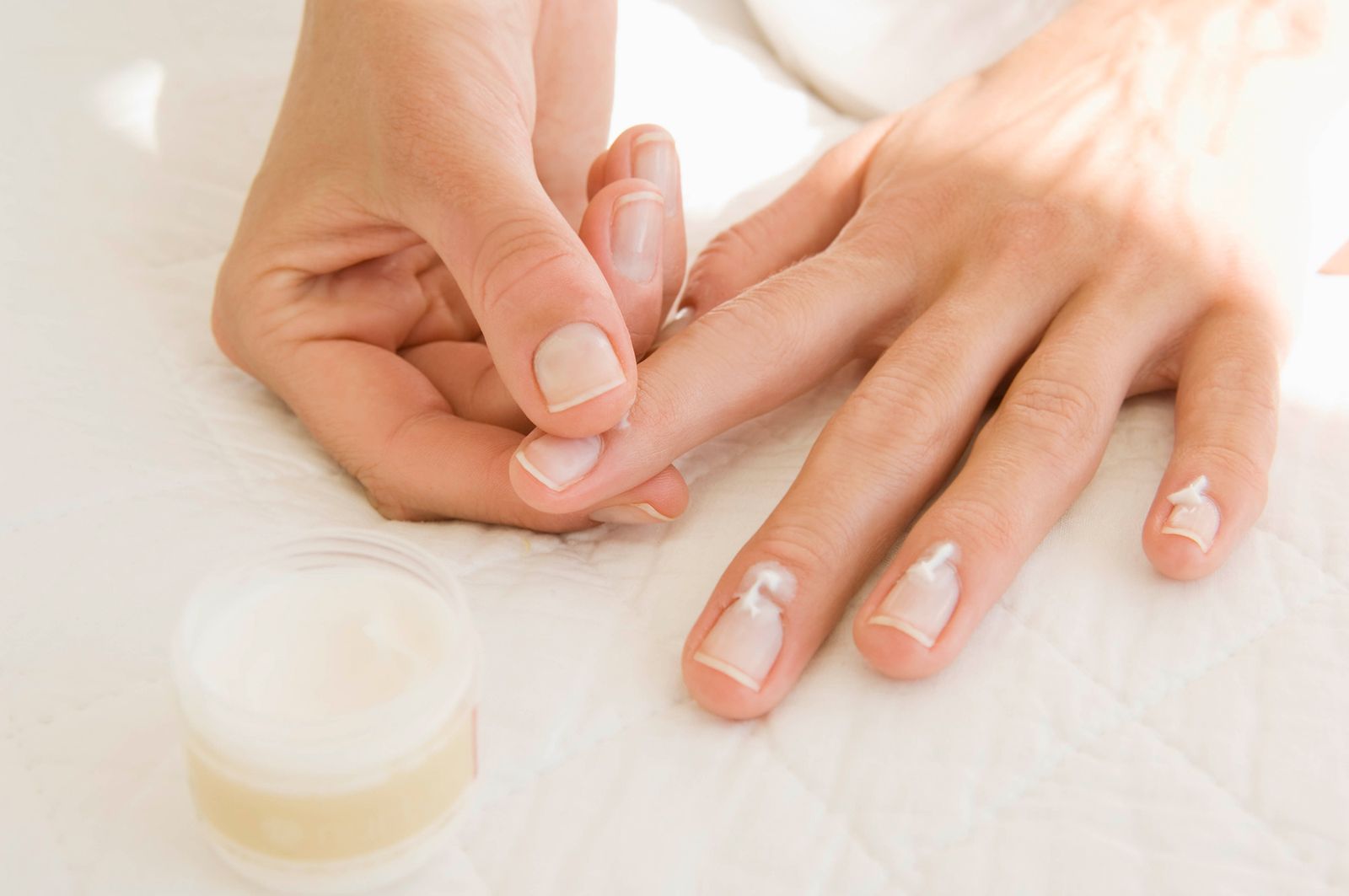
Exfoliating hands and cuticles removes accumulated dead stratum corneum cells and stimulates microcirculation around the nail matrix. Combine 30 ml (2 tablespoons) of olive oil with 15 ml (1 tablespoon) of granulated sugar to create a gentle, natural exfoliating scrub.
Massage the scrub over damp hands for 2 to 3 minutes, paying focused attention to thickened knuckles and dry cuticle borders. Rinse thoroughly with lukewarm water at approximately 37°C (99°F), avoiding hot water that strips essential skin lipids.
Soften periungual skin by soaking fingertips for 5 minutes in warm water infused with several drops of the best cuticle oil. Gently ease back the eponychium using a sterile pusher or orange stick. Never cut living cuticle tissue, because the cuticle provides an essential seal against bacterial invasion and paronychia infections.
Deep Hydration with Moisturizing Treatments
Deep hydration treatments restore moisture equilibrium to parched skin, proximal nail folds, and underlying nail beds. Apply barrier-restoring hand creams containing ceramides, hyaluronic acid, and shea butter immediately after hand washing while skin remains slightly damp.
Practice overnight occlusion therapy to maximize moisture retention. Apply a generous layer of lipid-rich hand balm over hands and nails, then wear breathable cotton gloves to sleep. This occlusive barrier enhances active ingredient penetration and restores suppleness to dehydrated nail plates.
Apply warm hydrating towel compresses over moisturized hands for 10 to 15 minutes to increase peripheral blood flow. This heat therapy accelerates the absorption of essential fatty acids into brittle keratin layers without harsh chemical additives.
Nail Serums for an Extra Boost
Nail serums deliver concentrated peptides, keratin proteins, and biotin directly into porous nail plates and matrix cells. Apply a dedicated nail serum twice daily to clean, bare nails to improve structural density and flexibility.
Fortifying ingredients such as calcium pantothenate and vitamin E reinforce natural keratin from within the matrix. Consistent application over 2 to 3 weeks produces visible strength improvements as new plate cells emerge from beneath the proximal fold.
Copper peptide complexes stimulate collagen synthesis within surrounding nail bed tissue to reduce transverse snapping. Layer cuticle oil over dried serum to seal active micronutrients into the dorsal plate.
Sunscreen and Moisturizer: Never Forget It!
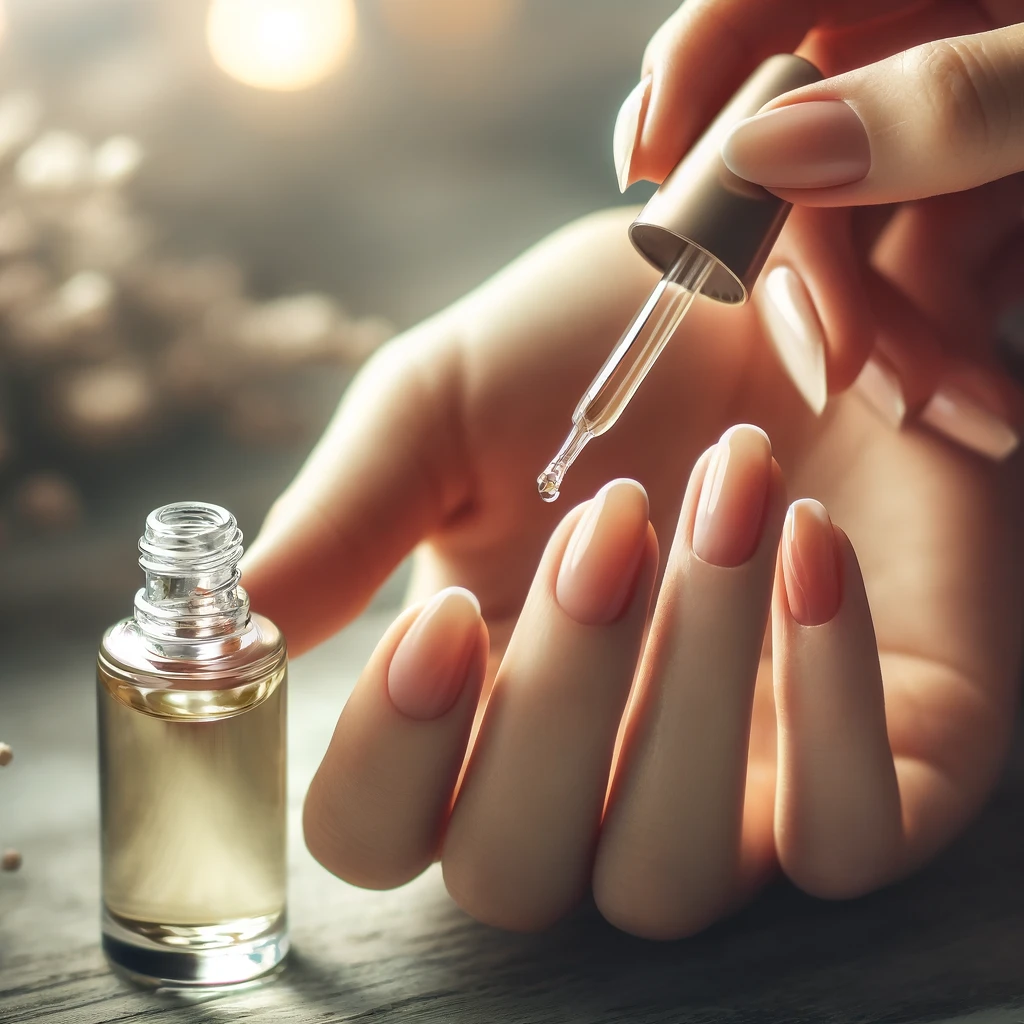
Broad-spectrum sunscreen shields hands and periungual skin from accelerated photoaging and solar discoloration in urban settings. Apply a broad-spectrum SPF 30 or higher sunscreen over the backs of your hands every morning, reapplying every 2 hours during outdoor activity.
Urban architecture and paved surfaces reflect ultraviolet rays, intensifying daily exposure throughout New York City. Select hybrid hand creams that combine broad-spectrum UV filters with hydrating humectants for efficient daily protection.
Nail plates remain susceptible to UV damage through clear finishes. Apply sheer, UV-filtering base coats to protect the underlying nail matrix from UV-induced discoloration if you spend extended hours outdoors.
MobileNailNewyork’s Top Tips to Keep Manicures Looking Great After a Trip
Professional maintenance strategies protect recovering nails from mechanical damage while prolonging polish retention. Implement these daily habits to make manicure last long after your vacation ends.
Stay Hydrated from The Inside Out
Internal hydration directly regulates the 18% water content required for natural nail plate flexibility. Drink at least 2.7 liters (91 ounces) of fluid daily to rehydrate systemic tissues depleted by airline travel and warm climates.
Consume nutrient-dense whole foods that supply building blocks for keratin synthesis. Eggs provide biotin, wild salmon supplies omega-3 fatty acids, and dark leafy greens supply bioavailable iron. Sweet potatoes deliver beta-carotene, which your body converts to vitamin A to support healthy cellular regeneration.
Supplementing with hydrolyzed marine collagen provides targeted amino acids like proline and glycine that reinforce nail plate structure. Consistent daily intake over 6 to 8 weeks visibly reduces brittleness and accelerates healthy growth.
Be Gentle with Your Nails
Gentle handling prevents micro-trauma from turning into severe nail fractures or painful plate tears. Wear protective rubber gloves during cleaning and dishwashing to shield nails from harsh surfactants and excessive water absorption.
Avoid using fingernails as utility tools to open containers, lift levers, or scrape surfaces. File nails strictly in one direction from outer corner to center using a 240-grit or finer abrasive file, avoiding back-and-forth sawing motions that cause micro-tears.
Maintain a moderate free edge of 0.3–0.6 cm (1/8–1/4 inch) beyond the fingertip during recovery. This length provides refined styling while reducing mechanical leverage, snagging hazards, and edge chipping.
Protect the Manicure from Harsh Elements
Environmental defense shields nail plates from sudden temperature fluctuations and dry urban air in New York. Ambient temperatures below 4°C (40°F) cause nail plates to contract and turn brittle, making structured winter nail care essential upon returning to the city.
Indoor heating systems frequently drop indoor relative humidity below 30%, pulling moisture out of cuticles and nails. Operate an ultrasonic humidifier in bedrooms and workspaces to maintain indoor humidity between 40% and 50%.
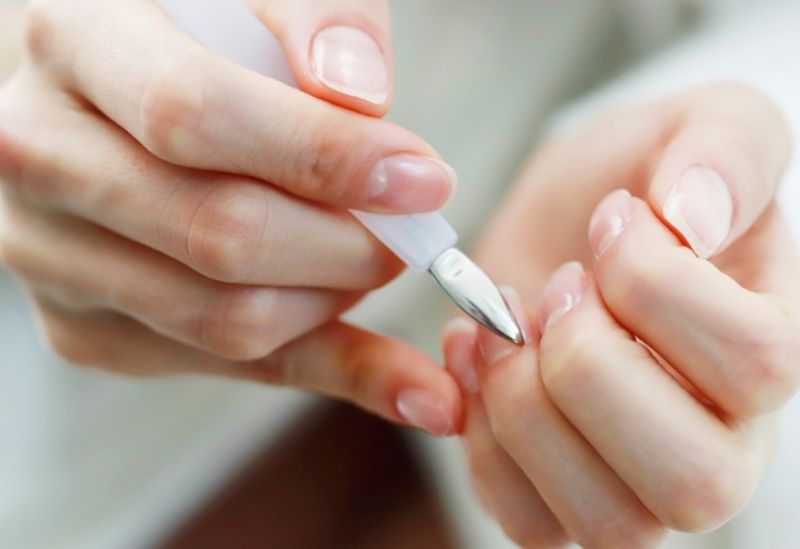
Urban wind corridors accelerate moisture evaporation from exposed hands. Smooth a drop of jojoba-based cuticle oil over each nail before heading outdoors to create a protective barrier against cold wind and moisture loss.
How to Prep Nails Before the Next Vacation
Pre-vacation nail preparation prevents travel damage and ensures flawless manicure wear throughout your journey. Schedule a professional manicure appointment 2 to 3 days before departure so polish settles completely onto clean nail plates.
Select professional soft gel or dip powder overlays for vacations lasting longer than 7 days. High-quality gel manicures deliver 2 to 3 weeks of chip-free wear, while dip powder provides 3 to 4 weeks of durable coverage. Choose neutral or sheer nude shades that conceal new cuticle growth and minor tip wear.
Pack a compact emergency care kit containing a 240-grit file, a leak-proof cuticle oil pen, and a miniature bottle of topcoat. Apply a fortifying base coat infused with keratin or calcium prior to color application if your natural nails require extra reinforcement.
What to Pack to Look After Nails on Holiday
Packing targeted travel-sized maintenance products preserves manicure integrity across varying climates without overburdening luggage. Select compact, leak-proof tools that comply with airline security standards.
Essential Sun Protection
Broad-spectrum SPF 50 sunscreen protects hand skin and nail beds from intense UV exposure during beach holidays. Choose water-resistant formulations in carry-on compliant bottles under 100 ml (3.4 ounces) that provide 80 minutes of protection during swimming.
Apply sunscreen to the backs of hands and nail beds 30 minutes before sun exposure for optimal skin absorption. Reapply immediately after towel drying to prevent chemical degradation of protective topcoats.
Pack pure aloe vera gel containing at least 90% aloe extract to soothe sun-exposed cuticles and hands. Store your aloe gel in the hotel mini-fridge for cooling relief after outdoor activities.
Hydrating Care Anytime, Anywhere
Cuticle oil pens provide precise, leak-proof hydration during travel. Select formulations containing jojoba oil, which mirrors skin sebum, and vitamin E to restore flexibility after saltwater immersion.
Keep a 50–100 ml (1.7–3.4 ounce) hand cream in your personal bag for regular reapplication. Lotions containing hyaluronic acid and ceramides absorb rapidly without leaving greasy residue on travel gear.
Solid hand balms offer travel-friendly, spill-proof hydration alternatives for flights. Low airplane cabin humidity often drops below 20%, requiring regular balm application to prevent periungual cracking.
A Complete Nail Prep Set
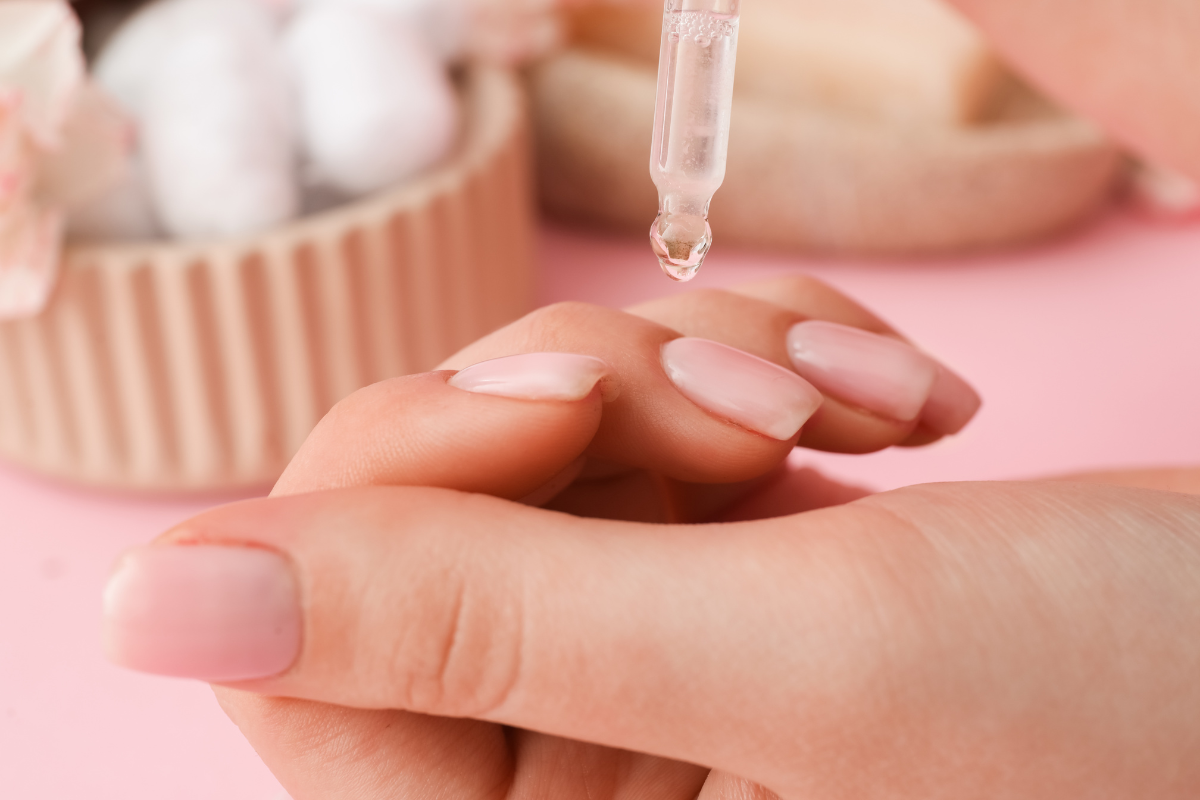
A compact nail kit resolves minor breaks and snags before they cause deeper plate tears. Include a fine glass file, a dual-ended wooden orange stick, and TSA-compliant nail clippers in a protective pouch.
Smooth jagged edges immediately with single-directional filing strokes using your glass file. Gently push back softened cuticles after warm showers, and avoid cutting live periungual tissue while away from home.
Carry a miniature bottle of professional nail glue to secure minor edge cracks until you return home for professional salon care.
Book Your At-Home Post-Vacation Nail Recovery with MobileNailNewyork in New York
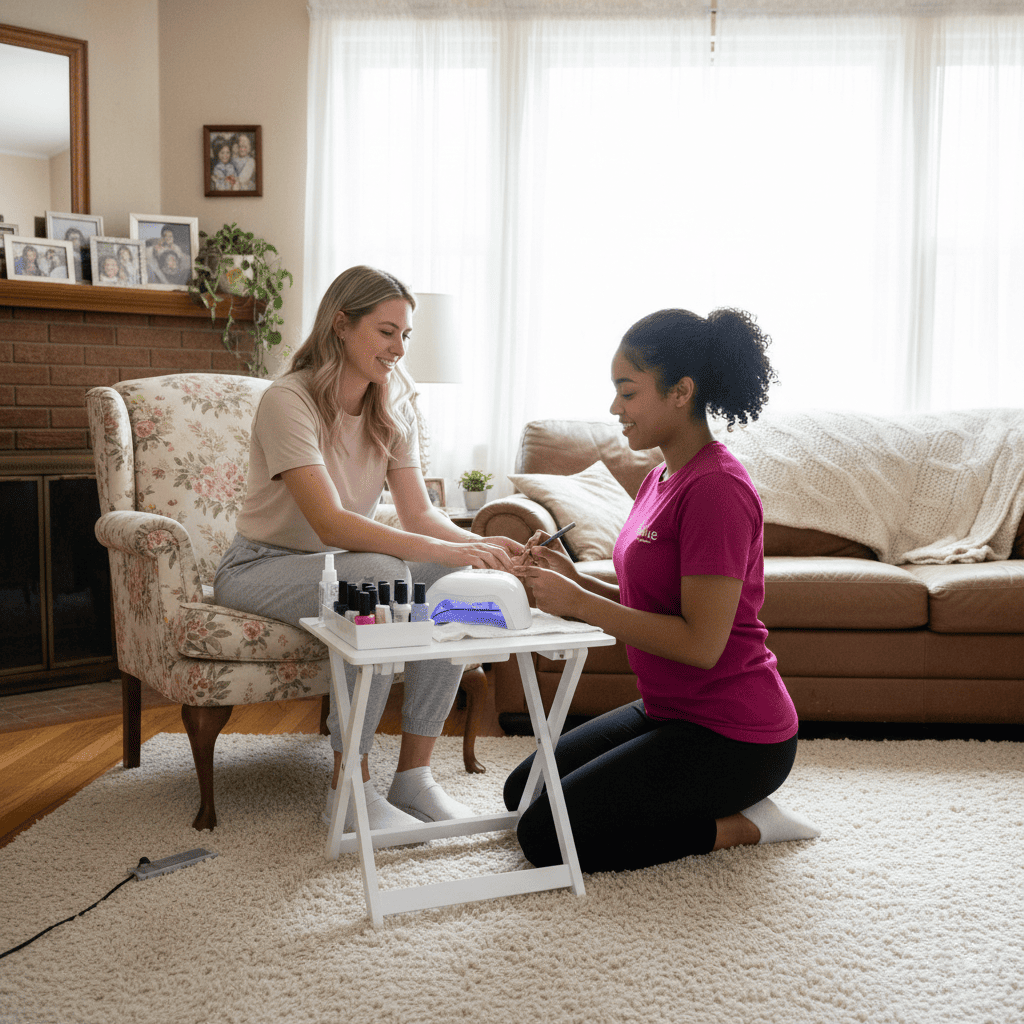
Nailuxe, a mobile nail service in New York City, brings licensed nail technicians directly to your door across Manhattan, Brooklyn, Queens, The Bronx, and Staten Island from 07:00 to 21:00, seven days a week. Whether you need restorative at home nails in Brooklyn with a $0 travel fee or gentle post-travel recovery in Manhattan, technicians arrive with steam-autoclaved tools in sealed pouches opened in front of you, single-use buffers, and clinical-grade hydrating serums. Enjoy professional manicures and gentle soak-off care in the comfort of your home, backed by the Nailuxe 7-Day Care Promise.
Book your at-home post-vacation nail recovery with Nailuxe today:
- Operations Base: 191 Hancock St, Brooklyn, NY 11216, United States (no walk-in service)
- Hotline: +1442-555-4022
- Email: [email protected]
- Website: https://mobilenailnewyork.com
Frequently Asked Questions
How long does it take for nails to recover after a vacation?
Nails typically recover within 2 to 4 weeks with consistent hydration and gentle care. Damaged free edges grow out as new keratin tissue emerges from the nail matrix at approximately 3.47 mm (0.14 inch) per month for fingernails. Applying daily cuticle oil and avoiding harsh peeling significantly accelerates visible repair.
Can I get a gel manicure immediately after my vacation?
Wait at least 7 days before getting a new gel manicure if your natural nail plates show signs of severe dehydration, peeling, or thinning. This rest period allows natural moisture balance to stabilize under targeted nail serums and oils. If your natural nails remain healthy and strong, a licensed technician can apply a nourishing base coat and new gel set immediately.
What is the most important product for post-vacation nail care?
High-quality cuticle oil is the most critical product for post-vacation nail recovery. Jojoba and vitamin E oils penetrate deep into the periungual tissue and nail plate, replenishing lipids stripped by UV rays, saltwater, and chlorine. Daily application prevents hangnails, stops edge peeling, and restores natural flexibility.
