

Perfect your manicure game with expert techniques and premium products that deliver salon-quality results in the comfort of your New York home.
A chip-resistant manicure preserves nail plate health and saves valuable personal time. Achieving an enduring finish requires strong chemical bonding between the natural keratin plate and specialized base polymers. This practical guide details professional application protocols, durable formulas, and proven techniques for a long lasting manicure that withstands a demanding New York lifestyle.
The Best Chip-Free Nail Polishes of 2025
Top chip-free nail polishes deliver extended wear by balancing adhesive film-forming resins with structural flexibility. Advanced traditional lacquers provide 5–7 days of flawless wear on fingernails, while professional gel systems wear cleanly for 2–3 weeks.
OPI Infinite Shine utilizes a specialized three-step oligomer system that cures under ambient light, creating a durable high-gloss finish that resists chipping for up to 11 days. The formula removes cleanly with standard acetone remover without scraping the nail plate. CND Vinylux incorporates photo-initiators that strengthen cross-linked bonds when exposed to natural light, providing up to 7 days of chip-free wear without requiring a separate base coat.
For gel enthusiasts, Manucurist Green Flash delivers LED-cured durability for up to 10 days and dissolves in gentle acetone remover within 60 seconds without mechanical drilling. Dazzle Dry offers an innovative nitrocellulose-free system that air-dries completely in 5 minutes and lasts 7–14 days on natural nails. Essie Gel Couture bridges traditional lacquer with extended-wear gel performance, utilizing a swirl-stem brush to apply flexible polymers that resist edge chipping for up to 14 days.
Why Does My Nail Polish Chip So Quickly?
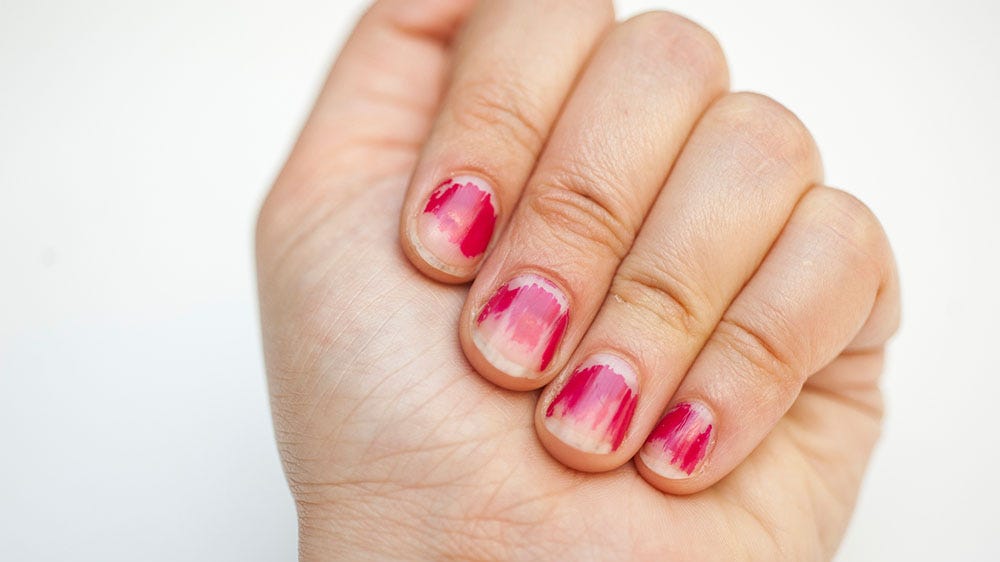
Nail polish chips primarily because natural surface oils, trapped moisture, or mechanical flexing disrupt the molecular bond between polish resins and nail plate keratin. Understanding these adhesion barriers helps you prevent premature lacquer lifting.
Residual sebum and hand lotion prevent base coats from anchoring into microscopic nail plate ridges. Skipping nail dehydration leaves a microscopic lipid layer that compromises bond strength within 24 to 48 hours. Applying thick polish layers also creates internal shear stress because the surface dries before underlying solvents evaporate, leading to premature cracking.
Natural fingernails absorb up to 30% of their weight in water during baths or dishwashing. Water causes keratin cells to expand; as nails dry and contract, rigid polish films separate from the shifting nail plate. New York’s seasonal humidity shifts and frequent handwashing accelerate this expansion-contraction stress.
How to Achieve a Flawless Chip-Free Manicure at Home in New York
Achieving a salon-quality, chip-free manicure at home requires five systematic preparation and application steps executed in precise order.
Step 1: Proper Nail Preparation is Key
Proper nail preparation establishes a clean, dry, and textured keratin foundation essential for maximum polish adhesion. Begin by cleansing each nail with acetone-based remover to eliminate surface oils and old pigments, even if your nails appear bare.
Trim nails to your preferred length and shape the free edge using a 180/240 grit abrasive file. File exclusively in one direction from the outside edge toward the center. Sawing back and forth creates microscopic fissures that cause tip splitting and polish peeling.
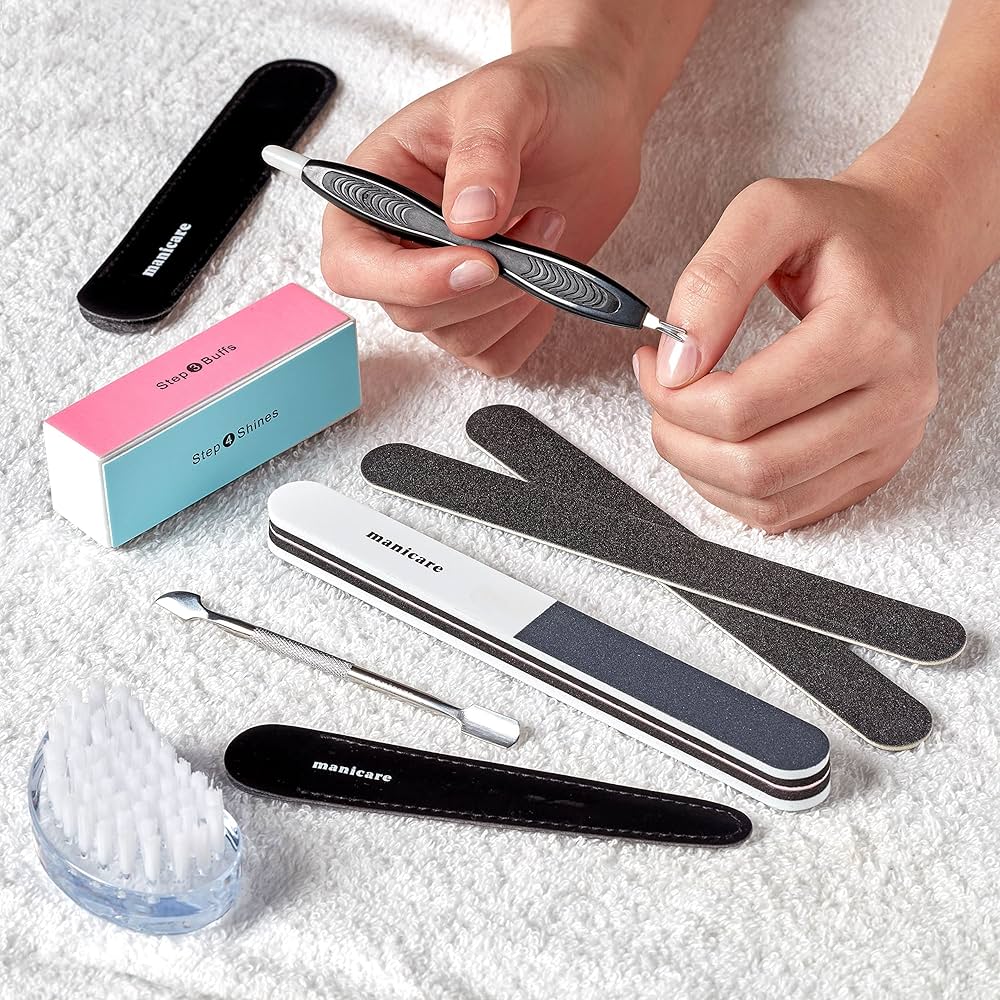
Soften the cuticle area with warm water or cuticle remover, then gently push back non-living tissue from the nail plate using an orange wood stick. Never cut living cuticle tissue yourself to avoid infection risks. Finish preparation by dehydrating each nail plate with 99% isopropyl alcohol or a professional dehydrator, allowing the surface to air-dry completely.
Step 2: The Importance of a Quality Base Coat
A quality base coat functions as an essential double-sided bonding agent that anchors lacquer to natural keratin while shielding the plate from pigment staining. Specialized adhesive polymers flex alongside natural nail movement to absorb daily mechanical shocks.
Apply one thin, uniform layer across the entire nail plate, keeping the product 1 mm (0.04 in) away from the cuticle line. Allow the base coat to dry fully to a tacky finish. For clients with ridged or thin nails, a ridge-filling or protein-infused base coat smooths surface imperfections and reinforces flexible plates.
Step 3: Apply Thin, Even Coats of Polish
Applying two to three thin coats of polish ensures complete solvent evaporation, smooth leveling, and structural durability. Thick layers trap volatile solvents underneath a dried top film, causing bubbles and rapid chipping.
Wipe excess polish from one side of the brush against the bottle neck to control paint flow. Position the brush near the cuticle base, draw it down the center to the tip, and complete coverage with two swift side strokes.
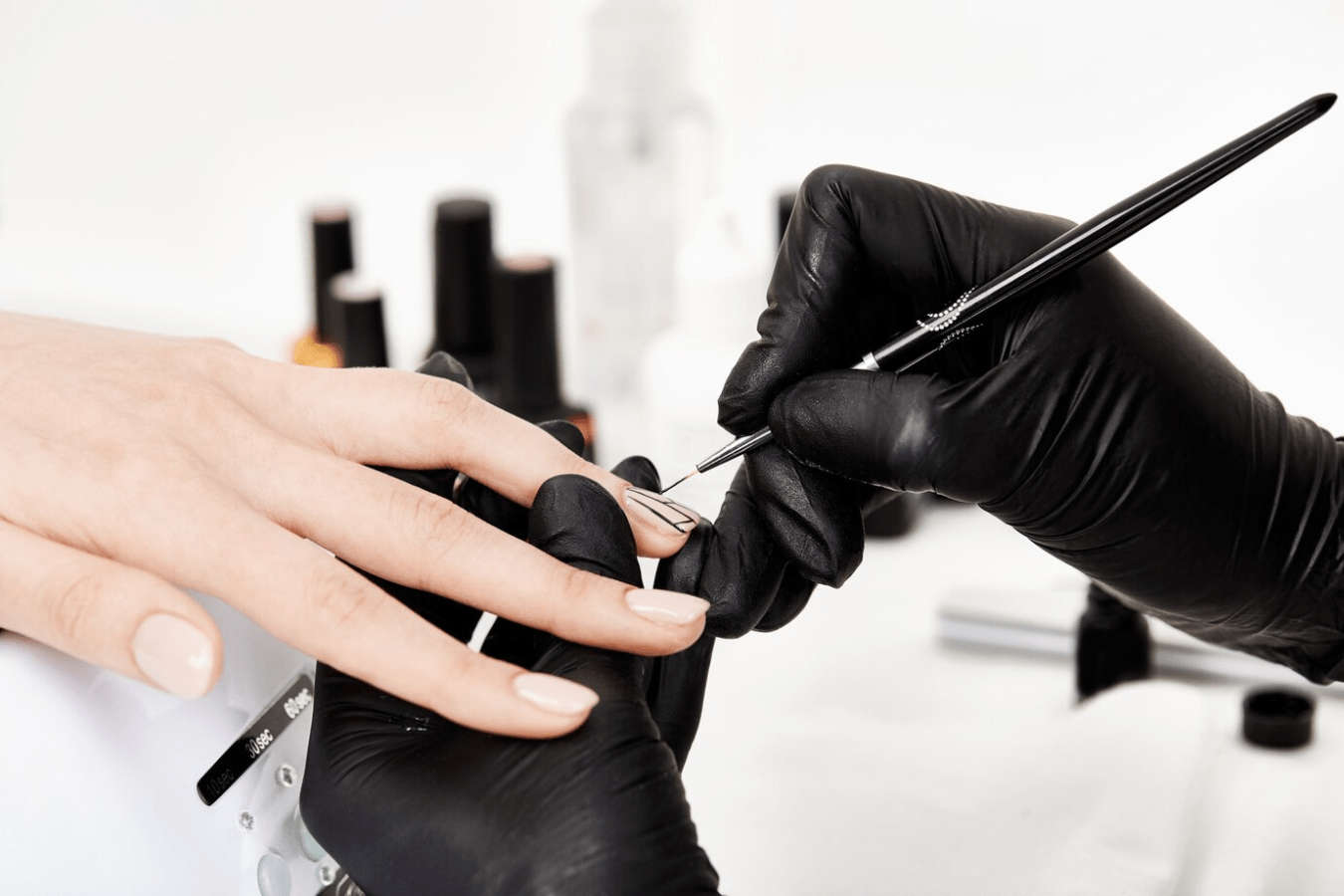
Allow each coat to dry for 2 to 3 minutes before applying the next layer. Building opacity through multiple thin coats produces a uniform, impact-resistant film that adheres tightly to the base layer.
Step 4: Sealing the Edges for Longevity
Sealing the free edge—known as capping—creates a protective mechanical seal that blocks water penetration and prevents tip wear. This technique wraps the lacquer over the exposed nail rim where everyday contact occurs.
During the base coat, second color coat, and top coat applications, run the brush horizontally along the tip of each nail. Use minimal product on the brush edge to prevent thick ridges under the nail tip. Capping shields the nail plate against keyboard friction and moisture intrusion.
Step 5: Finish with a Durable Top Coat
A durable top coat seals color pigments, shields against UV light degradation, and provides a scratch-resistant protective shell. Choosing the best top coat dictates the ultimate lifespan and gloss retention of your manicure.
Apply one even layer over the color coat, extending the film over the capped free edge. While quick-dry formulas offer immediate convenience, traditional cross-linking top coats provide superior chip resistance. Reapply a fresh top coat layer every 3 days to restore shine and seal micro-fractures.
Are Gel Polishes More Chip-Resistant Than Traditional Polish?
Gel polishes demonstrate superior chip resistance compared to traditional formulas because they cure via photo-initiated polymerization rather than ambient solvent evaporation. Exposing gel oligomers to a 48 W LED lamp creates a tightly linked polymer network that withstands blunt impact and hot water.
Gel polish wears without chipping for 2–3 weeks on fingernails and 4–6 weeks on toenails, whereas traditional lacquer lasts 5–7 days on fingernails. However, gel application requires LED curing equipment, and removal demands 10–15 minutes of acetone soaking to dissolve bonds safely without scraping.
Recent industry innovations include breathable nail polish formulas that allow water vapor and oxygen permeability to support natural nail health. Choose gel polish if you require multiple weeks of chip-free durability, or traditional lacquer if you prefer weekly color flexibility with swift, non-damaging removal.
Experience the MobileNailNewyork Difference for a Perfect Manicure in New York
Nailuxe, a mobile nail service in New York City, delivers licensed, hygienic manicure appointments directly to your home, office, or hotel. Operating from our Brooklyn base, our licensed technicians travel across Manhattan, Brooklyn, Queens, The Bronx, and Staten Island from 07:00 to 21:00, seven days a week.
Every technician holds a New York State Nail Specialty License and travels with a fully equipped Nailuxe Studio Case. Metal tools are steam-autoclaved at 121°C (250°F) for 30 minutes and unsealed from single-use pouches in front of you. Whether booking a gel manicure in Manhattan or mobile nails staten island, all services are backed by the Nailuxe 7-Day Care Promise (3 days for regular polish).
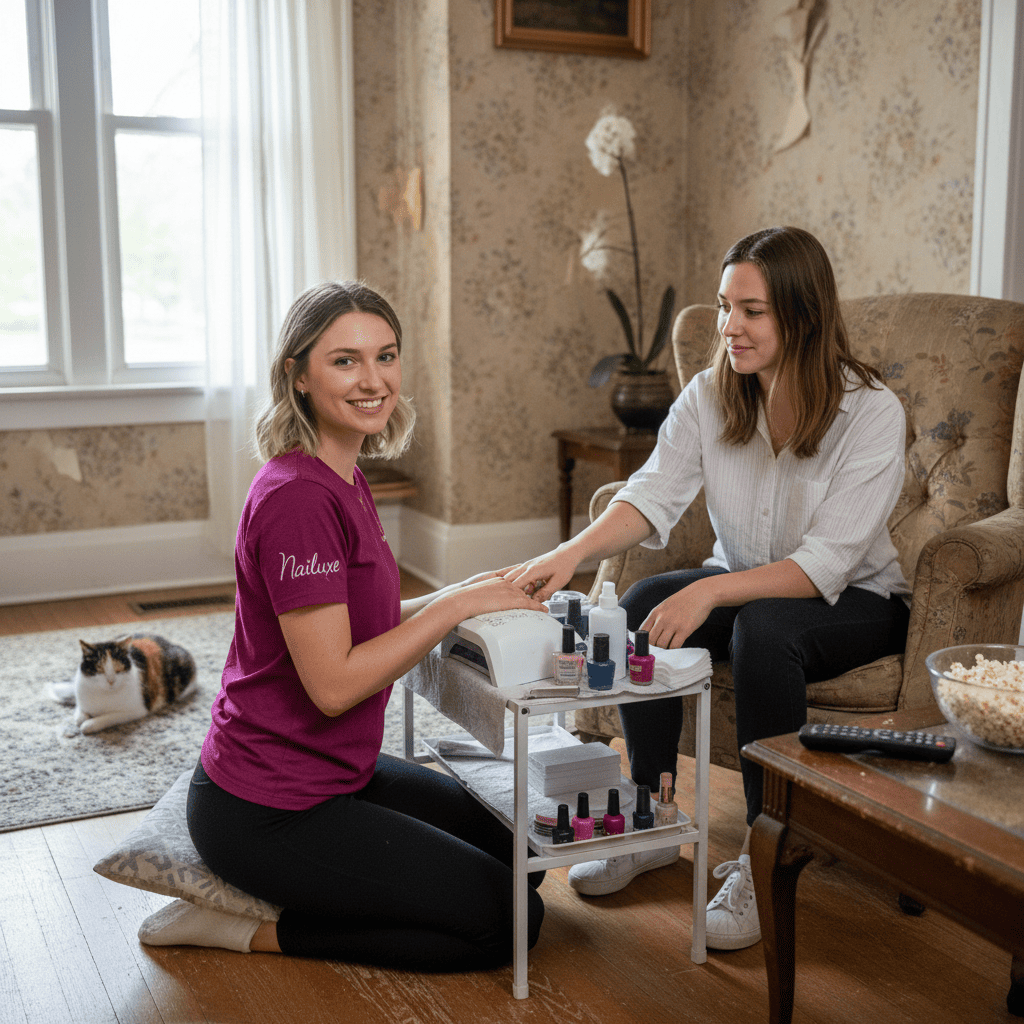
Enjoy premium, chip-resistant nail care in the comfort of your living room without salon transit or waiting rooms.
- Brand: Nailuxe
- Operations Base: 191 Hancock St, Brooklyn, NY 11216, United States (no walk-in service)
- Hotline: +1442-555-4022
- Email: [email protected]
- Website: https://mobilenailnewyork.com
- Hours: 07:00–21:00 (7 AM–9 PM), Monday to Sunday
- Service Area: Manhattan, Brooklyn, Queens, The Bronx, Staten Island
Common Questions About Long-Lasting Nail Polish
How can I make my nail polish last longer?
To make your nail polish last longer, dehydrate the nail plate with alcohol, apply thin coats, cap the free edge, and reapply top coat every 3 days. Thoroughly remove natural oils before applying base coat, as surface oil prevents chemical bonding. Allow 2 minutes of drying time between color coats, and keep hands out of warm water for 2 hours post-application to let lacquer harden completely. Applying a fresh top coat layer every 3 to 4 days prevents edge lifting and is an effective method to revive old manicure gloss.
What are the best drugstore nail polish brands that don’t chip?
The best drugstore nail polish brands that resist chipping are Essie Gel Couture, Sally Hansen Miracle Gel, and CND Vinylux. Essie Gel Couture delivers up to 14 days of chip-resistant wear using a flexible two-step system that requires no UV lamp. Sally Hansen Miracle Gel provides high-impact color and hard surface protection with ambient-light curing. CND Vinylux delivers 7 days of chip-free wear with an integrated light-curing technology that strengthens the polish film when exposed to natural daylight.
How do I remove long-lasting polish without damaging my nails?
To remove long-lasting polish safely, saturate a cotton pad with pure acetone, press it onto the nail plate for 30 to 60 seconds, and wipe gently toward the free edge. Never pick, peel, or pry chipped polish, as peeling strips dorsal keratin layers and thins the natural nail plate. For stubborn gel polishes, wrap fingertips in acetone-saturated cotton and aluminum foil for 10 to 15 minutes until the product softens completely. Apply jojoba-rich cuticle oil immediately after removal to restore moisture to dehydrated nail beds and skin.
