
Peeling off gel polish damages the natural nail plate by stripping away essential keratin along with the cured coating. While long-lasting enhancements such as dip powder nails require a dedicated soak-off process, peeling gel creates immediate onycholysis, plate thinning, and surface trauma. Understanding the physical causes of premature lifting and mastering safe nail care keeps your natural nails resilient while ensuring your manicure lasts 2–3 weeks.
Is It Damaging to Peel Off Gel Polish from Natural Nails?
Peeling off gel polish causes significant, measurable trauma to your natural nail plate. Gel polish forms a chemical cross-link bond to keratin during curing under LED or UV light. When you peel lifted polish away, you rip off 30% to 50% of the dorsal nail plate along with the polymer coating.
This mechanical trauma exposes delicate intermediate keratin layers, resulting in white chalky patches (pseudoleukonychia), extreme thinning, and painful splits. Damaged fingernails require 3 to 6 months to grow out fully, as natural fingernails grow approximately 3.47 mm (0.14 in) per month. During this regrowth period, weakened plates remain vulnerable to microbial infections and chronic breakage.
A safe removal process requires soaking fingertips in professional nail polish remover with pure acetone for 10–15 minutes (15–20 ml; 0.5–0.7 fl oz). Acetone dissolves cross-linked oligomers chemically without pulling on the nail plate. This soak-off method preserves natural nail thickness and protects structural keratin.
Why Does My Gel Nail Polish Peel Off?
Gel nail polish peels prematurely when the bond between the nail plate and the base coat fails. Identifying specific application, curing, and lifestyle triggers helps you maintain a chip-free manicure for the full 2–3 week wear cycle.
Inadequate Nail Prep
Inadequate nail preparation is the leading cause of premature gel polish peeling. Natural sebum, residual moisture, and invisible cuticle tissue on the nail plate form a physical barrier that blocks gel adhesion.
Thorough preparation requires pushing back the eponychium, removing dead pterygium tissue from the nail plate, and gently cleansing the surface with a lint-free wipe saturated in 99% isopropyl alcohol or a dedicated dehydrator. Skipping surface dehydration causes edge lifting within 3–5 days rather than the expected 14–21 days of wear.
Improper Application Technique
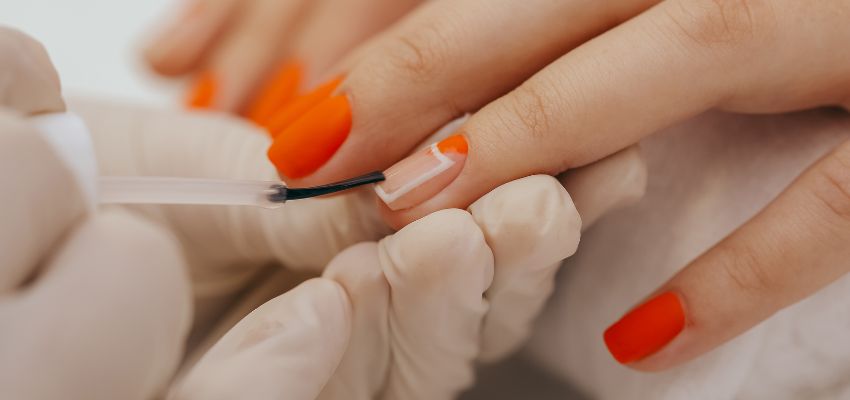
Improper application technique breaks the perimeter seal of your gel manicure. Brushing gel polish onto cuticles, sidewalls, or proximal nail folds creates an immediate lifting ledge as the natural nail grows.
Leave a 0.5 mm (0.02 in) margin between the polish and surrounding skin during application. Keeping skin clear prevents moisture and natural oils from seeping beneath the base layer and loosening the chemical bond.
Applying Gel Polish Too Thickly
Applying gel polish too thickly prevents light from penetrating and curing the lower layers. Thick coats trap soft, uncured oligomers beneath a hardened outer surface, causing internal tension that forces the product to pull away from the nail.
Apply two to three paper-thin coats instead of a single heavy layer. Thin layers ensure 100% light polymerisation, creating a flexible yet durable finish that moves naturally with your nail plate.
Not Sealing Your Nail’s Free Edge
Failing to seal the free edge leaves the distal tip exposed to immediate chipping and water infiltration. Daily friction from typing, texting, and manual tasks concentrates stress directly on an unsealed edge.
Cap the free edge with base coat, each color coat, and top coat by sweeping the brush horizontally across the tip. This protective cap seals keratin layers and prevents water from lifting the polish from the edge inward.
Using an Incorrect or Old Curing Lamp
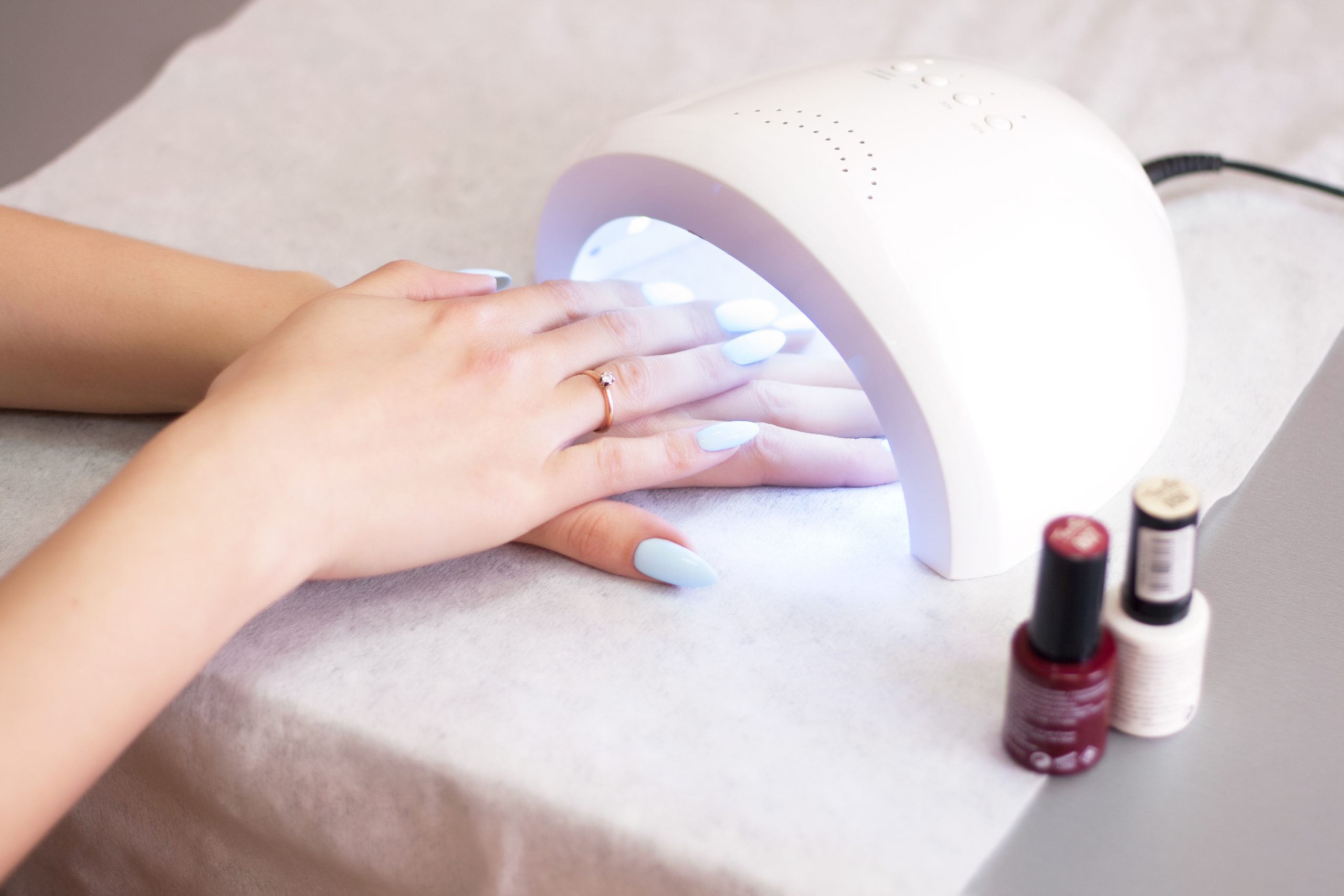
Using an old or incompatible lamp results in incomplete gel polymerisation and poor adhesion. Traditional UV bulbs degrade after 100 hours of active use, losing necessary light intensity even while remaining lit.
Professional 48 W LED lamps cure photoinitiators thoroughly in 30–60 seconds at precise wavelengths (365–405 nm). Inadequate lamp wattage leaves the base layer soft, causing premature peeling and elevating the risk of contact dermatitis.
Your Nails Are Damaged or Naturally Soft
Damaged, flexible, or naturally thin nails struggle to maintain strong gel polish adhesion. Nails compromised by past peeling bend easily under slight pressure, shearing the bond between the nail plate and gel.
Strengthen compromised nails with daily jojoba-based cuticle oil and allow thin plates to regenerate before applying fresh gel. A structured builder gel overlay can provide necessary reinforcement for naturally flexible plates.
Exposure to Too Much Hot Water
Prolonged exposure to hot water causes the natural nail plate to expand, weakening the gel bond. As keratin absorbs moisture during long showers or dishwashing, the plate expands faster than the rigid polish, creating micro-fractures.
Wear lined rubber gloves for household chores and avoid submerging hands in hot baths or saunas. Keeping hands away from sustained heat for the first 24 hours allows the gel system to stabilize completely.
Using Your Nails as Tools
Using your nails as tools exerts direct mechanical force that breaks the gel seal. Prying open soda cans, opening packages, and peeling adhesive labels place vertical pressure on the nail tip, forcing the coating to separate.
Use scissors, letter openers, or flat metal utensils instead of your fingertips for everyday tasks. Treating nails as jewels rather than tools extends manicure longevity by preventing stress fractures.
Biting and Picking at Your Nails
Biting and picking at manicure edges mechanically tears the gel and destroys underlying keratin. Saliva contains digestive enzymes like amylase that degrade polish bonds, while constant oral trauma introduces bacteria into micro-tears.
Keep nails filed smooth and apply nourishing cuticle balm whenever the urge to pick arises. Regular maintenance appointments eliminate rough edges that trigger unconscious picking.
What to Do After You Peel Off Gel: A MobileNailNewyork At-Home Repair Guide
Repairing nails after peeling gel polish requires targeted hydration and active keratin reinforcement. Follow these 4 restorative steps to rebuild natural nail plate integrity and prepare for your next manicure.
Gently Buff Your Nail Surface
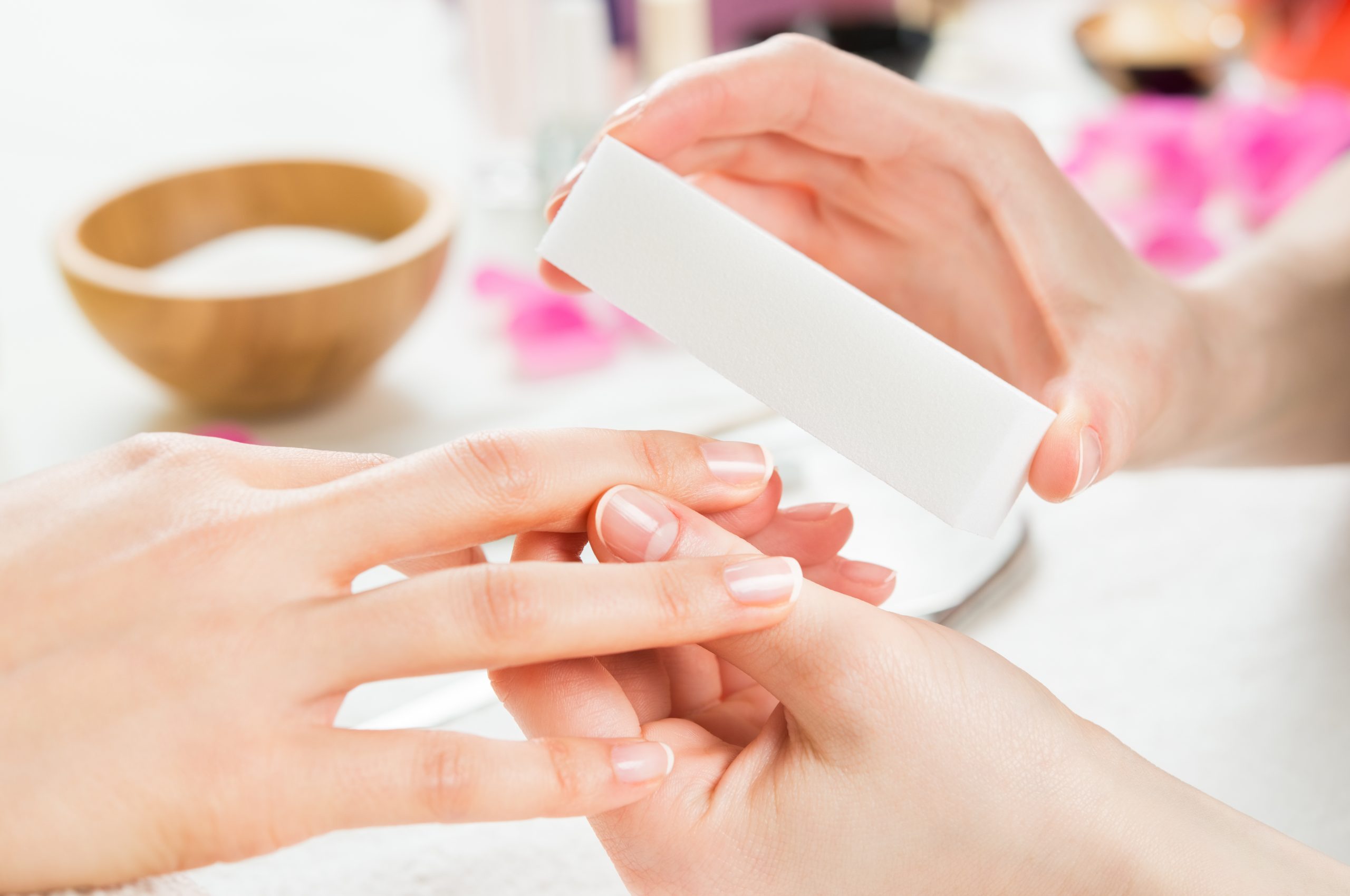
Gently smoothing rough edges prevents shredded keratin fibers from catching and peeling further down the nail plate. Use a fine-grit buffer (240–400 grit) and stroke lightly in one direction across damaged spots.
Avoid aggressive surface filing, which removes essential nail plate thickness. Buff only enough to level sharp fringes, leaving the maximum dorsal plate intact for healing.
Hydrate with Cuticle Oil
Intensive hydration restores lost flexibility and replenishes lipids stripped during mechanical peeling. Massage a quality cuticle oil containing jojoba seed oil, vitamin E, or sweet almond oil into the nail plate and proximal nail fold two to three times daily.
Jojoba oil molecules penetrate the compact keratin matrix to prevent brittle snapping. Consistent moisture application stimulates healthy matrix circulation, supporting faster, stronger nail growth.
Apply a Nail Strengthener
A quality nail strengthener seals exposed keratin layers and shields weakened nail beds from everyday impacts. Choose formulas infused with hydrolyzed keratin, calcium, and biotin to reinforce fragile tips.
Avoid treatments with formaldehyde, which hardens nails excessively and causes severe snapping. Wear the strengthening treatment as a clear protective barrier for 7–14 days while natural plates recover.
Give Your Nails a Break Before Your Next Manicure
Giving natural nails a 1- to 2-week break allows damaged dorsal keratin to recover before the next enhancement. Rushing into a new gel set on raw, peeled plates risks chemical irritation and premature lifting.
Maintain daily oiling and keep nails filed to an active, short length during this recovery period. Once your nail surface feels firm and smooth, you can safely schedule your next professional gel service.
How to Prevent Your Gel Polish from Peeling with MobileNailNewyork’s New York Pro Tips
Preventing gel polish peeling relies on meticulous preparation, balanced product layering, and precise curing times. Professional technicians follow these five field-tested practices to ensure maximum adhesion.
Ensure Cuticle Prep is Key
Thorough cuticle removal creates an immaculate surface area for unbreakable gel bonding. Push the proximal fold back gently and dissolve the invisible pterygium cuticle adhering to the plate using a specialized cuticle softener.
Licensed manicurists trim only loose, non-living hangnails, never cutting live eponychium tissue. Removing dead skin without gouging living skin protects against infections and eliminates proximal lifting.
Always Use a Quality Base Coat and Top Coat
High-grade base and top coats provide the chemical foundation and defensive seal of a no chip manicure. Quality base coats contain specialized bonding monomers that grip natural keratin, while cross-linked top coats resist UV dulling, scratches, and daily solvent exposure.
Choose professional salon-grade systems formulated for your specific nail flexibility. Matching your base coat formula to your nail type prevents stress cracks and extends wear past day 14.
Apply Thin, Even Coats of Polish
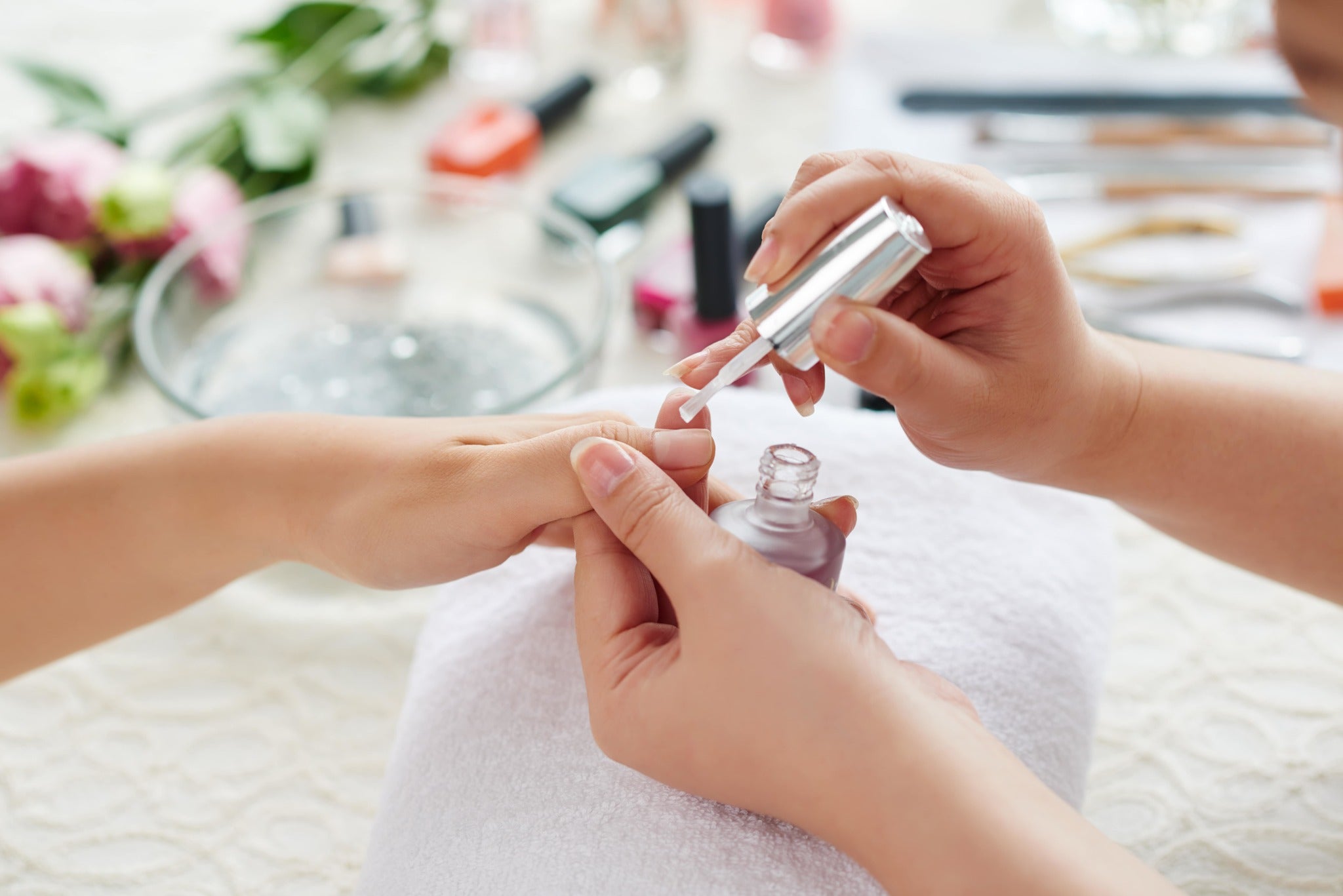
Thin, controlled coats guarantee thorough LED light penetration and uniform polymerization across the entire nail plate. Wipe excess gel from the brush neck and glide the bristles with light, even pressure from base to tip.
Two thin layers always outperform a single heavy coat in durability and flexibility. Keeping edges clean prevents bulk buildup along the lateral sidewalls where lifting typically starts.
Cure Each Coat for the Correct Amount of Time
Adhering to exact curing times ensures complete monomer conversion into a durable polymer network. Most modern professional gel formulations require 30–60 seconds under a 48 W LED lamp or 120 seconds under standard UV bulbs.
Avoid removing your hand from the lamp before the cycle completes, as under-curing leaves uncured monomers on the nail. If your nails feel sensitive, use low-heat mode settings rather than cutting cure cycles short.
Fix Any Chips Immediately
Promptly repairing small chips prevents moisture from seeping beneath the coating and causing widespread peeling. Learning how to fix chipped nails with rubbing alcohol and a thin layer of top coat seals the exposed edge and preserves the manicure.
Clean the chipped edge thoroughly, apply a microscopic dab of clear top coat, and cure immediately under an LED lamp. This fast emergency fix caps the open boundary and protects your natural plate.
When to Get Professional Help for Your Gel Manicure at Home in New York
Seek professional assistance if you experience recurrent peeling, severe keratin damage, or persistent splitting. If you notice signs of bacterial infection—such as localized swelling, redness, or discharge—postpone cosmetic enhancements immediately and consult a physician or dermatologist.
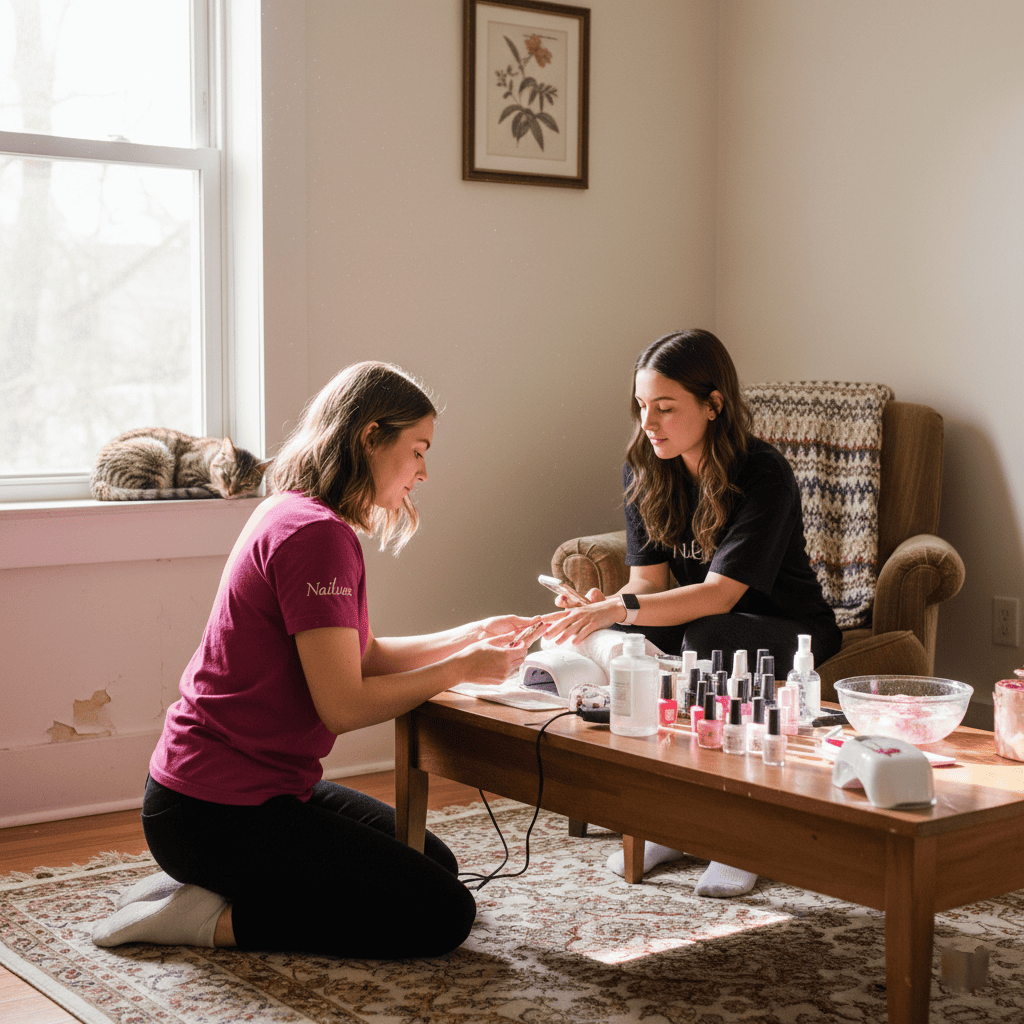
Nailuxe delivers licensed, salon-grade nail care directly to your residence with appointments for at home gel nails nyc across Manhattan, Brooklyn, Queens, The Bronx, and Staten Island. Every visit features medical-grade hygiene: metal instruments steam-autoclaved at 121°C (250°F) for 30 minutes in sealed pouches, single-use buffers, and safe acetone soak-off procedures that protect natural nail health.
Frequently Asked Questions About Gel Polish Peeling
Is It Bad to Peel Off Gel Polish?
Peeling off gel polish is severely damaging to natural nails. Pulling cured gel strips away 30% to 50% of the dorsal nail plate, causing extreme thinning, surface white spots (pseudoleukonychia), and painful splits. Always remove gel polish by soaking in pure acetone for 10–15 minutes.
Why Does My Gel Manicure Peel Off So Easily?
Gel polish peels easily due to inadequate nail prep, surface oils, or incomplete curing. Moisture and oil on the nail plate prevent the base coat from bonding properly. Applying coats too thickly, failing to cap the free edge, or using a degraded curing lamp will also cause early lifting.
How Can I Repair My Nails After Peeling Off Gel?
Repair peeled nails with intensive hydration, gentle buffing, and a keratin strengthener. Smooth loose surface fibers lightly with a 240-grit buffer, massage jojoba-based cuticle oil into the plates two to three times daily, and give natural nails a 1- to 2-week rest before your next manicure.
What’s a Best Way to Prevent Gel Polish from Peeling?
The best way to prevent peeling is thorough surface dehydration and thin, capped layers. Cleanse the nail plate with 99% isopropyl alcohol, apply thin coats of quality base and top coats, cap the free edge on every layer, and cure each coat under a 48 W LED lamp for 30–60 seconds.
Life in New York moves fast, and Nailuxe delivers premium, unhurried nail care directly to your living room, office, or hotel suite. Experience bespoke mobile manicure and pedicure services across Manhattan, Brooklyn, Queens, The Bronx, and Staten Island, whether you need at home nails queens or customized sets in Manhattan. Every technician brings an all-in-one studio case complete with autoclaved tools, single-use files, and low-odor formulations.
Book your appointment with Nailuxe today to restore beauty and resilience to your hands.
- Brand: Nailuxe
- Operations Base: 191 Hancock St, Brooklyn, NY 11216, United States (no walk-in service)
- Hotline: +1442-555-4022
- Email: [email protected]
- Hours: 07:00–21:00 (7 AM–9 PM), Monday to Sunday
- Service Area: Manhattan, Brooklyn, Queens, The Bronx, Staten Island
- Website: https://mobilenailnewyork.com
