

You can restore thick, gooey nail polish to a smooth consistency using gentle thermal warming or dedicated solvent thinners. Professional nail technicians, including specialists providing an at home manicure nyc, rely on proven chemical rebalancing methods to restore optimal lacquer viscosity, ensuring even leveling and durable wear.
Reviving thickened enamel extends bottle lifespan by 3 to 6 months, protects original color pigments, and prevents product waste. Understanding the science of solvent evaporation allows you to make informed decisions about restoring salvageable bottles versus replacing expired ones.
Understanding Why Nail Polish Thickens
Nail polish thickens primarily due to solvent evaporation. Commercial nail lacquer contains volatile solvents, such as butyl acetate, ethyl acetate, and isopropyl alcohol, which keep film-forming nitrocellulose resins and color pigments in a fluid suspension. Repeated bottle openings expose the liquid to ambient air, allowing solvents to evaporate and leaving concentrated solids behind.
Temperature fluctuations accelerate solvent loss and destabilize lacquer composition. Heat exceeding 24°C (75°F) increases internal vapor pressure and speeds evaporation, whereas cold environments below 10°C (50°F) temporarily thicken liquid resins. Unfavorable storage locations, such as humid bathrooms, sunny windowsills, and heating vents, lead to rapid degradation.
Product age also limits chemical stability. Most commercial polishes deliver peak application quality for 12 to 24 months after opening. Beyond this window, irreversible resin separation occurs, making older bottles less responsive to restoration methods than freshly thickened polishes.
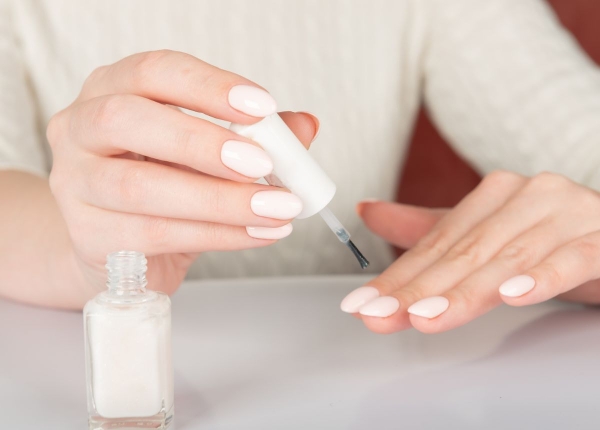
Best Methods for Reviving Nail Polish: Tips from MobileNailNewyork’s At-Home Service in New York
Nailuxe, a mobile nail service in New York City, relies on conservative restoration protocols that safeguard product chemistry. Our licensed nail technicians use gentle warming and calibrated solvent replenishment during mobile appointments to maintain flawless, streak-free polish application.
Method 1: Using Hot Water to Fix Dry Nail Polish
A hot water bath softens dried neck residue and temporarily lowers lacquer viscosity without introducing foreign chemicals. This non-invasive method works best for mildly thickened polishes and gel-based formulations that have thickened recently.
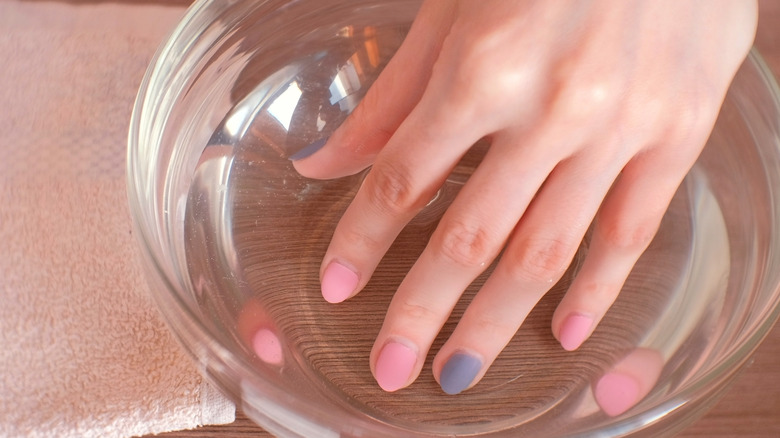
Fill a bowl with warm water measuring 40–50°C (104–122°F). Submerge the tightly capped bottle upright for 2 to 3 minutes, ensuring the water level covers the bottle neck where dried lacquer gathers while keeping the cap seal dry.
Remove the bottle with a clean towel and roll it gently between your palms for 15 seconds. Test the consistency on a test palette or single nail. Return the bottle to the warm bath for 1 to 2 additional minutes if the polish continues to pull or drag on the brush.
Method 2: Fixing Thick Polish with Nail Polish Thinner
Nail polish thinner provides a permanent restoration solution for moderately to severely thickened lacquer. Professional thinners contain balanced solvent blends of butyl acetate and ethyl acetate that precisely match the original liquid vehicle of standard nail enamels.
Add 1 to 2 drops of quality thinner into the bottle using a dropper. Secure the cap tightly and roll the bottle between your palms for 10 to 15 seconds. Avoid vigorous shaking, which introduces microscopic air pockets that cause unsightly bubbles during application.
Test the brush flow on a swatch surface. Add 1 more drop only if drag persists, limiting total restoration to a maximum of 3 drops per bottle. A professional thinner restores lacquer to like-new fluidity, extending usable wear by 3 to 6 months without dulling the finish.
A Note on Using Pure Acetone
Pure acetone breaks down the chemical binders, plasticizers, and film-formers in nail polish. While acetone quickly liquefies thick lacquer, it destroys the underlying resin matrix, leaving a watery, brittle formula that ruins any possibility of achieving a chip free nail polish finish.
Use pure acetone only as an emergency measure when professional thinner is unavailable, adding no more than a single micro-drop with a toothpick. Excessive acetone causes permanent discoloration, streaking, and rapid peeling within 24 to 48 hours.
Professional nail technicians avoid acetone for lacquer restoration and reserve it exclusively for removal. Investing in a salon-grade nail polish thinner protects your polish collection without risking formula damage.
What Happens If You Use Thickened Polish?
Applying thickened nail polish compromises manicure longevity, finish smoothness, and drying efficiency. High viscosity prevents natural self-leveling across the nail plate, resulting in visible ridges, heavy streaks, and an uneven surface.
Drying times increase significantly with thick layers. Standard coats dry within 10 to 15 minutes, whereas thickened enamel can take 30 to 45 minutes or longer to set, even beneath the best top coat. Prolonged curing times increase the risk of accidental smudges, gouges, and sheet marks.
Adhesion fails because thick lacquer cannot bond uniformly to the natural nail plate or base coat. This weak adhesion leads to premature chipping and edge lifting within 1 to 2 days, significantly reducing the standard 5 to 7 days of wear. Furthermore, dense lacquer splays brush bristles, permanently bending applicator hairs and ruining application precision.
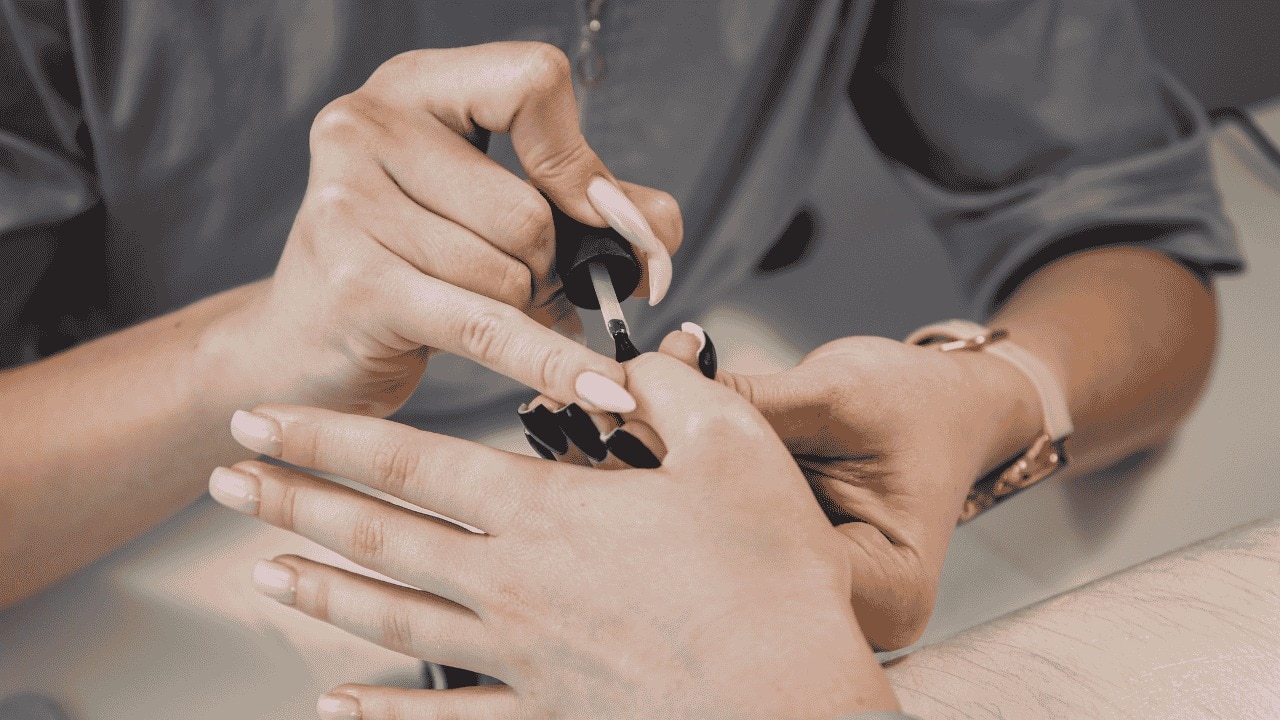
How to Prevent Nail Polish From Drying Out
Preventative bottle care prevents solvent evaporation and ensures a smooth, long lasting manicure. Implementing standard salon storage habits extends lacquer life and preserves original fluid consistency.
Always Ensure a Tight Seal
Inspect the bottle neck and closure threads after each manicure session. Wipe away dried enamel residue using a lint-free cotton pad moistened with acetone, ensuring the cap threads seat flush against the glass lip.
Tighten caps firmly to maintain an airtight seal, but avoid excessive force that can crack plastic closures or strip glass bottle threads. Replace damaged or warped caps immediately, as micro-gaps allow continuous solvent loss.
Store Polish in a Cool, Consistent Place
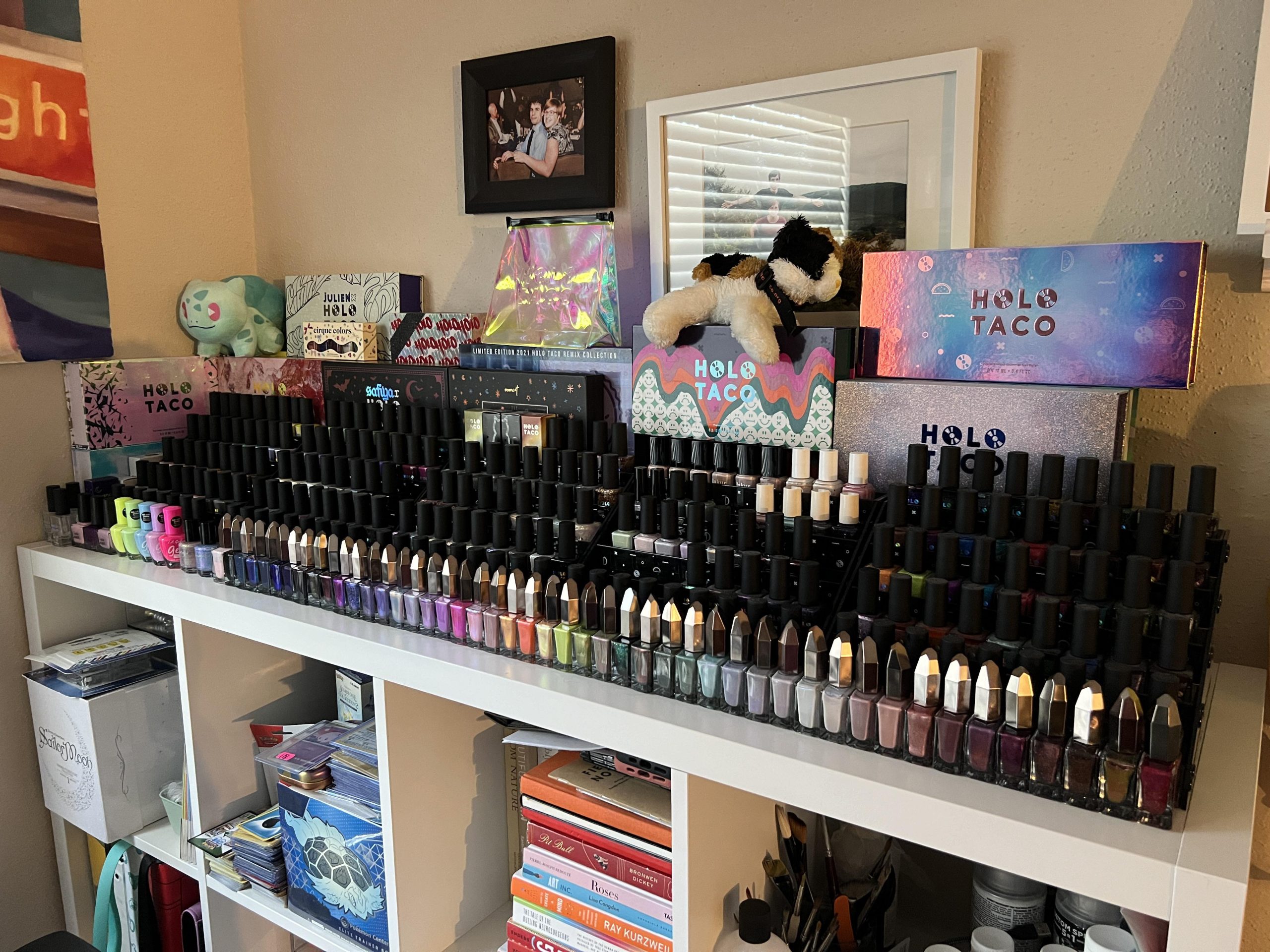
Maintain bottle storage temperatures between 15°C and 21°C (59–70°F) with minimal daily variance. Stable ambient temperatures preserve chemical equilibrium and prevent volatile solvent expansion.
Avoid bathroom cabinets where shower steam produces rapid temperature and humidity shifts. Store bottles in dark, dedicated boxes or drawers away from direct sunlight, heating vents, and radiators to prevent thermal degradation and pigment fading.
Keep Your Bottles Stored Upright
Store all nail polish bottles in an upright position to prevent liquid lacquer from entering the neck threads. Tipped or sideways bottles allow enamel to dry inside the cap mechanism, cementing closures shut and damaging airtight seals.
Vertical positioning also maintains uniform pigment and mica suspension. While heavy glitters naturally settle over time, upright storage ensures balanced sediment distribution that reconstitutes easily with gentle hand-rolling.
When Should You Throw Away Old Nail Polish?
Knowing when restoration is impossible prevents application frustration and wasted materials. Discard bottles that show unmistakable signs of chemical breakdown and terminal expiration.
Discard bottles showing permanent pigment separation. When color sediments and clear carrier solvents refuse to re-emulsify after thorough hand-rolling, formulation binders have broken down completely.
Dispose of polish that develops an unusual sour or rancid odor distinct from normal acetate scents. Unpleasant smells indicate expired chemical preservatives. Furthermore, discard rock-hard polish and bottles exceeding 3 to 4 years of age that fail to respond to thinner, as degraded resins cannot form a durable cosmetic film.
FAQs on Reviving Old Nail Polish by MobileNailNewyork
Can I use nail polish thinner instead of acetone?
Nail polish thinner is the proper chemical solution for restoring thick lacquer. Professional thinners replenish ethyl acetate and butyl acetate without breaking down resins, keeping the finish glossy and durable. Acetone dissolves synthetic binders and permanently damages the formulation. Reserve thinner for restoration and save acetone exclusively for nail polish removal.
How often can I add thinner to my nail polish?
Add thinner conservatively, limiting restoration to 2 or 3 times per bottle. Each addition alters the solvent-to-pigment ratio, which can dilute color opacity and weaken wear resistance over time. Quality polishes stored in cool, dark environments rarely require thinning more than once during their 12 to 24-month lifespan.
Why is my nail polish bubbling when I apply it after reviving it?
Bubbling occurs when vigorous shaking traps air bubbles inside the liquid lacquer. Shaking incorporates air into viscous enamel, transferring bubbles to the nail surface during application. Roll bottles gently between your palms to mix solvents smoothly, and apply polish only to thoroughly clean, oil-free nails.
Nailuxe, a mobile nail service in New York City, brings licensed nail technicians to your home, office, or event venue in Manhattan, Brooklyn, Queens, The Bronx, and Staten Island from 07:00 to 21:00, seven days a week. Your technician works on a protective mat and opens hospital-grade tools steam-autoclaved at 121°C (250°F) for 30 minutes from sealed pouches in front of you. Whether you schedule our popular mobile nails bronx service or a regular home appointment, pair your restored lacquer with professional after manicure care to maintain 5 to 7 days of chip-free wear.
Book your appointment with Nailuxe today to experience professional nail care in the comfort of your own space.
- Brand: Nailuxe
- Operations Base: 191 Hancock St, Brooklyn, NY 11216, United States (no walk-in service)
- Hotline: +1442-555-4022
- Email: [email protected]
- Website: https://mobilenailnewyork.com
- Hours: 07:00–21:00 (7 AM–9 PM), Monday to Sunday
- Service Area: Manhattan, Brooklyn, Queens, The Bronx, and Staten Island
