
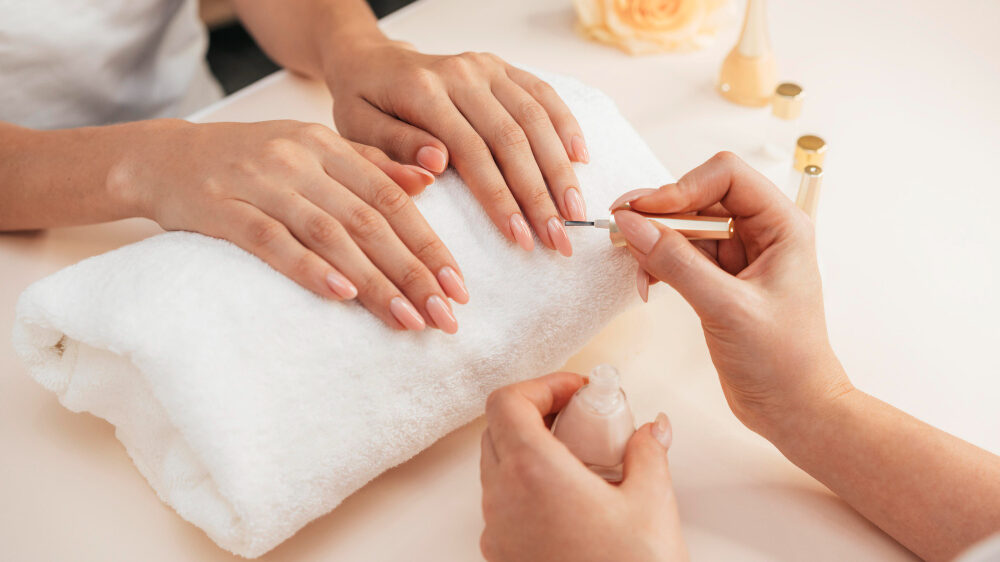
Achieving salon-quality natural nails in New York City requires a structured weekly routine rather than hours spent traveling to crowded nail salons. Regular maintenance strengthens the natural nail plate, preserves keratin structure, and supports consistent nail growth across a busy urban schedule. You can easily achieve durable, professional results at home in a Manhattan apartment or a Brooklyn living room.
The Benefits of a Consistent Nail Care Routine
A consistent nail care routine strengthens the natural nail plate, prevents painful hangnails, and extends the wear time of any polish application. Fingernails grow approximately 3.47 mm (0.14 in) per month, and regular weekly care prevents micro-fractures in the dorsal keratin layers that lead to chipping or peeling. Consistent hand hygiene and nail conditioning also reduce microbial infection risks, according to the American Academy of Dermatology.
Dedicating 30 minutes weekly toward this practice saves you valuable time and money otherwise spent on frequent salon visits. Nails develop improved flexibility and durability, allowing them to withstand daily typing, subway commuting, and harsh New York winter air.
Professional nail technicians observe that clients who maintain weekly routines experience longer-lasting manicures with fewer structural issues. The keratin protein forming the nail plate responds favorably to regular hydration, developing a smoother texture, uniform growth patterns, and enhanced resistance to breakage.
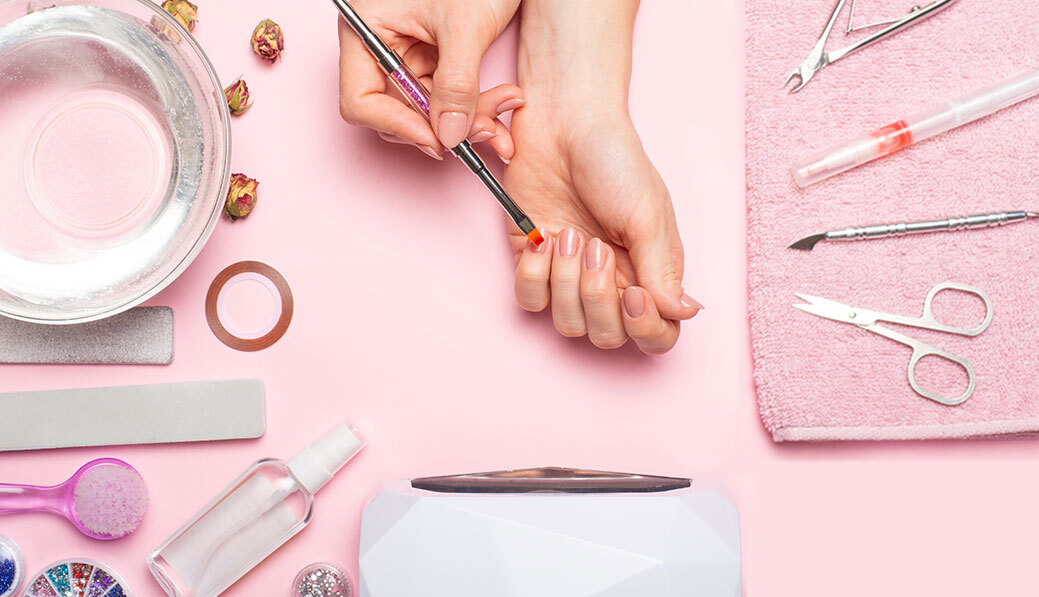
Essential Nail Care Tools for Your At-Home Kit
Building an effective at-home nail care kit requires six professional tools: a glass nail file, precision clippers, a cuticle pusher, nourishing cuticle oil, hydrating hand cream, and an acetone-free remover. Investing in quality instruments protects the nail plate and delivers clean, salon-grade results.
Glass files seal the keratin free edge as they work, preventing micro-tears and peeling far more effectively than traditional emery boards. Precision stainless-steel clippers cut straight across without crushing delicate nail layers. A wooden or stainless-steel cuticle pusher allows you to maintain neat cuticle borders without scraping the protective matrix zone.
Cuticle oil rich in jojoba, sweet almond oil, and vitamin E penetrates deeply to replenish essential lipids in the nail bed, which explains why use cuticle oil remains a vital step in nail care. A quality hand cream formulated with ceramides, shea butter, and hyaluronic acid provides lasting moisture, shielding your hands from environmental dryness.
Your kit should also include a gentle buffing block to smooth superficial ridges without thinning the nail plate, lint-free cotton pads, and an acetone-free polish remover that dissolves lacquer without depleting natural oils.
Your Step-by-Step Weekly MobileNailNewyork Routine at Home
Step 1: Remove Old Polish and Clean Your Nails
You start your weekly routine by wiping away existing polish using an acetone-free remover on a lint-free cotton pad. Press the saturated pad against each nail for 10–15 seconds to dissolve the lacquer before wiping outward toward the tip. This controlled technique minimizes friction and prevents excessive drying of the nail plate.
Clean gently under the free edge of each nail using a soft brush or wooden manicure stick to clear debris. Wash your hands thoroughly with lukewarm water and a gentle cleanser, paying close attention to the cuticles and lateral nail folds. Pat your hands completely dry with a clean towel, as lingering water softens the nail plate and weakens subsequent polish adhesion.
Inspect each nail plate under bright lighting for discoloration, peeling, ridging, or signs of microbial infection. This weekly examination allows you to identify minor nail damage early and address concerns before applying fresh treatments.
Step 2: Trim and File Your Nails Correctly
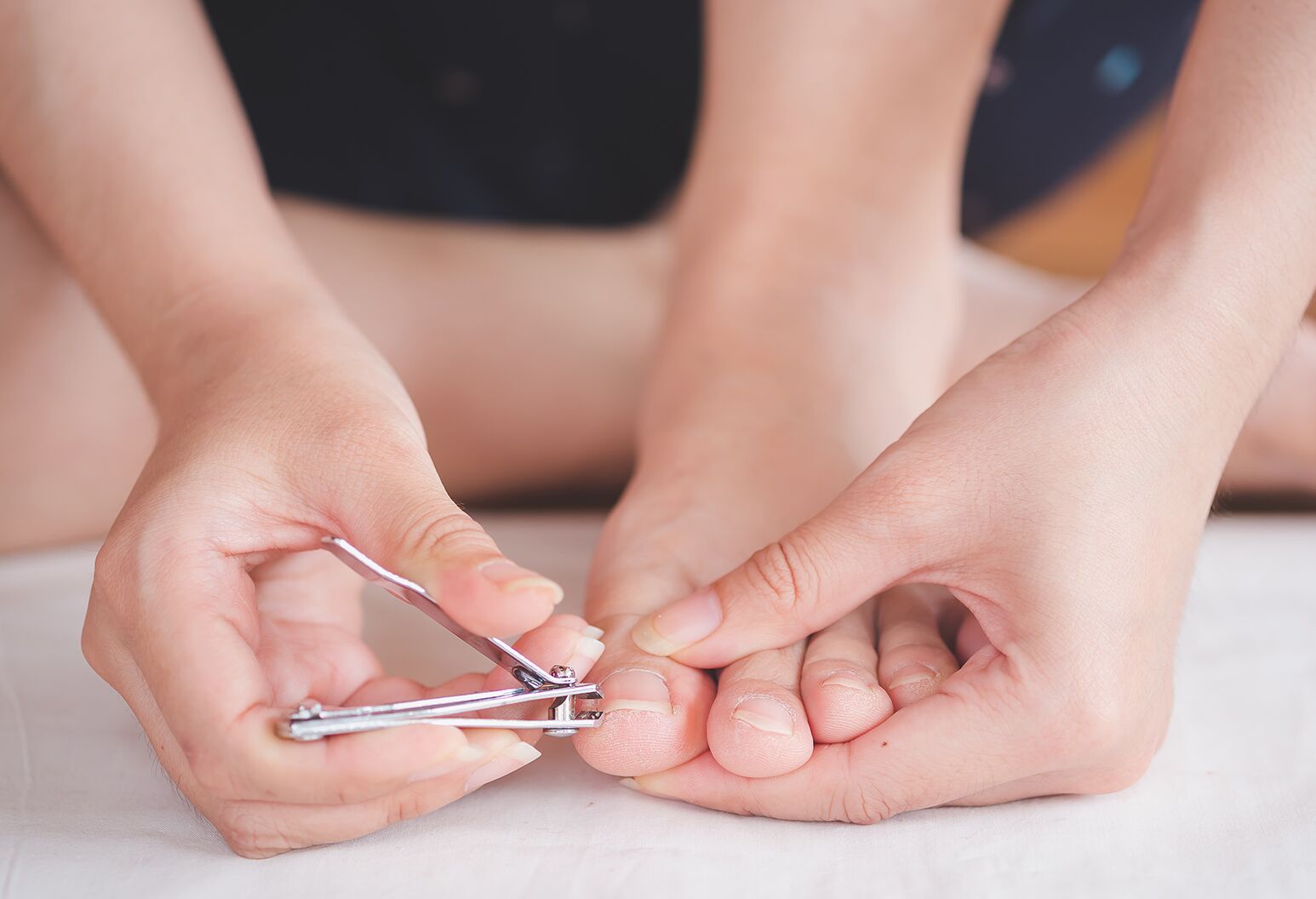
You shape your nails by trimming them straight across with clean clippers and refining the free edge with a glass file. Leave sufficient length to support the natural nail seal while ensuring everyday practicality for keyboard work and urban commuting.
File each nail in one direction only, sweeping from the outer edge toward the center rather than using a sawing back-and-forth motion. Choose natural, structurally resilient shapes such as squoval (square with soft rounded corners), oval, or round.
Pay extra attention to your dominant hand, which experiences greater mechanical wear throughout the day. Smooth any jagged corners to ensure the free edge does not snag on fabrics or clothing.
Step 3: Soften and Care for Your Cuticles
You care for your cuticles by applying nourishing cuticle oil and gently pushing back the softened dead tissue. Dispense a drop of oil onto each nail bed and massage it around the proximal and lateral nail folds, allowing 3–5 minutes for full absorption.
Gently ease back the thin cuticle tissue on the nail plate using a rounded wooden stick or metal pusher. Understanding how to care for cuticles safely means working with light pressure and never cutting the living eponychium skin, which acts as a biological defense against pathogens.
Snip only loose, dead hangnails using sterilized cuticle nippers, avoiding pulling or tearing healthy skin. Pulling hangnails creates open micro-wounds that invite bacterial infection and inflammation.
Step 4: Exfoliate and Moisturize Your Hands and Nails
You restore hydration by gently exfoliating dead epidermal cells and applying a rich emollient hand cream. Massage a gentle scrub containing fine sugar crystals and botanical oils over your hands and knuckles for 60 seconds to slough off rough skin and enhance microcirculation.
Rinse hands with lukewarm water and apply a thick hand moisturizer while the skin remains slightly damp to lock in surface hydration. Massage the cream thoroughly across the nail beds, cuticles, and web spaces between your fingers.
For an intensive conditioning treatment during cold New York winters, coat hands and cuticles with an intensive moisturizing balm and wear breathable cotton gloves overnight.
Step 5: Apply a Nail Strengthener or Base Coat
You protect the natural nail plate by applying a specialized base coat or keratin-infused strengthener before any color application. Strengthening formulas containing hydrolyzed keratin, calcium, and botanical proteins help fortify fragile or bendable nails over time.
Apply a thin, uniform coat across the clean nail surface, sweeping from the base to the free edge and sealing the tip. Let the layer dry completely for 2 minutes before adding color, ensuring an adhesive, stain-resistant foundation.
Rotate strengthening formulas with standard protective base coats every few weeks to avoid over-keratinization, which can make natural nail plates brittle.
Step 6: Add Polish for a Perfect Finish
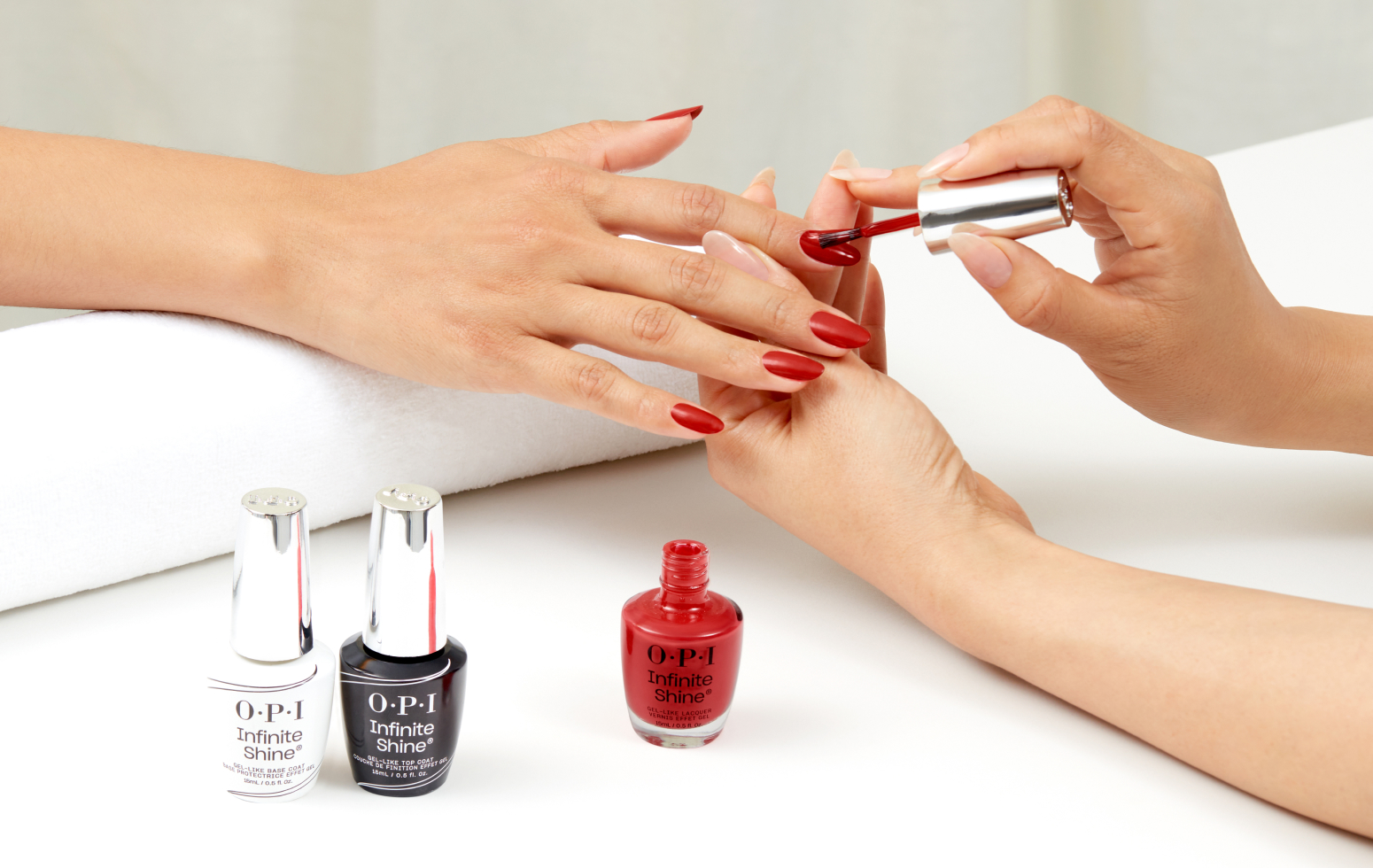
You finish your manicure by applying two thin coats of color polish followed by a high-gloss protective top coat. Thin layers prevent streaking, bubbles, and premature chipping, curing faster than a single thick coat.
Paint each nail with three fluid strokes: one down the center, followed by one on each lateral side. Leave a narrow 1 mm margin between the polish and the cuticle edge to prevent lifting as the nail grows. Allow each coat to dry for 2 minutes before brushing on the next.
Apply a high-shine, chip-resistant top coat over the entire nail and cap the free edge to seal the pigment. Reapplying a fresh layer of top coat every 2–3 days preserves gloss and extends regular lacquer wear to 5–7 days.
Simple Daily Habits for Healthy Nails
Maintaining healthy natural nails requires daily protective habits that complement your weekly routine. Apply cuticle oil every morning and again before bed to keep periungual skin pliable, forming the bedrock of proper after manicure care.
Wear waterproof rubber gloves when washing dishes, scrubbing surfaces, or handling household cleaning solutions. New York tap water and chemical surfactants strip the natural lipids from your skin and nail plate, causing premature lifting and brittleness.
Moisturize your hands immediately after each hand wash throughout the day. Keep a compact tube of restorative hand cream at your desk or in your bag to counter the dehydrating effects of indoor air conditioning and radiator heating.
Avoid using your natural nails as tools to open cans, scrape tags, or pry boxes. Keep utility tools accessible to handle physical tasks, protecting your natural nail structure from stress fractures and breaks.
Diet and Lifestyle Tips for Stronger Nails
Balanced nutrition and healthy lifestyle choices directly support keratin synthesis and optimal nail plate thickness. Protein-rich foods such as eggs, lean poultry, legumes, and salmon supply essential amino acids, while micronutrients like biotin, zinc, and iron promote cellular growth at the nail matrix.
Stay adequately hydrated by drinking at least 8 glasses of water daily (approximately 2 liters). Systemic dehydration reduces nail plate flexibility, leaving free edges dry and prone to splitting under everyday friction.
Engage in regular physical activity to boost peripheral blood circulation. Robust blood flow ensures steady oxygen and nutrient delivery to the germinal matrix of each nail bed.
Manage psychological stress through sufficient sleep and relaxation habits. High stress levels impair hair and nail development and trigger destructive nervous habits; understanding how to stop biting nails protects the delicate matrix from chronic mechanical trauma.

Common Nail Problems and How to Solve Them at Home
How Can You Treat Brittle Nails at Home?
You can treat brittle nails by applying hydrating cuticle oil twice daily and sealing the nail plate with a keratin-fortified strengthener. Brittle nails typically stem from frequent water exposure, dry indoor heating, or aggressive polish removers.
Switch to an acetone-free remover and protect your hands with rubber gloves when performing household chores. Apply hydrolyzed keratin treatments every few days to reinforce plate integrity, avoiding excessive buffing that thins fragile nails.
Evaluate your dietary protein intake and consult a medical professional regarding biotin or iron levels if chronic brittleness continues despite daily topical moisturizing.
What Is the Best Way to Handle Peeling Nails?
The best way to handle peeling nails is to keep the free edge trimmed short and gently buff rough edges without peeling loose layers. Peeling occurs when mechanical friction, moisture fluctuations, or harsh chemicals separate the dorsal and intermediate keratin layers of the nail plate.
Apply a thin layer of nail strengthener or base coat over peeling areas to bond separating layers as the nail grows forward. Smooth any sharp peeling boundaries with a fine glass file, avoiding rough grit buffers that worsen delamination.
Increase dietary intake of omega-3 fatty acids from walnuts, flaxseeds, and fatty fish to support cellular cohesion within the nail matrix, and apply nourishing cuticle oil twice daily.
How Do You Get Rid of Yellow Nail Stains?
You can get rid of yellow nail stains by applying a gentle paste of baking soda and fresh lemon juice to bare nails for 10 minutes before rinsing. Surface staining commonly results from highly pigmented lacquers applied without a barrier base coat, smoking, or contact with cleaning agents.
Always apply a clear base coat before wearing pigmented polishes to prevent chemical dyes from staining the porous keratin plate. Allow your nails to rest bare for 24 hours between lacquer applications.
Consult a board-certified dermatologist or podiatrist if yellowing appears suddenly alongside thickening, crumbling, or painful swelling, as persistent discoloration may indicate an underlying fungal infection.
Why Choose MobileNailNewyork for Your At-Home Nail Care in New York
While a consistent home routine maintains nail health, specialized finishes and restorative treatments often require certified professional precision. Nailuxe, a mobile nail service in New York City, delivers complete salon-grade care directly to your apartment, private home, hotel, or office across Manhattan, Brooklyn, Queens, The Bronx, and Staten Island.
Every appointment is conducted by a licensed nail technician holding a New York State Nail Specialty License. Our technicians travel with the professional Nailuxe Studio Case, utilizing medical-grade metal tools steam-autoclaved at 121°C (250°F) for 30 minutes in sealed pouches opened in front of you, alongside single-use files and buffers.
Whether you need a rejuvenating at home pedicure nyc residents rely on, structured builder gel, or premium at home nails bronx services, our mobile team eliminates travel friction while providing expert care backed by the Nailuxe 7-Day Care Promise.
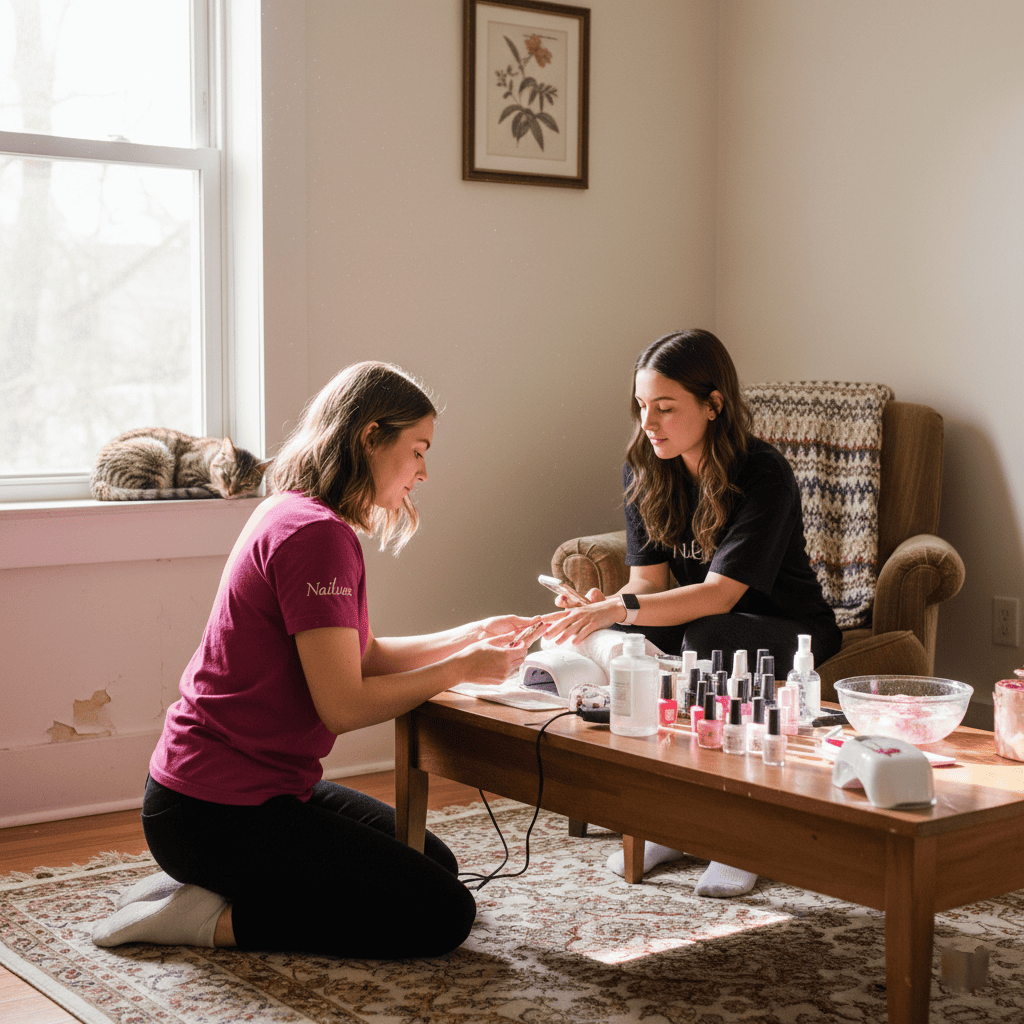
Nailuxe brings professional manicures, pedicures, gel nails, acrylic full sets, dip powder, and custom nail art to your door with published pricing, $0 travel fees in Brooklyn, and fixed borough travel fees across the five boroughs.
Schedule your appointment with Nailuxe today to experience hygienic, customized nail care that fits your New York lifestyle:
- Brand: Nailuxe
- Address: 191 Hancock St, Brooklyn, NY 11216, United States (Operations base; no walk-in service)
- Phone: +1442-555-4022
- Email: [email protected]
- Website: https://mobilenailnewyork.com
- Hours: 07:00–21:00 (7 AM–9 PM), Monday to Sunday
