
Fingernail breakage compromises keratin plate integrity and weakens the natural nail structure. Professional technicians use 3 primary repair methods to restore damaged nails without requiring a salon visit: natural fiber reinforcement, cyanoacrylate adhesive bonding, and structured gel overlays. These techniques stabilize surface cracks, partial breaks, and chipped free edges when you apply proper tools and cosmetic-grade materials.
How You Can Fix Damaged Fingernails
You can fix damaged fingernails by evaluating fracture depth and applying a targeted reinforcement method. Surface micro-cracks respond effectively to tea bag fiber wraps, whereas deeper horizontal stress breaks require cyanoacrylate glue. Consult a licensed technician or medical provider immediately if a nail separation involves active bleeding or nail bed trauma.
Step 1: Prepare and Clean Your Fingernail
Sanitize your hands thoroughly by washing with mild antibacterial soap and warm water for 20 seconds. Remove existing polish using an acetone-free remover to prevent moisture loss, a common contributor to brittle nails. Cleanse the break site with 70% isopropyl alcohol to eliminate surface oils and pathogenic bacteria.
Inspect the fracture carefully under clear, direct lighting. Cracks measuring less than 3.2 mm (0.125 in) in length remain suitable for at-home repair. Seek professional medical evaluation if the crack extends past the hyponychium into the vascular nail bed to avoid permanent matrix injury.
Step 2: Using Tea Bags for Small Cracks
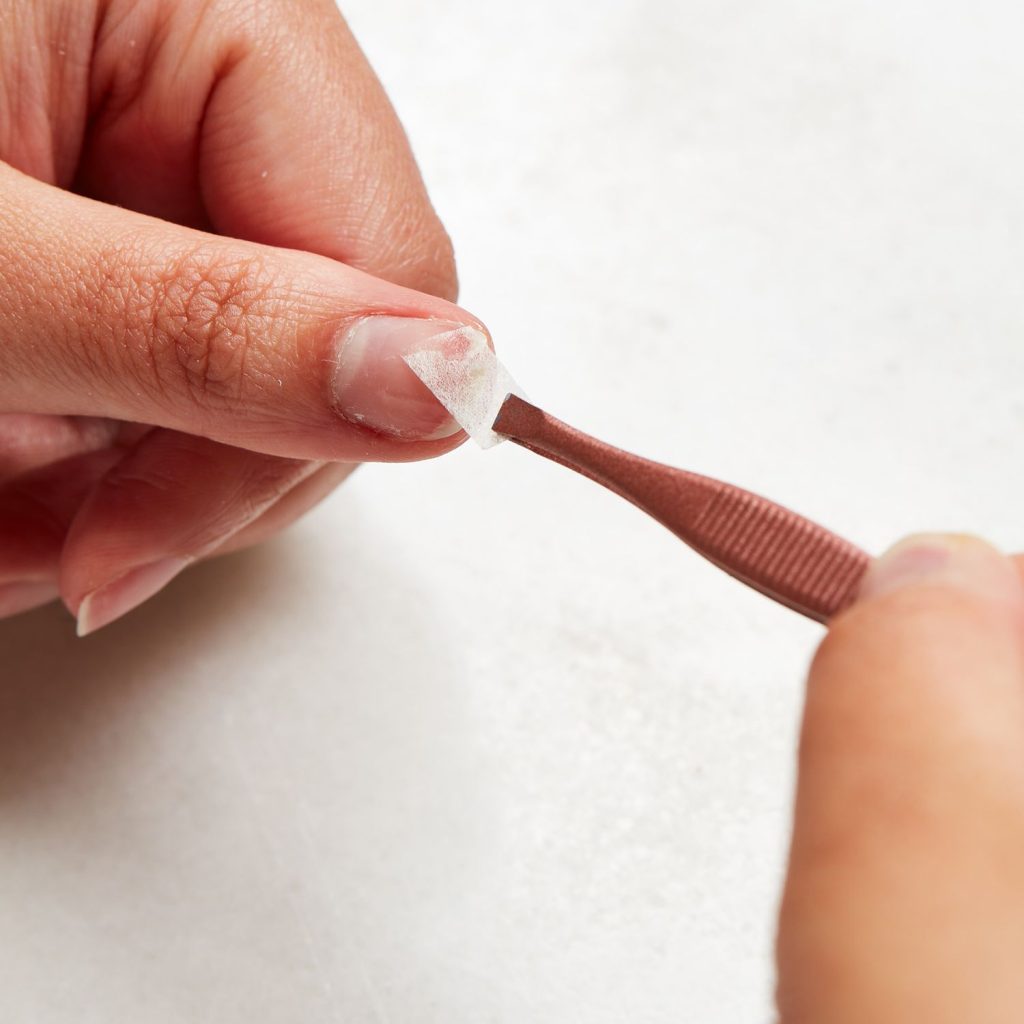
Tea bag fiber wraps reinforce small surface cracks by creating a flexible structural mesh across the keratin plate. Cut a small rectangular patch from an unused, clean paper tea bag sized slightly larger than the crack perimeter. This cellulose fiber provides tensile support while your natural nail plate regenerates.
Apply 1 thin layer of clear base coat directly over the damaged area. Position the tea bag patch onto the wet lacquer using fine tweezers, smoothing the mesh to eliminate air bubbles and creases. Allow the base coat to dry for 2 minutes so the fiber bonds securely to the nail surface.
Apply 2 additional thin coats of protective polish over the embedded patch. Allow 2–3 minutes of drying time between each coat. Finish with 1 coat of high-gloss top coat to seal the fiber edges and restore a smooth surface.
Step 3: Use Glue for Stronger Fixes
Cyanoacrylate nail glue provides high tensile holding strength for moderate or severe horizontal breaks. Professional-grade cyanoacrylate formulations deliver maximum stability, lasting 7–10 days with proper application and care.
Cleanse the fractured edges thoroughly before applying adhesive. Place 1 small droplet of nail glue directly over the fissure, keeping adhesive away from surrounding skin. Press the separated edges together firmly using an orangewood stick for 30–45 seconds. The chemical bond cures over 24 hours to achieve peak durability.
Smooth rough surface ridges gently using a 240-grit buffer or fine nail file. Apply 1 layer of base coat, 2 coats of color lacquer, and 1 protective top coat. This bonded repair withstands routine daily tasks, such as typing on keyboards, turning book pages, and handling clothing.
Step 4: Apply Gel Polish for a Final Touch
Gel polish application seals repaired nail fractures under a durable, cross-linked polymer coating that wears for 14–21 days (2–3 weeks). Professional gel formulations cure under LED or UV lamps to create a rigid, chip-resistant shield.
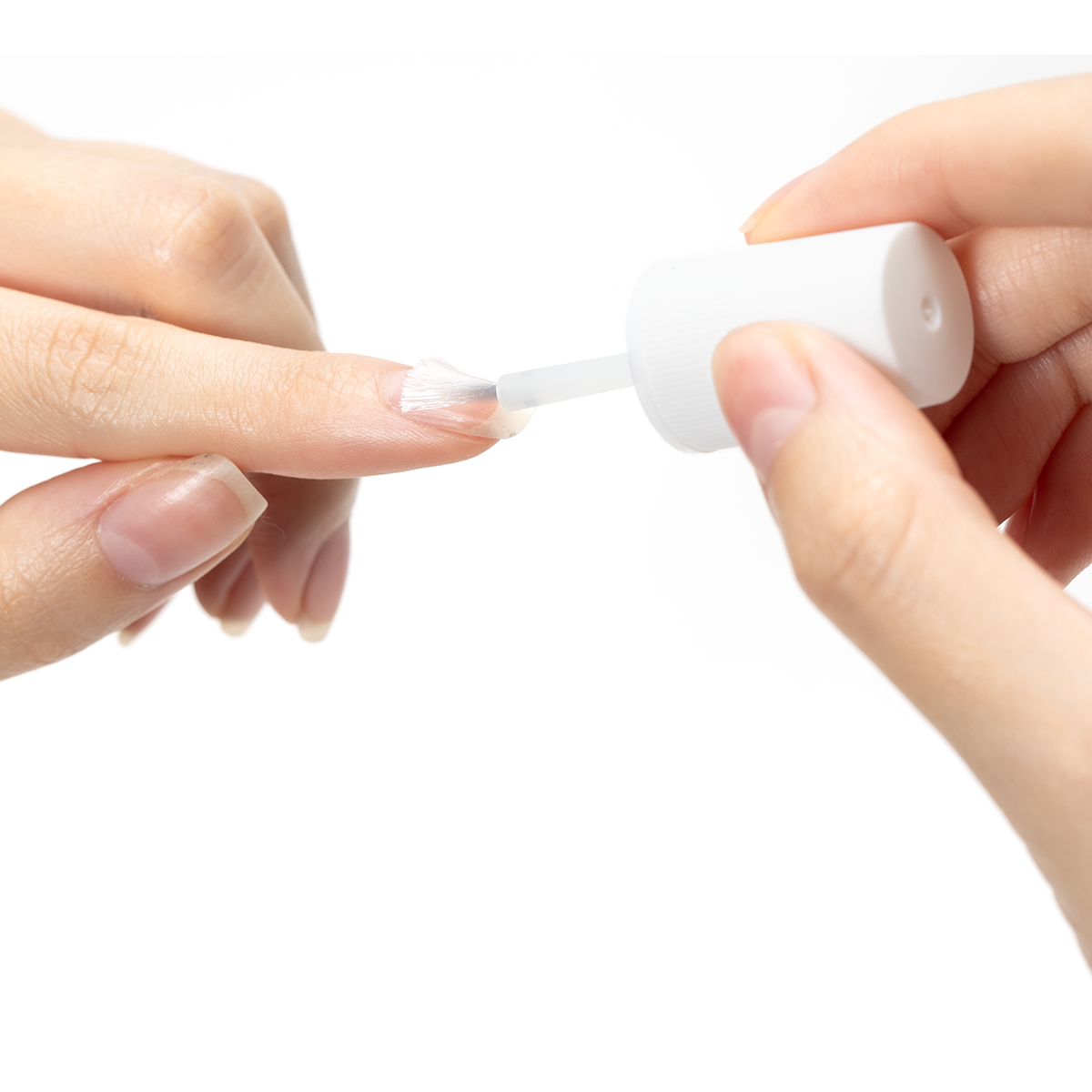
Brush 1 thin layer of gel base coat over the repaired nail plate. Cure under a 48 W LED lamp for 30–60 seconds, or under a UV lamp for 2 minutes. Apply 2 thin layers of color gel polish, curing each layer individually for 30–60 seconds. Apply 1 coat of gel top coat and complete the final curing cycle.
Remove the tacky inhibition layer by wiping the nail surface with a lint-free pad saturated in 70% isopropyl alcohol. Proper gel overlay application protects underlying repairs while preserving natural plate flexibility.
Frequently Asked Questions
What Should I Do if My Broken Fingernail Is Bleeding?
You should control the bleeding immediately with direct pressure and seek medical evaluation if your broken fingernail is bleeding. Apply firm, steady pressure with a clean cloth or sterile gauze pad for 5–10 minutes. Clean the perimeter with sterile saline solution, apply an antibiotic ointment, and protect the finger with a sterile bandage. Do not apply cosmetic nail glue, acrylic products, or colored polishes to an actively bleeding nail bed, because open wounds require professional medical care to prevent deep bacterial infections.
How Can I Fix a Chipped Fingernail?
You can fix a chipped fingernail by smoothing the free edge with a fine-grit file and applying protective strengthening coats. File the chipped perimeter gently in one direction using a 240-grit glass or emery file until the snag disappears and aligns with your natural nail shape. Cleanse the plate with isopropyl alcohol, then apply 1 coat of strengthening base coat, 2 thin layers of color polish, and 1 layer of protective top coat to restore edge strength.
How Can I Conceal a Broken Area After Repair?
You can conceal a broken area after repair by applying ridge-filling base coats and opaque pigmented polishes. Apply 1 coat of smoothing base coat across the repaired surface to level out any uneven texture. Follow with 2 thin coats of high-pigment shades, such as deep burgundy, opaque navy, or rich espresso. You can also place subtle nail art, such as micro-French tips, chrome powders, or minimalist line work, over the repair site to draw visual focus away from the mend.
How Can I Prevent My Fingernails From Breaking?
You can prevent your fingernails from breaking by maintaining short lengths, hydrating cuticles daily, minimizing water contact, and applying structural hardeners. Keep free edges trimmed near fingertip level to lower mechanical leverage. Apply nutrient-rich cuticle oils daily to preserve keratin plate flexibility. Wear protective waterproof gloves during wet household chores, and apply fortified nail strengtheners to reinforce weak plate layers.
Keep Them Short
Maintaining short fingernails reduces mechanical leverage and minimizes cracking along lateral stress points. Maintain your free edge at or slightly beyond the fingertip border to prevent accidental snagging against hard surfaces.
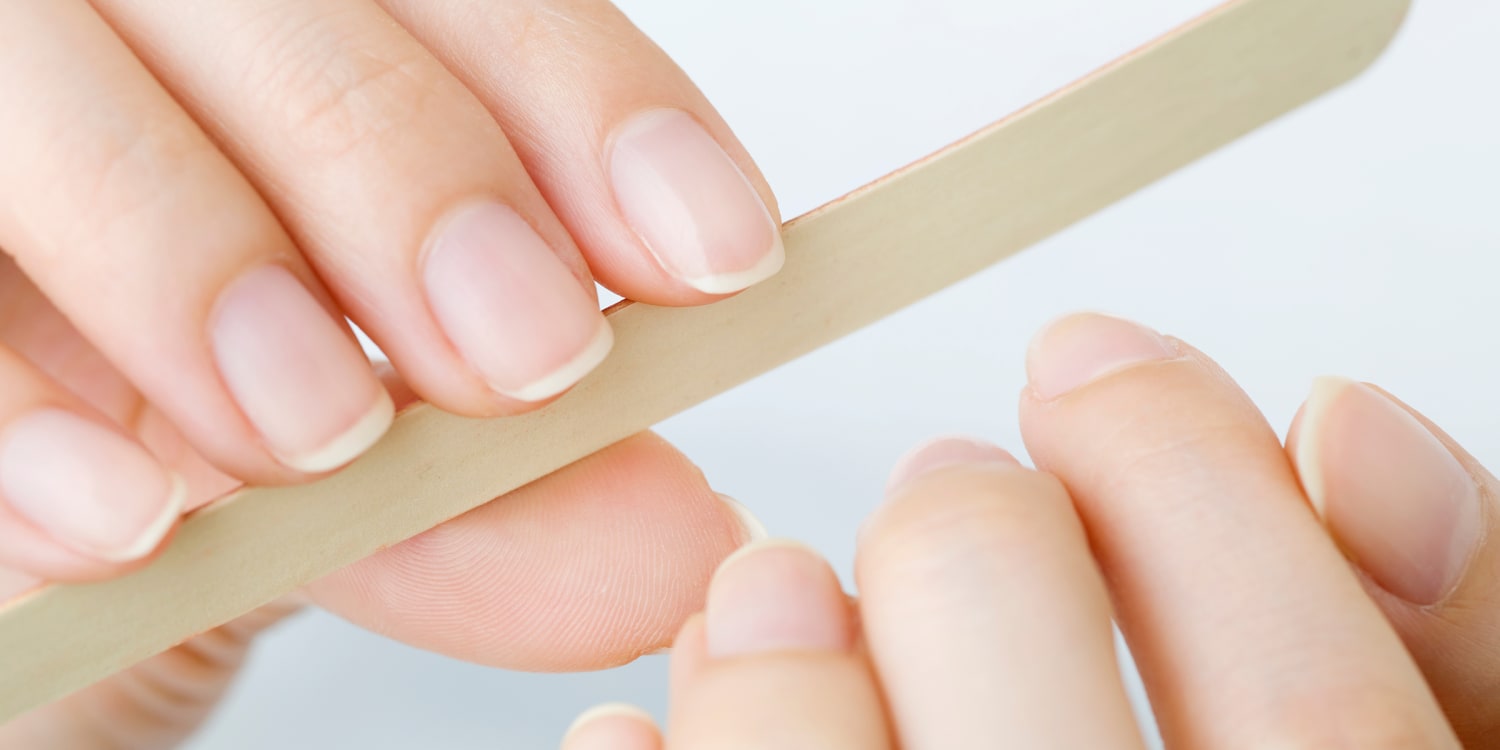
File your nails weekly in one smooth direction using a 240-grit file. Selecting strong nail shapes, such as squoval, rounded, or short oval, distributes daily physical pressure evenly across the keratin plate.
Schedule professional manicure maintenance every 2–3 weeks to ensure accurate plate shaping and precise cuticle care. Licensed technicians identify early edge fissures and micro-tears before they progress into complete breaks.
Use Cuticle Oil Daily
Daily application of cuticle oil nourishes the proximal nail matrix where new keratin cells form. Regular application of lipid treatments containing jojoba oil, sweet almond oil, or vitamin E preserves moisture balance and stops brittle cracking.
Massage 1 drop of oil into each cuticle and periungual skin fold every evening before bedtime. This nightly stimulation improves local blood circulation and allows deep overnight moisture absorption. Consistent use produces visible improvements in plate flexibility within 2–3 weeks.
Select specialized cuticle formulas that combine cold-pressed plant oils with antioxidant vitamins. Quality botanical oils penetrate through dense keratin layers faster than mineral-oil household substitutes.
Avoid Excessive Exposure to Water
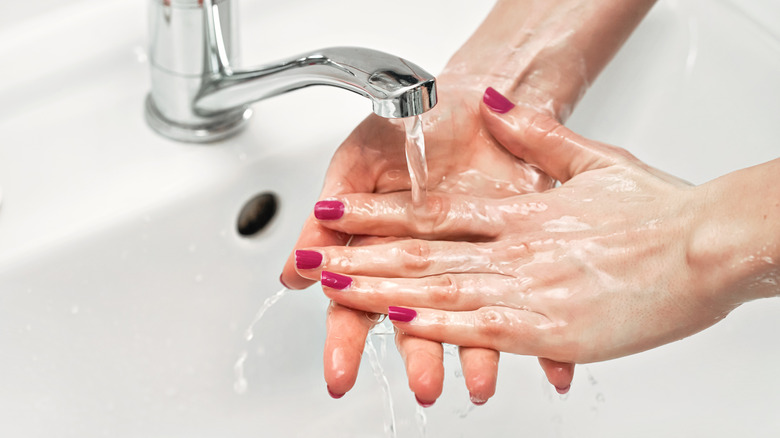
Excessive exposure to water expands and softens keratin layers, creating structural weakness that leads to splits and delamination. Wear protective waterproof gloves during wet household chores lasting more than 15 minutes, such as washing dishes, scrubbing surfaces, and handling laundry detergents.
Hot water causes greater lipid stripping than lukewarm water. Limit hot showers to 10 minutes maximum, and avoid soaking your hands in hot water unnecessarily.
Apply a hydrating hand moisturizer immediately after every water exposure to restore lost surface lipids. Formulations containing barrier-restoring ingredients, such as ceramides, glycerin, and dimethicone, deliver optimal moisture barrier protection.
Add a Hardener to Your Routine
Nail hardeners fortify thin, flexible plates prone to bending and edge splitting. Formaldehyde-free formulas reinforce natural keratin without causing the excessive brittleness associated with harsh cross-linking chemicals.
Apply hardener as a protective base coat underneath regular lacquer or wear it alone on bare plates. Standard application regimens involve applying 1 coat daily for 7 days, followed by twice-weekly maintenance applications.
Professional-grade hardeners contain hydrolyzed proteins, calcium pantothenate, and polymer complexes that integrate directly into the plate matrix. Strengthening improvements appear within 7–10 days of consistent use, with peak reinforcement achieved after 3–4 weeks.
Common Causes of Breakage
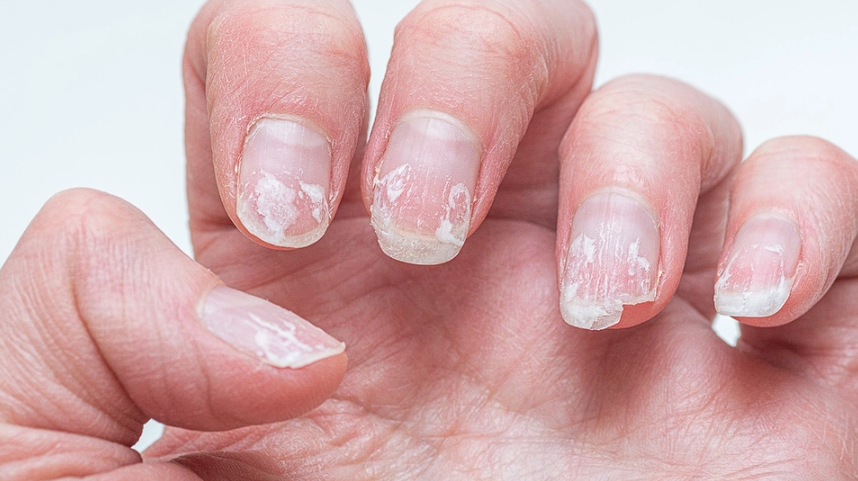
Fingernail breakage occurs primarily from mechanical trauma, frequent chemical exposure, improper enhancement removal, and nutritional deficiencies. Identifying underlying peeling nails causes provides critical diagnostic context for restoring long-term plate health.
Repetitive habits, such as nail biting, edge picking, and prying open metal cans, introduce micro-fractures that widen under physical tension. Professional protective overlays combined with conscious habit modification help shield damaged edges during recovery.
Forceful peeling or scraping of gel and acrylic enhancements strips the superficial dorsal keratin layer, thinning the plate significantly. Proper removal requires full acetone soaking and gentle wooden-stick pushing to protect natural nail thickness. Fingernails grow about 3.47 mm (0.14 in) per month, meaning thinned areas take several months to regenerate fully.
Systemic nutritional deficiencies in essential micronutrients, such as biotin, dietary protein, and iron, compromise nail matrix cell division and plate density. Healthcare professionals evaluate nutritional status through targeted blood panels and prescribe appropriate therapeutic supplementation.
Chemical exposure to household cleaning products, concentrated detergents, and industrial solvents dissolves natural protective sebum. Wearing lined rubber gloves and limiting solvent contact protects natural nails against cumulative chemical dehydration and brittleness.
When to Call a Professional: MobileNailNewyork’s At-Home Service in New York
Severe nail fractures extending below the free edge require licensed professional care to prevent infection and structural complications. Licensed technicians evaluate trauma severity and determine whether a cosmetic reinforcement or a medical referral is appropriate.
Nailuxe, a mobile nail service in New York City, delivers licensed nail care directly to your residence, office, or event space across Manhattan, Brooklyn, Queens, The Bronx, and Staten Island—including dedicated mobile nails Staten Island appointments. Every technician holds a New York State Nail Specialty License. All reusable metal implements are steam-autoclaved at 121°C (250°F) for 30 minutes, sealed in indicator pouches, and opened directly in front of you. Technicians carry single-use files and disposable buffers to ensure clinical-level sanitation.
Professional structural solutions, such as single-nail repairs, structured builder gel overlays, and acrylic full sets using EMA-only liquid, restore plate balance and protect natural regrowth for 2–3 weeks. Services remain backed by the Nailuxe 7-Day Care Promise.
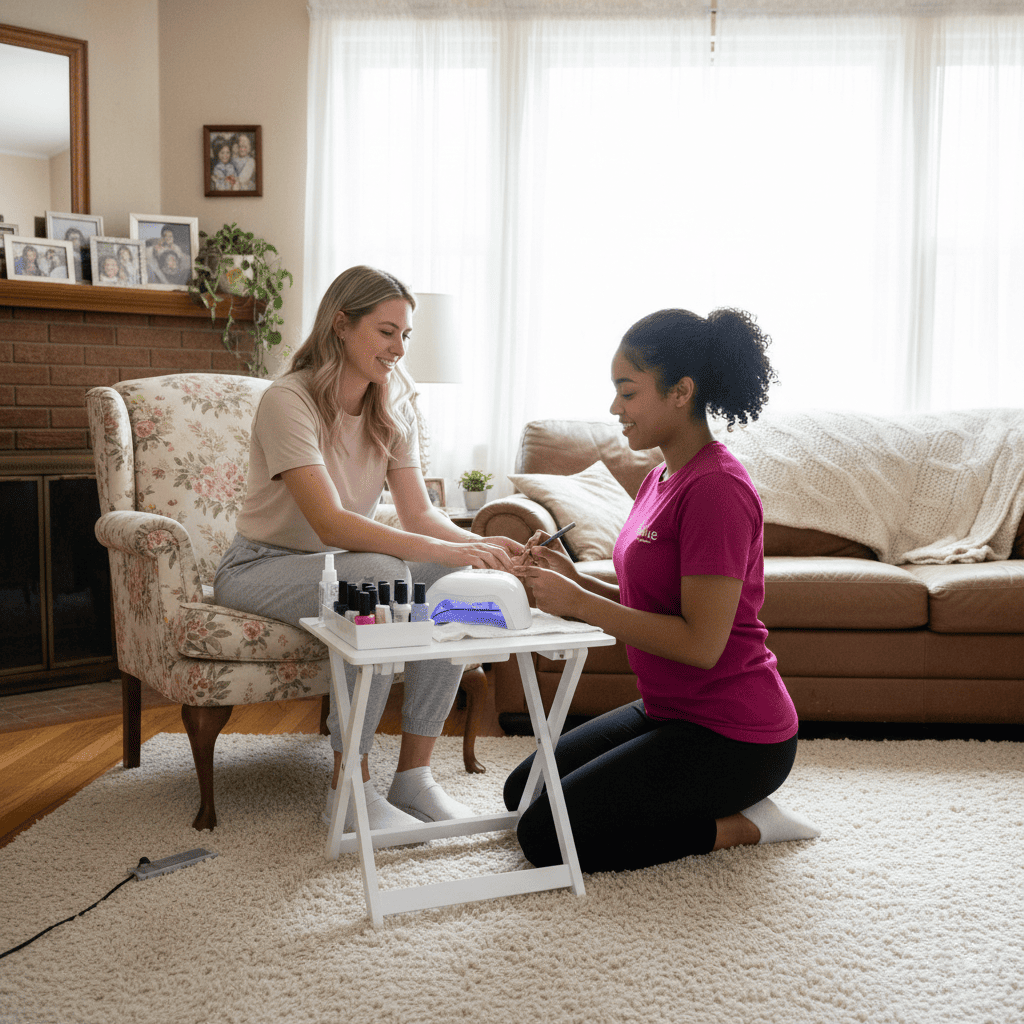
Book your appointment with Nailuxe to enjoy safe, salon-grade nail care in the comfort and privacy of your New York City space.
Nailuxe Contact and Booking Details:
- Brand: Nailuxe
- Operations Base: 191 Hancock St, Brooklyn, NY 11216, United States (no walk-in service)
- Hotline: +1442-555-4022
- Email: [email protected]
- Website: https://mobilenailnewyork.com
- Hours: 07:00–21:00 (7 AM–9 PM), Monday to Sunday
- Service Area: Manhattan, Brooklyn, Queens, The Bronx, and Staten Island
