

Maintaining polished, healthy nails requires an optimal manicure schedule tailored to your individual lifestyle and nail biology. The ideal frequency for professional hand care depends on your natural nail growth rate, daily occupational demands, and enhancement type. Understanding these variables helps you build a balanced routine that protects your cuticle seal, strengthens the natural nail plate, and ensures lasting aesthetic appeal.
Your appointment schedule directly influences both appearance and long-term nail plate health. Excessively frequent appointments risk thinning your nail layers through over-processing, whereas spacing visits too far apart leads to cuticle fraying, structural stress fractures, or enhancement lifting.
The Ideal Manicure Frequency: A Quick Guide
Determining your ideal manicure frequency depends on the specific enhancement system, chemical formulation, and expected wear time. Each nail application provides a distinct lifespan that dictates how often professional maintenance is required to protect natural nail health.
For a Regular Polish Manicure
A regular polish manicure lasts 5 to 7 days on fingernails before natural tip wear or minor chipping begins. Traditional lacquer air-dries without an LED curing lamp, making it susceptible to friction from keyboard typing, household chores, and frequent hand washing. Scheduling a professional regular polish manicure every 1 to 2 weeks preserves a groomed appearance while supporting cuticle conditioning.
This traditional formula suits individuals who enjoy changing shades frequently or who prefer non-acrylate nail coatings. Because regular lacquer requires no nail surface etching, it preserves your natural nail plate layers between visits.
For Gel or Dip Powder Manicures
A gel manicure lasts 2 to 3 weeks on fingernails without chipping, fading, or losing high-gloss shine. Curing each layer under a 48 W LED lamp creates a resilient cross-linked polymer shield that withstands daily physical tasks. Nail technicians recommend scheduling gel appointments every 2 to 3 weeks to prevent cuticle regrowth gaps and edge lifting.
Dip powder manicures provide 3 to 4 weeks of durable wear by binding fine polymer powder with resin and activator liquid without light curing. Poured hygienically from a single-use cup rather than a shared jar, dip powder reinforces weaker natural nails and supports active routines.
For Acrylic Nails
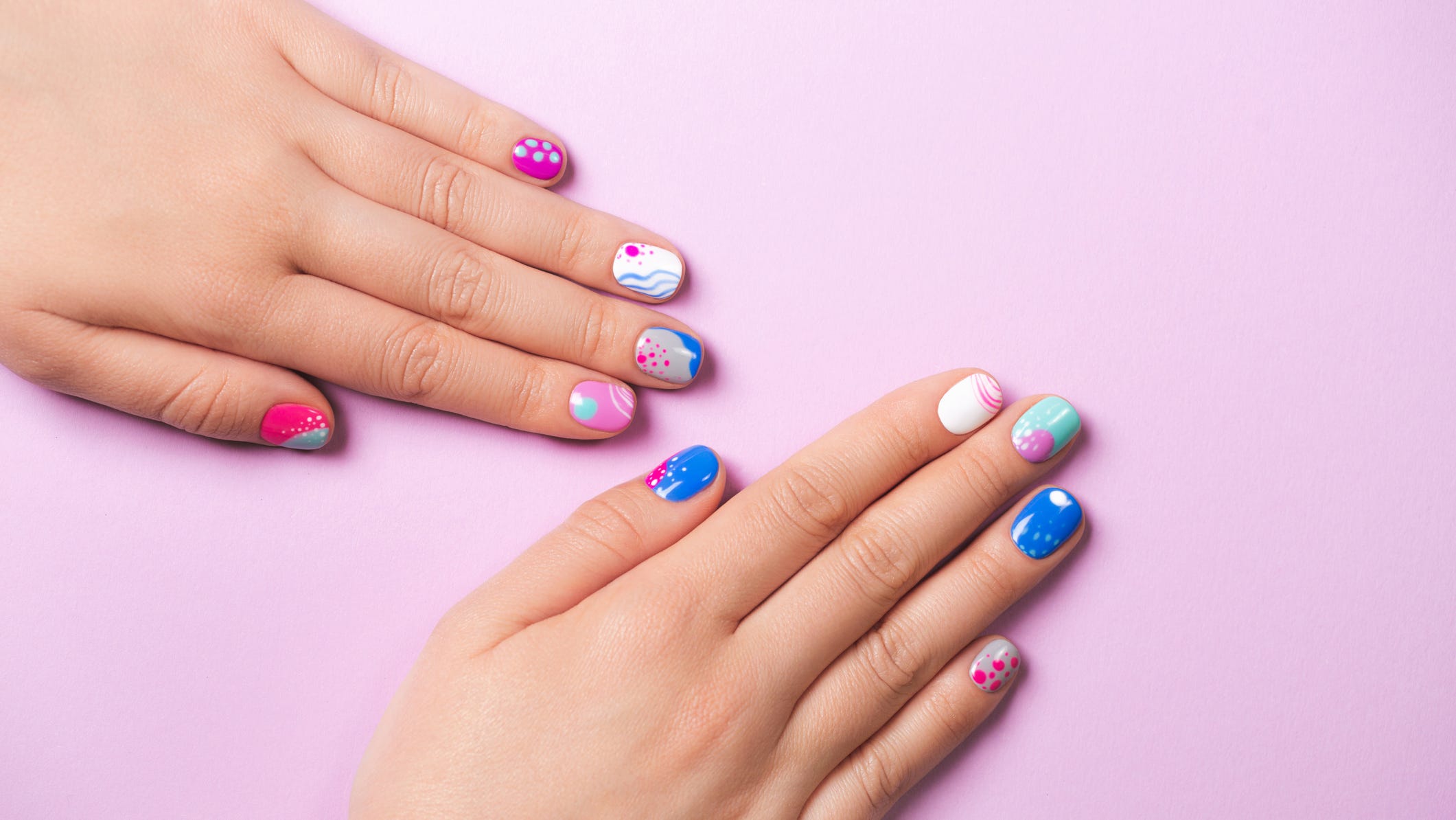
Acrylic enhancements require a fill-in appointment every 2 to 3 weeks to rebalance the apex over natural regrowth. Human fingernails grow an average of 3.47 mm (0.14 in) per month, creating a visible cuticle gap after 14 days that shifts the enhancement’s structural balance point. Prompt maintenance fills prevent mechanical stress cracks, edge lifting, and bacterial moisture entrapment beneath artificial tips.
A full set replacement is generally recommended every 6 to 8 weeks, depending on overall plate condition and natural adhesion. Licensed technicians sculpt enhancements using safe ethyl methacrylate (EMA) liquid monomer and perform gentle acetone soak-off removals to protect the natural nail bed.
Factors That Influence Your Manicure Schedule
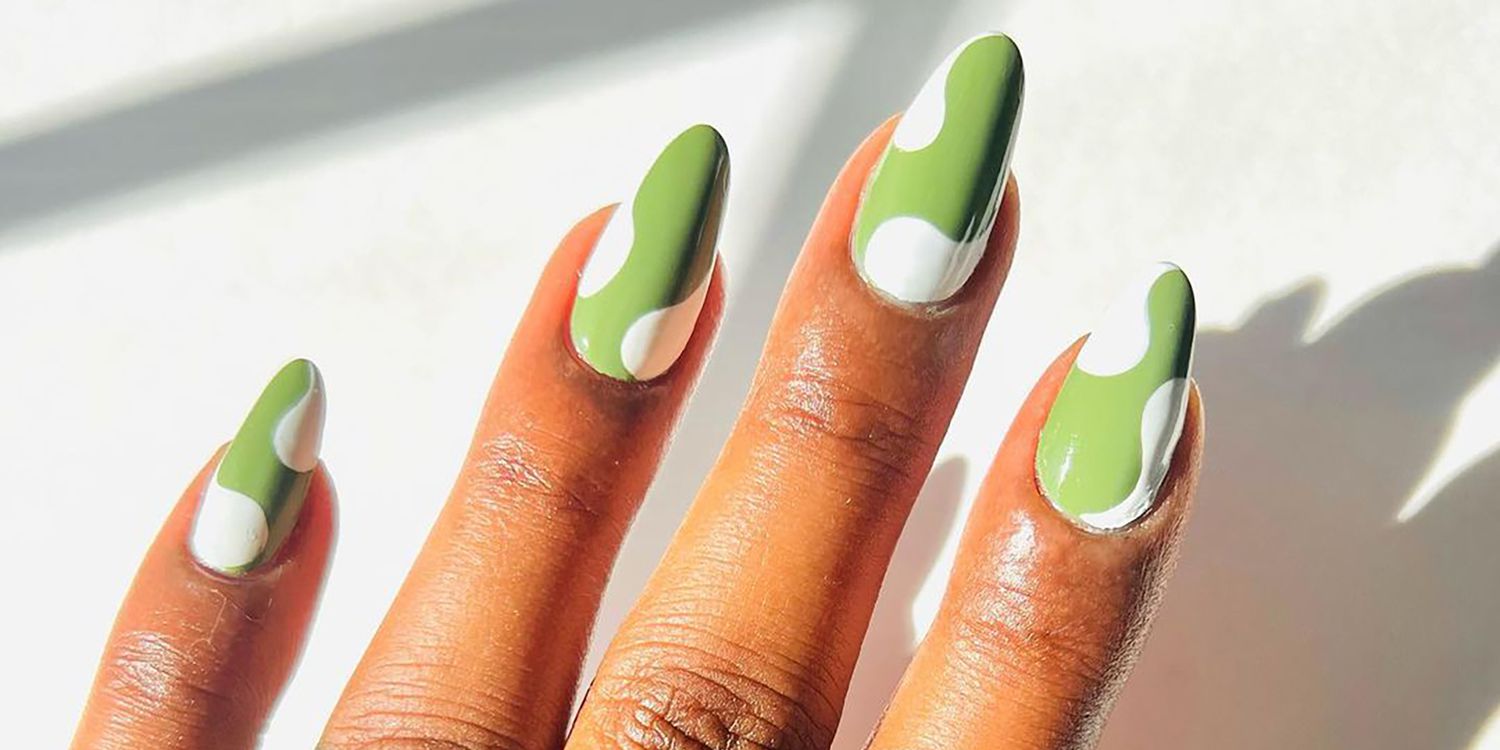
Your personal manicure schedule depends on individual biological growth rates, daily occupational demands, and at-home maintenance habits. Evaluating these three primary factors enables you to establish a tailored routine that balances cosmetic longevity with natural nail integrity.
Nail Growth Rate and Health
Human fingernails grow an average of 3.47 mm (0.14 in) per month, creating varying maintenance needs across individuals. Age, genetics, systemic nutrition, and seasonal changes directly influence cell turnover in the nail matrix. Clients with faster growth require appointments every 2 weeks to manage length and prevent snagging.
Pre-existing nail conditions also dictate service intervals. Brittle, peeling, or ridged nail plates benefit from structured builder gel or fortifying treatments every 2 weeks, while strong natural nails can extend to 3 weeks. Technicians examine the nail bed for abnormalities such as discoloration or thinning to recommend the safest service frequency.
Lifestyle and Daily Activities
Daily physical activities and workplace environments directly dictate how quickly manicure enhancements experience mechanical wear and lifting. Desk-based professionals navigating computers and digital devices experience minimal impact, whereas manual labor, frequent gym training, or gardening accelerates edge chipping.
Occupations requiring frequent handwashing or chemical exposure—such as healthcare, hospitality, and education—dehydrate nail keratin rapidly. Professional New Yorkers who require immaculate grooming for corporate presentations, media appearances, and client meetings often maintain strict biweekly appointments to keep hands camera-ready.
At-Home Manicure Maintenance
Diligent home nail care extends the lifespan of professional manicures by up to 7 days while protecting periungual skin. Applying nourishing jojoba-based cuticle oil nightly hydrates the proximal nail fold and keeps enhancements flexible against accidental impacts. Reviewing actionable strategies on how to make a manicure last longer helps protect your nail investment between visits.
Wearing cotton-lined rubber gloves during household cleaning shields manicures from harsh detergents and hot water that weaken adhesive bonds. Reapplying a clear top coat every 3 to 4 days refreshes gloss and seals vulnerable free edges against premature chipping.
Benefits of Regular Manicures for Cuticle Health
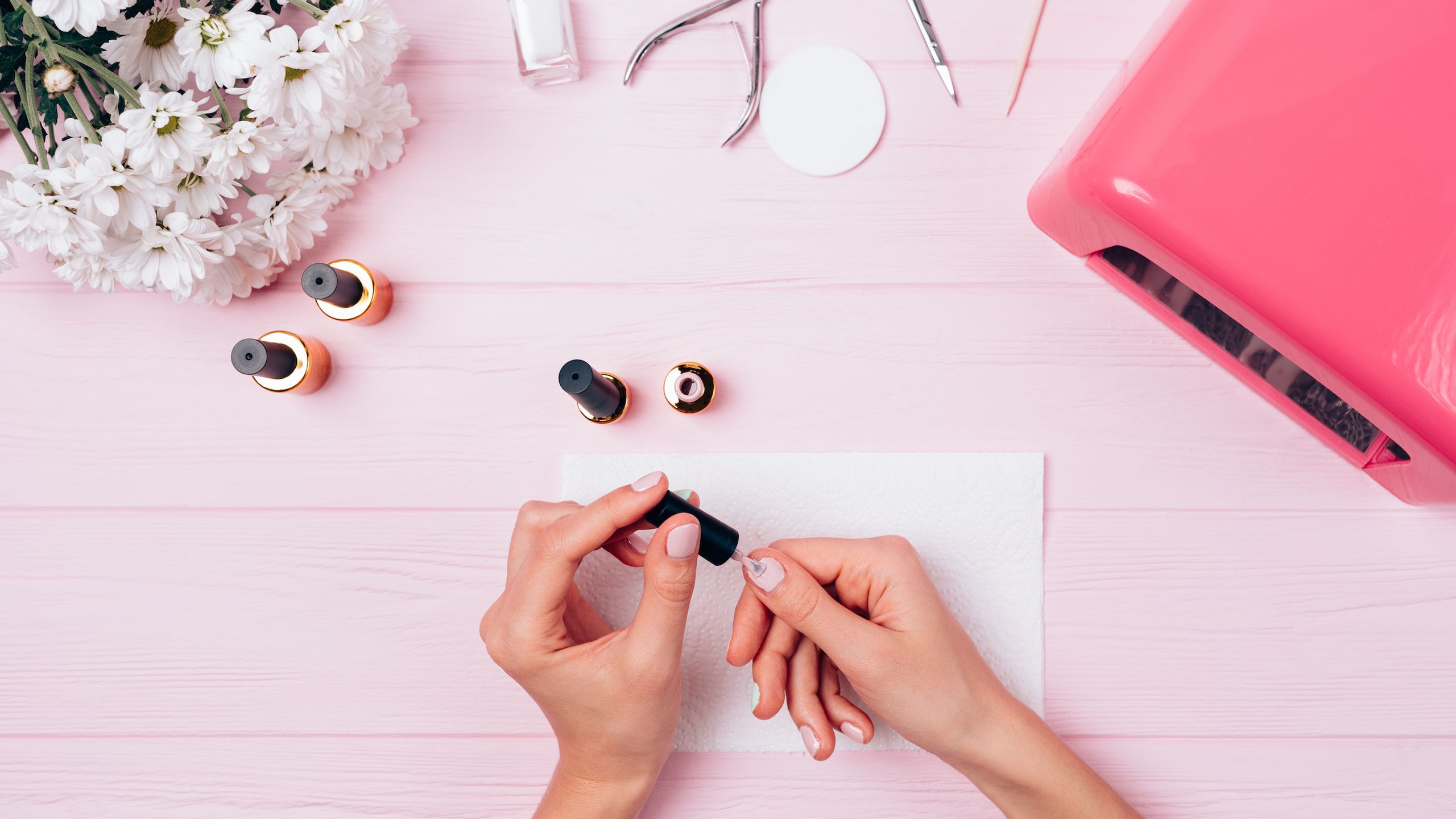
Regular professional manicures maintain cuticle integrity, stimulate peripheral circulation, and protect the nail matrix from environmental infection. The cuticle functions as a protective biological seal preventing bacteria from entering the germinal nail matrix beneath the eponychium.
Licensed technicians gently soften and push back non-living tissue on the nail plate, trimming only loose hangnails rather than cutting living skin. Precision shaping with single-use files prevents painful ingrown edges, while conditioning hand massages relieve muscle tension and combat dry New York seasonal climates.
Consistent professional appointments also enable early identification of nail abnormalities, paronychia, or fungal concerns before complications develop. Technicians provide safe cosmetic guidance and refer clients to board-certified dermatologists or podiatrists whenever medical evaluation is warranted.
Can You Get Manicures Too Often? Understanding Risks
Excessive manicure frequency risks thinning the natural nail plate, dehydrating cuticles, and triggering contact allergies from overexposure to chemicals. Over-manipulating periungual skin or aggressive mechanical filing strips protective keratin layers faster than natural regeneration can occur.
Frequent or improper gel and acrylic removals using prolonged acetone exposure without sufficient recovery dehydrate the nail bed, resulting in brittle peeling. Peeling artificial coatings off natural nails rather than performing a 10 to 15-minute acetone soak tears away dorsal nail layers.
Repeated exposure to low-quality monomers or improper UV curing can induce allergic contact dermatitis or acrylate sensitivities. Taking scheduled enhancement breaks and applying fortifying keratin conditioners allows natural nails to restore optimal lipid and moisture balances.
How MobileNailNewyork Creates Your Perfect At-Home Manicure Schedule
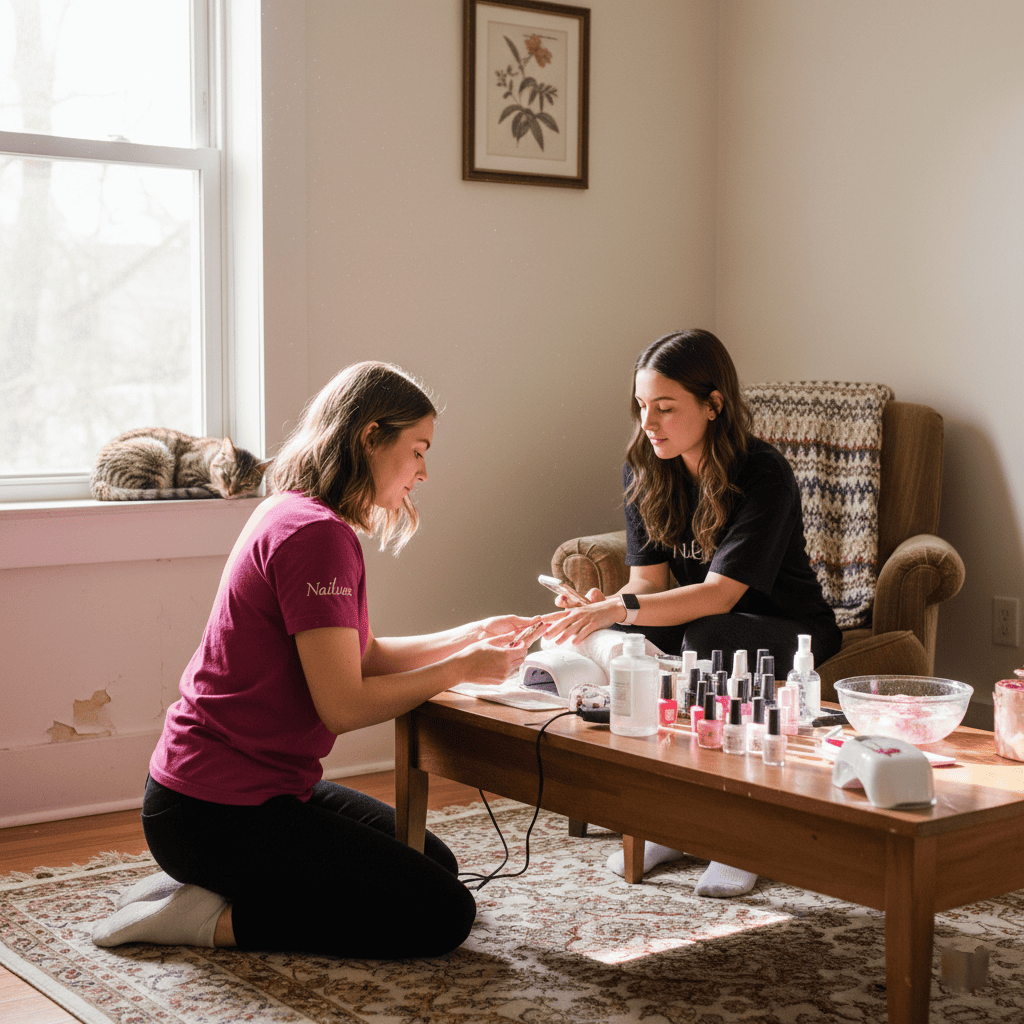
Nailuxe, a mobile nail service in New York City, transforms the at home manicure nyc experience by delivering licensed, salon-grade nail care directly to your home. Technicians assess your natural nail condition during each appointment to design a customized maintenance calendar that fits your lifestyle.
Operating across Manhattan, Brooklyn, Queens, The Bronx, and Staten Island, Nailuxe eliminates salon transit and waiting times. Whether booking at home nails staten island or a manicure in Manhattan, appointments run from 07:00 to 21:00 (7 AM–9 PM), seven days a week. Every technician holds a New York State Nail Specialty License, carries hospital-grade steam-autoclaved tools at 121°C (250°F) opened in front of you, and uses single-use files and non-toxic formulations.
Tips For Maintaining Your Nails Between Manicures
Adopting consistent after manicure care prolongs polish longevity and preserves cuticle hydration between appointments. These preventative techniques maximize your nail investment and keep natural plates resilient.
Moisturize hands daily with rich creams containing shea butter, glycerin, or hyaluronic acid, and massage cuticle oil nightly into the nail fold. Incorporating hydration into your weekly nail care routine prevents hangnails and flaking skin.
Protect hands from cleaning solutions and submerged water by wearing protective household gloves. Practice proper edge maintenance by filing nail shapes in one fluid direction from edge to center rather than using rough sawing motions. Applying a fresh layer of top coat every 3 to 4 days seals the free edge and extends gloss.
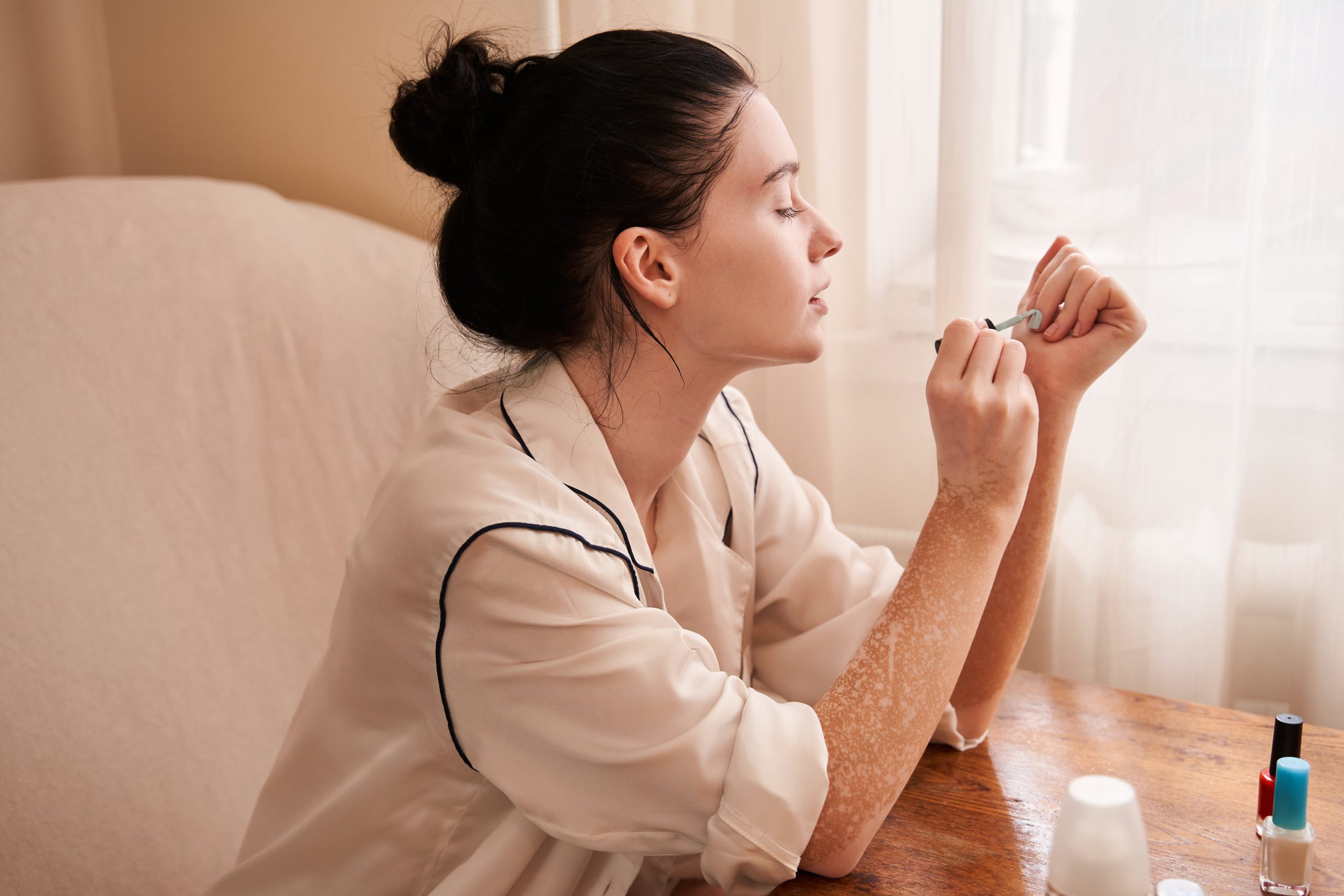
How Often Should I Get a Manicure If I Have Weak Nails?
You should schedule professional manicures every 2 to 3 weeks if you have weak or brittle nails. Licensed technicians apply strengthening builder gel overlays or keratin protein treatments that reinforce flexible plates while the natural nail grows out. Avoid rough peeling and maintain daily cuticle oil application to accelerate recovery.
Can I Get Manicures During Pregnancy?
Manicures are safe during pregnancy when performed in well-ventilated spaces with non-toxic, 3-free polishes. Nailuxe provides low-odor regular polishes and HEMA-free gel options in the comfort of your home, eliminating crowded salon exposure and strong solvent fumes for expecting mothers.
How Do I Know If I’m Getting Too Many Manicures?
Signs of over-processing include noticeable nail plate thinning, increased nail bed sensitivity, persistent periungual redness, and extreme brittleness. If you experience these symptoms, extend intervals between appointments to 3 or 4 weeks and apply intensive keratin strengthening treatments.
Booking Your Next At-Home Nail Service in New York with MobileNailNewyork
New York City living moves fast, and you deserve premium, hygienic self-care without sacrificing valuable personal time. Nailuxe brings a private, salon-grade nail experience directly to your home, apartment, or office.
Book your appointment with Nailuxe today to revitalize your hands with personalized care:
- Brand: Nailuxe
- Operations Base: 191 Hancock St, Brooklyn, NY 11216, United States (no walk-in service)
- Hotline: +1442-555-4022
- Email: [email protected]
- Website: https://mobilenailnewyork.com
- Hours: 07:00–21:00 (7 AM–9 PM), Monday to Sunday
- Service Area: Manhattan, Brooklyn, Queens, The Bronx, Staten Island
Our 24-hour online booking system allows you to secure your preferred technician, date, and service within minutes. Every visit includes a personalized nail health assessment to establish your optimal ongoing maintenance schedule.
