

Skin at the base of your nails serves as a protective barrier that keeps your keratin plates healthy and strong. While many people focus on polishing and shaping their fingers, proper care for this area forms a foundation for any professional-looking manicure. At Nailuxe, a mobile nail service in New York City, our licensed nail technicians have perfected the art of cuticle maintenance and services like an at home pedicure nyc through years of serving busy New Yorkers in the comfort of their homes.
What Are Cuticles and Why is Care Essential for Nail Health?
Understanding the Function of Your Nail’s Base
The cuticle is a non-living, transparent layer of stratum corneum skin that sheds from the underside of the eponychium onto the emerging nail plate. This thin barrier shields new keratin growth from water, bacteria, dirt, and pathogenic microorganisms as the nail emerges from the matrix. The eponychium represents the living, vascular tissue that frames the proximal nail fold, while the true cuticle consists solely of dead cellular material that adheres to the dorsal nail plate. Distinguishing between living tissue and non-living cuticle enables safe at-home maintenance without compromising the protective proximal seal or triggering periungual inflammation.
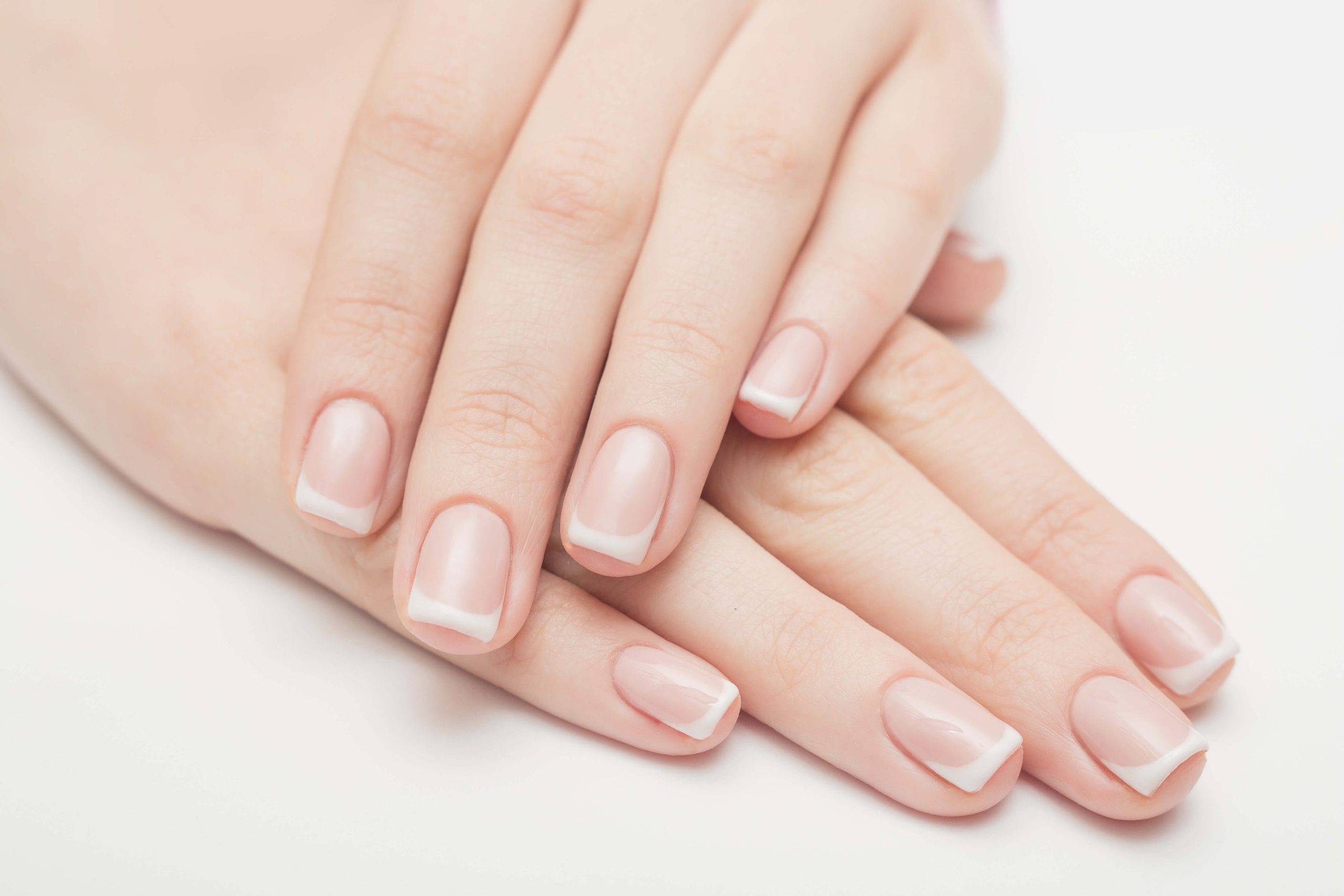
The Dangers of Neglecting Cuticle Health
Neglecting your cuticle perimeter compromises the moisture barrier, creating micro-fissures and entry pathways for bacterial and fungal pathogens. Chronic dryness leads directly to paronychia, an inflammatory infection of the periungual tissue characterized by erythema, swelling, and localized pain. Dehydrated cuticles also split into hangnails, which tear living tissue and bleed when caught on fabric or textured surfaces.
Compromised cuticle health degrades polish adhesion and reduces manicure longevity, which is why learning how to make manicure last begins with systematic moisture maintenance. According to clinical guidance from the American Academy of Dermatology, preserving the proximal cuticle seal lowers the incidence of periungual bacterial infections by up to 70% compared to aggressive cutting or persistent neglect. If swelling, redness, or purulent drainage develops around the nail margin, consult a dermatologist or physician promptly, as cosmetic nail technicians do not treat medical infections.
Essential Care Tips for Your At-Home Manicure
-
Moisturise Daily
Daily moisturizing delivers lipid hydration directly to the periungual skin and nail root, which explains why use cuticle oil remains an essential home care recommendation. Apply a nourishing oil or restorative hand cream containing plant-derived lipids twice daily, specifically once in the morning and once before sleeping. Formulations containing jojoba oil, vitamin E, and sweet almond oil penetrate the nail matrix and periungual folds to prevent cracking and maintain tissue pliability.
Consistent hydration maintains skin elasticity, which simplifies pushing back dead tissue during maintenance visits. Hydrated skin resists tears and prevents painful hangnails from destabilizing the perimeter of your natural nails.

-
Gently Push Back the Skin
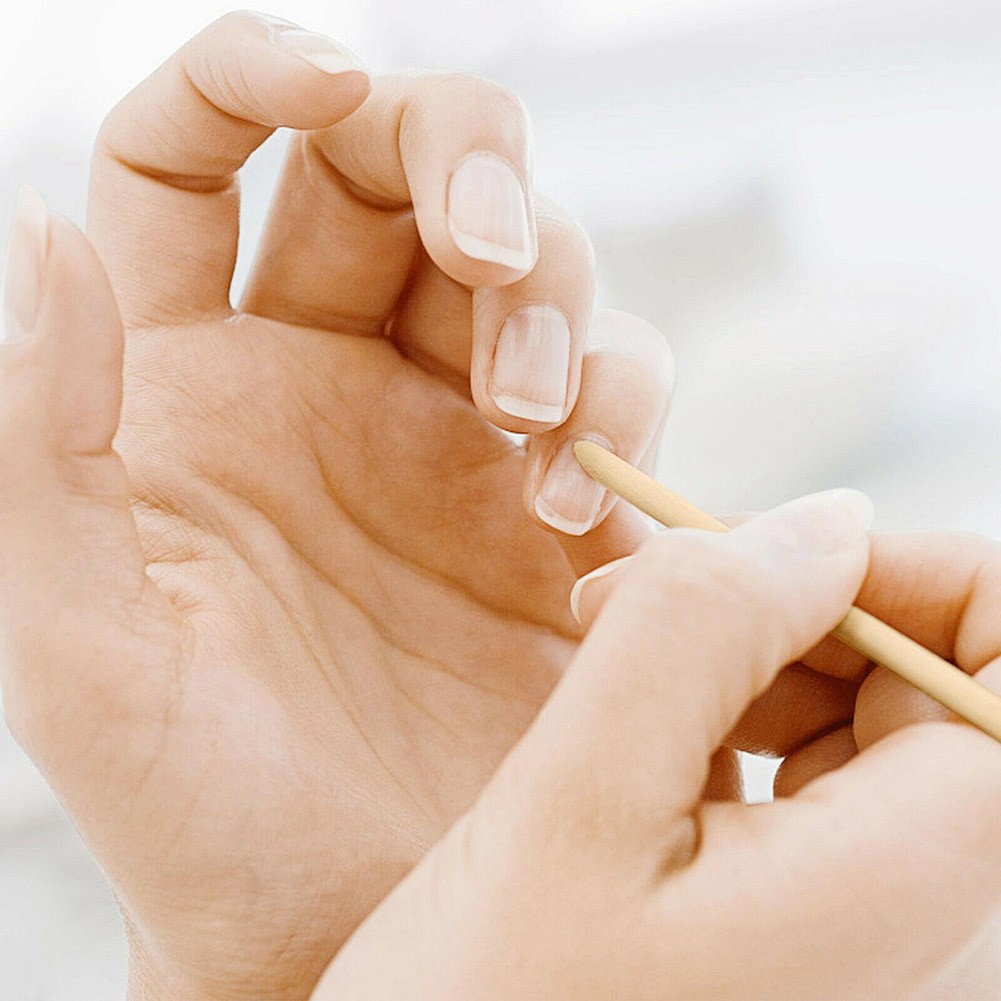
Gently pushing back non-living tissue clears dead cell accumulation from the nail plate while establishing an even perimeter for lacquer or enhancement application. Position an orange wood stick or a beveled pusher at a 45-degree angle against the plate to ease the softened, non-living cuticle toward the eponychium without scraping the dorsal keratin layer.
Perform this technique only when the tissue is thoroughly softened, preferably following a warm shower or a 5-minute soak in warm water at 37–40°C (99–104°F). Glide the tool in gentle, rounded strokes, and cease manipulation immediately if you feel pressure or discomfort.
-
Avoid Cutting Live Tissue
Never cut living skin around the nail fold, as removing the eponychium breaks the protective seal and exposes the nail matrix to opportunistic pathogens. Dermatological consensus strongly warns against trimming living periungual skin because mechanical trauma frequently induces scarring, bacterial paronychia, and uneven nail plate development.
Licensed nail technicians differentiate between non-living cuticle tissue adhering to the keratin plate and the vascular eponychium that protects the root. Preserving living tissue ensures optimal nail architecture while supporting a clean, refined manicure edge.
-
Use an Orange Stick for Gentle Pushing
Orange wood sticks provide an ideal, single-use tool for your at home nail care regimen. The porous, soft wood construction prevents surface gouging associated with rigid metal tools, while the angled tip enables controlled manipulation along curved lateral sidewalls. Disposable wooden sticks also eliminate cross-contamination concerns between grooming sessions.
Dampen the beveled tip of the orange stick with cuticle oil before pushing to cushion tissue contact. Discard wooden sticks after each full manicure session, as split wooden fibers can snag delicate periungual skin.
-
Steer Clear of Harsh Drying Agents
Repetitive exposure to 100% acetone polish removers and unbuffered household detergents strips natural sebum from the cuticle fold, causing dehydration and localized peeling. Select gentle, non-acetone removers for regular polish changes, and apply a restorative lipid treatment immediately following product removal.
Wear protective nitrile or rubber gloves when performing household cleaning, dishwashing, or handling gardening materials. Shielding your hands prevents caustic surfactants and solvents from stripping moisture from your cuticles and natural nail beds.
-
Say No to Biting Your Nails and Skin
Biting the nail perimeter introduces oral flora, such as Staphylococcus and Streptococcus bacteria, into microscopic abrasions around the cuticle seal. This repetitive mechanical trauma causes jagged lacerations, chronic paronychia, and irreversible damage to the underlying nail matrix.
Eliminate biting habits by keeping your hands occupied with stress-management tools, maintaining trimmed nail edges, or applying professional bitter-taste deterrent lacquers. Consistent moisture application also removes rough hangnails that trigger subconscious biting impulses.
-
Choose Your Manicurist Wisely
Professional nail care requires verified licensing, formal anatomical education, and hospital-grade sanitation protocols. Nailuxe brings licensed nail technicians directly to your address across Manhattan, Brooklyn, Queens, The Bronx, and Staten Island, providing specialized mobile services with medical-grade hygiene. If you need traveling services in upper New York City, our specialists provide mobile nails bronx appointments with the same strict standards.
Every Nailuxe technician holds a New York State Nail Specialty License. Metal tools undergo steam-autoclave sterilization at 121°C (250°F) for 30 minutes at our Brooklyn operations base, remain sealed in sterile pouches with color-change indicators, and open exclusively in your presence. Single-use files, buffers, and basin liners are discarded after each visit.
-
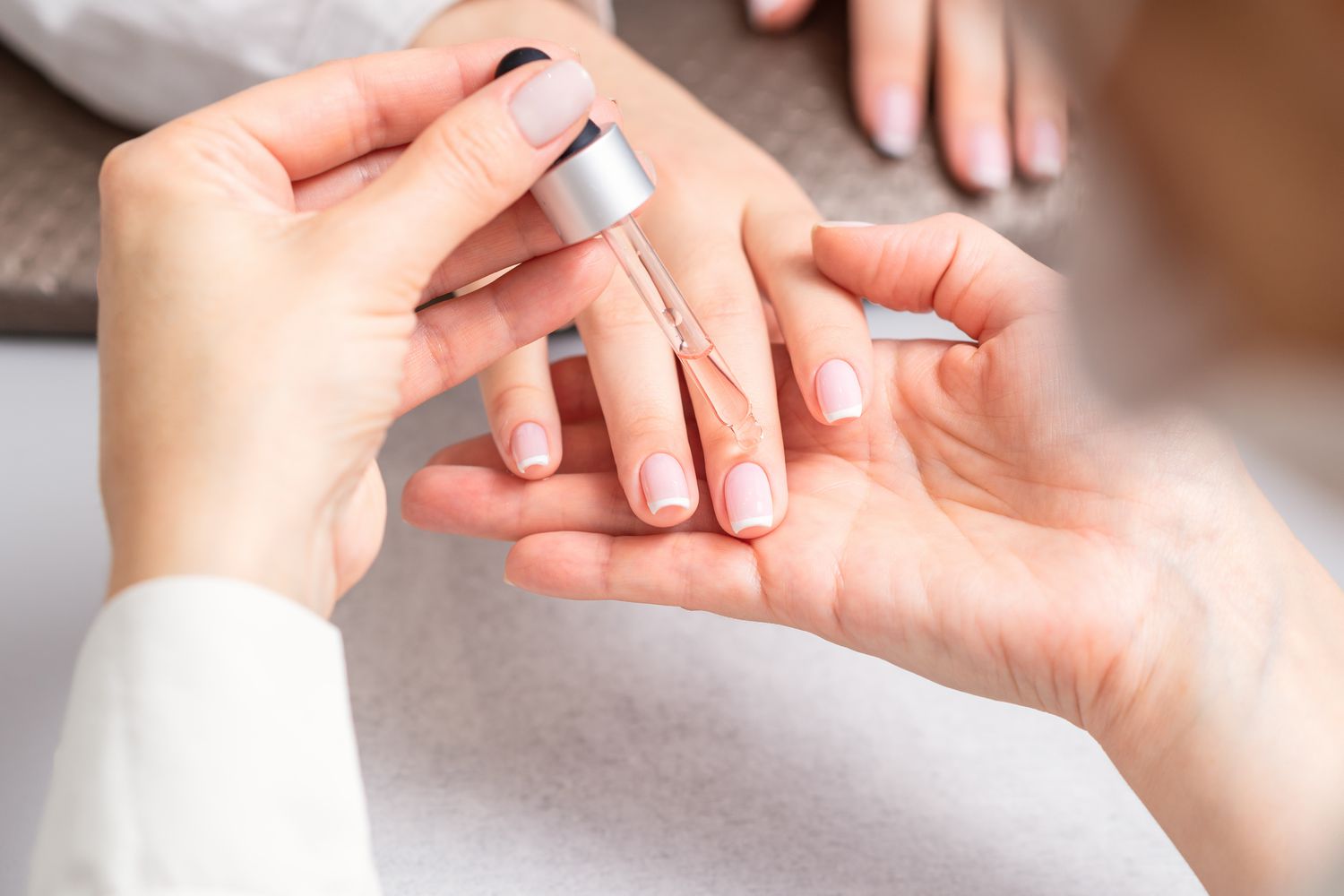
Apply Nourishing Oil and Cream Regularly
Therapeutic cuticle formulations utilize bio-compatible carrier oils and vitamins that penetrate the periungual tissue and nail matrix. Look for ingredient profiles containing jojoba seed oil, argan oil, tea tree oil, and vitamin E to support lipid barrier restoration and tissue repair.
Massage a drop of oil into each nail fold immediately after washing your hands while the skin remains slightly damp to lock in surface hydration. Follow with an emollient cream containing shea butter or glycerin to establish an occlusive lipid shield.
-
Safely Trim Hangnails Only
Trim hangnails exclusively with clean, sharp cuticle nippers when loose, dead tissue pulls away from the sidewall. Never pull, tear, or bite hangnails, as ripping tears into vascular living tissue and generates deep portals for infection.
Disinfect nipper blades with 70% isopropyl alcohol before and after each trimming step. Align the jaw of the nipper flat against the base of the separated dead tissue, squeeze with controlled pressure, and apply a drop of antiseptic or nourishing oil immediately to the site.
-
Incorporate a MobileNailNewyork Recommended Aftercare Routine
Nailuxe technicians recommend a streamlined three-step home regimen between professional appointments: massage jojoba cuticle oil into each nail base morning and night, apply rich hand cream after hand washing, and never peel lifting polish or enhancements. This consistent hydration protects natural nail matrix health and extends manicure longevity across all seasons.
Step-by-Step Guide to a Perfect At-Home Cuticle Treatment in New York
The Right Tools for Professional Prep
Professional home maintenance requires sanitized, specialized tools designed for delicate periungual tissue. Assemble a stainless steel cuticle pusher with a beveled edge, single-use orange wood sticks, precision jaw nippers for hangnails, and 70% isopropyl alcohol for tool sanitation.
Organize your manicure kit with therapeutic jojoba oil, an exfoliating urea or alpha-hydroxy cuticle softener, a 240-grit buffer, and an emollient hand cream. Store all implements in a clean, ventilated container to prevent airborne dust accumulation and maintain hygiene standards between treatments.
Method for Softening and Pushing Back Skin
Begin your cuticle treatment by soaking your fingertips for 5–10 minutes in a bowl of warm water maintained at 37–40°C (99–104°F), adding 2–3 drops of jojoba oil to enhance softness. Pat your hands dry with a clean cotton towel, then apply a droplet of potassium hydroxide or alpha-hydroxy cuticle softener around each nail contour to loosen dead keratin cells adhering to the plate.
Allow the softening solution to sit for 30–60 seconds according to product instructions. Hold your orange wood stick at a 45-degree angle and glide the beveled tip along the perimeter of the nail plate, gently guiding the loosened non-living cuticle back toward the proximal fold one finger at a time.
Applying Moisturisers and Nourishing Products
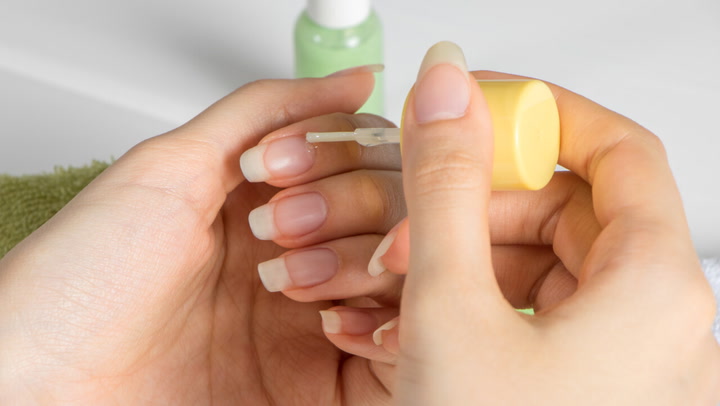
Conclude your treatment with an intensive moisture infusion to replenish lipids removed during the cleansing process. Dispense one drop of cold-pressed cuticle oil onto the base of each nail plate, massaging the product in clockwise circular motions to stimulate local blood circulation in the matrix.
Follow the oil with a pea-sized amount of rich restorative hand cream enriched with ceramides, squalane, or colloidal oatmeal. For deeply cracked winter skin, apply an intensive balm before sleep and wear breathable cotton gloves overnight to accelerate barrier recovery.
Common Cuticle Care Questions Answered by MobileNailNewyork
How Often Should You Perform Cuticle Care?
Cuticle maintenance should be performed every 2–3 weeks as part of a structured manicure routine, complemented by twice-daily oil application. This schedule prevents overgrown pterygium and dry cracking without subjecting the nail root to mechanical over-manipulation. New York residents facing low indoor humidity and cold winter winds often benefit from bi-weekly gentle maintenance to maintain skin flexibility.
Is It Bad to Push Back Your Cuticles?
No, gentle pushing back of non-living cuticle tissue is safe and beneficial when performed on properly softened skin using clean implements. This practice clears accumulated dead skin from the nail plate, improves polish adhesion, and prevents ragged hangnail formation. Cease manipulation immediately if you experience pain or notice skin irritation, and never push against hard, unsoftened tissue.
What Are the Best Products for Dry Cuticles?
The best cuticle oil choices contain natural carrier oils, such as jojoba oil, squalane, and sweet almond oil, which closely match human sebum molecular structures. Avoid products formulated with mineral oil, synthetic fragrances, or high concentrations of denatured alcohol, which dry the periungual border. Professional formulas from reputable manufacturers, including OPI and CND, offer reliable hydration profiles for natural nail recovery.
Can You Use Cuticle Oil on Polished Nails?
Yes, you can and should use cuticle oil on polished nails to maintain skin elasticity and prevent lacquer from turning brittle. Apply the oil around the eponychium and lateral sidewalls, massaging it into the surrounding tissue. Daily oil application preserves natural nail plate flexibility under regular polish, gel, acrylic, and dip powder, preventing premature chipping caused by impact shock.
Nailuxe, a mobile nail service in New York City, brings licensed technicians to your home in Manhattan, Brooklyn, Queens, The Bronx, and Staten Island from 07:00 to 21:00, seven days a week. Your technician opens sterilized tools from a sealed pouch in front of you and works on a protective mat. Book at mobilenailnewyork.com or call +1442-555-4022.
Ready to transform your nail care routine? Contact Nailuxe today to schedule your personalized at-home treatment.
Brand: Nailuxe
Operations Base: 191 Hancock St, Brooklyn, NY 11216, United States (no walk-in service)
Phone: +1442-555-4022
Email: [email protected]
Hours: 07:00–21:00 (7 AM–9 PM), Monday to Sunday
Website: https://mobilenailnewyork.com
