

Knowing how to make manicure last up to three weeks requires disciplined preparation, precise layer application, and consistent daily maintenance. Nail durability begins on the natural nail plate with thorough cleansing, continues with thin and capped coats, and endures through regular hydration. Applying professional methods ensures high-shine wear that resists premature chipping, lifting, and tip wear.
Essential Nail Prep for a Long-Lasting Manicure
Meticulous nail preparation creates the foundation for maximum polish adhesion and eliminates the primary causes of premature peeling. Treating the nail plate, cuticle border, and moisture balance correctly ensures lacquer or gel bonds firmly to the natural keratin surface.
Start with Healthy, Strong Nails
Strong, flexible nails provide a stable foundation that keeps polish from cracking under everyday pressure. Brittle or bending nail plates cause color coats to separate and chip along the stress line.
Strengthen natural nails using keratin- or calcium-infused base treatments applied twice weekly before a color manicure. Maintain nail plate density through balanced nutrition, including biotin and omega-3 fatty acids, while drinking sufficient water daily to avoid dryness and splitting.
File, Don’t Cut Your Nails
Filing shapes the free edge cleanly without producing the microscopic fissures that nail clippers leave behind. Clippers exert sudden compressive force that splinters nail layers, creating weak points where polish quickly chips.
Shape nails using a fine-grit glass or crystal nail file, moving smoothly in one direction from the outer lateral edge toward the center. Maintain a gentle squoval or rounded square shape extending just past the fingertip to balance impact resistance with surface area.
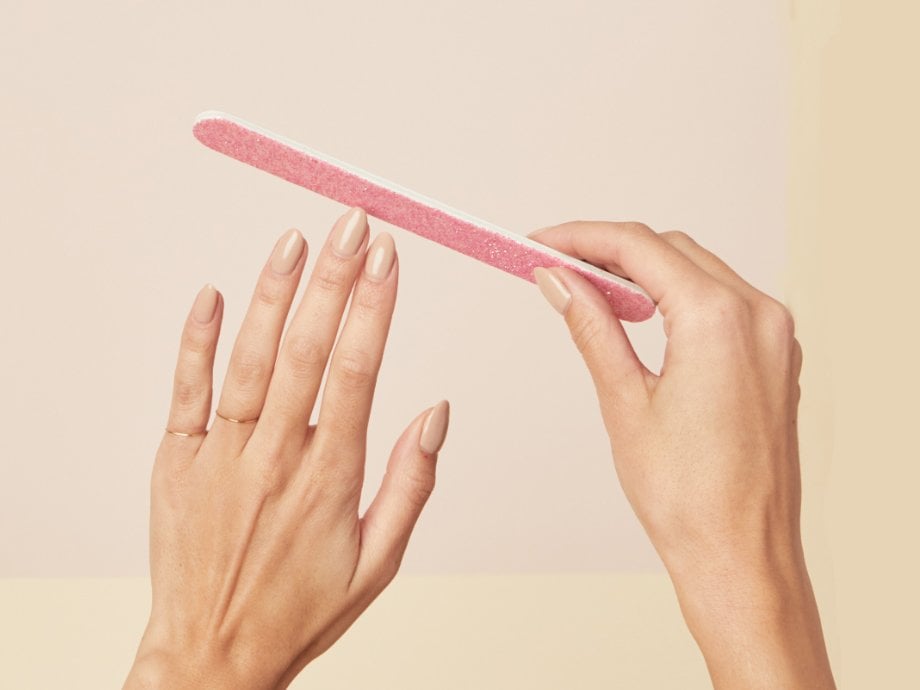
Proper Cuticle and Nail Plate Preparation
Clearing non-living tissue from the nail plate allows base coats to bond directly to the keratin surface instead of lifting away with skin cells. Residual cuticle is one of the leading causes of early manicure separation.
Apply an alpha hydroxy acid cuticle remover for 2–3 minutes (120–180 seconds) to soften stubborn dead skin. Gently push back the eponychium and scrape away the pterygium using an orangewood stick or stainless steel pusher. Buff the nail plate lightly with a fine 240-grit buffer to remove natural surface shine without thinning the dorsal plate.
Ensure Your Nails are Completely Dry and Clean
Natural sebum, hand lotions, and residual moisture prevent base coats from establishing a durable bond with the nail plate. Even microscopic residue compromises adhesion and promotes bubble formation.
Cleanse each nail thoroughly using a lint-free pad saturated with 99% isopropyl alcohol or a professional nail dehydrator. Allow the surface to air-dry completely for 60–90 seconds so all solvents evaporate before applying polish.
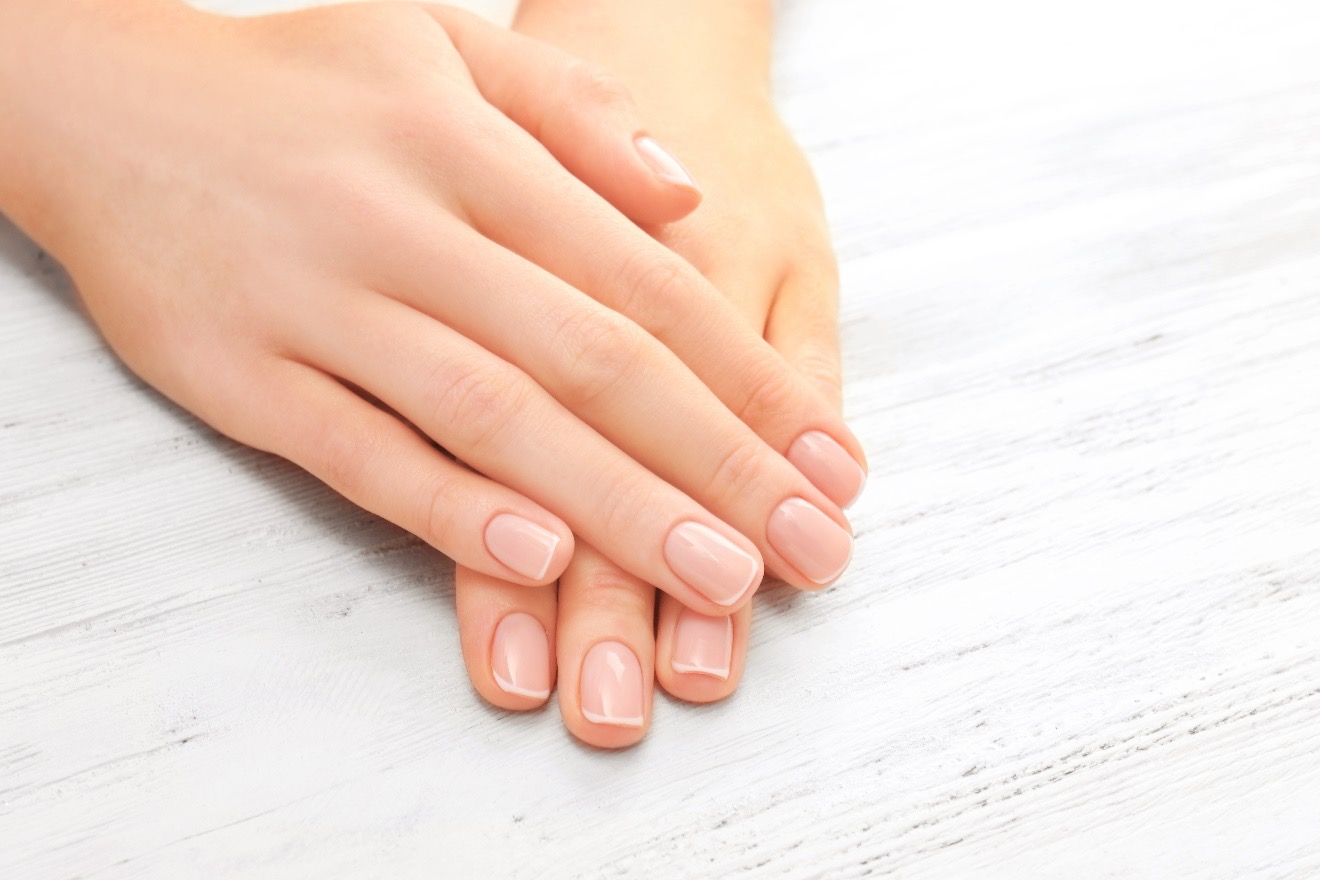
The Flawless Application: MobileNailNewyork’s Secrets for Durability
Careful application technique separates professional, week-long wear from manicures that chip within days. Balancing coat thickness, barrier spacing, and free-edge sealing ensures every layer performs at its highest standard.
Always Apply a Base Coat
A base coat acts as a two-sided bonding agent that grips natural nail keratin while providing a smooth surface for color pigment. Skipping this step leads to immediate adhesion failure and surface staining.
Selecting the best base coat means matching the formula to your nail type: rubberized or strengthening formulas for weak, flexible nails, and ridge-filling bases for uneven surfaces. Apply one thin coat from the cuticle line to the tip, allowing 60–120 seconds of drying time.
Apply Thin, Even Coats of Polish
Multiple thin coats cure and dry more completely than a single thick coat, creating a dense film that resists denting and smudging. Thick layers trap solvents underneath, leading to bubbling and peeling.
Deposit polish using the three-stroke method: place a bead near the center cuticle margin, pull straight to the free edge, and coat each side with steady, light pressure. Apply 2–3 thin layers, waiting 90–120 seconds between coats to build opacity evenly.
Avoid Getting Polish on Your Skin and Sidewalls
Polish touching the surrounding skin creates an unbonded edge that catches on hair and clothing, causing the entire coat to lift. Maintaining a clean border preserves both appearance and wear time.
Leave a hairline 1 mm gap along the cuticle line and lateral sidewalls during application. Immediately clean any accidental skin contact using a precision cleanup brush dipped in pure acetone before the polish dries.
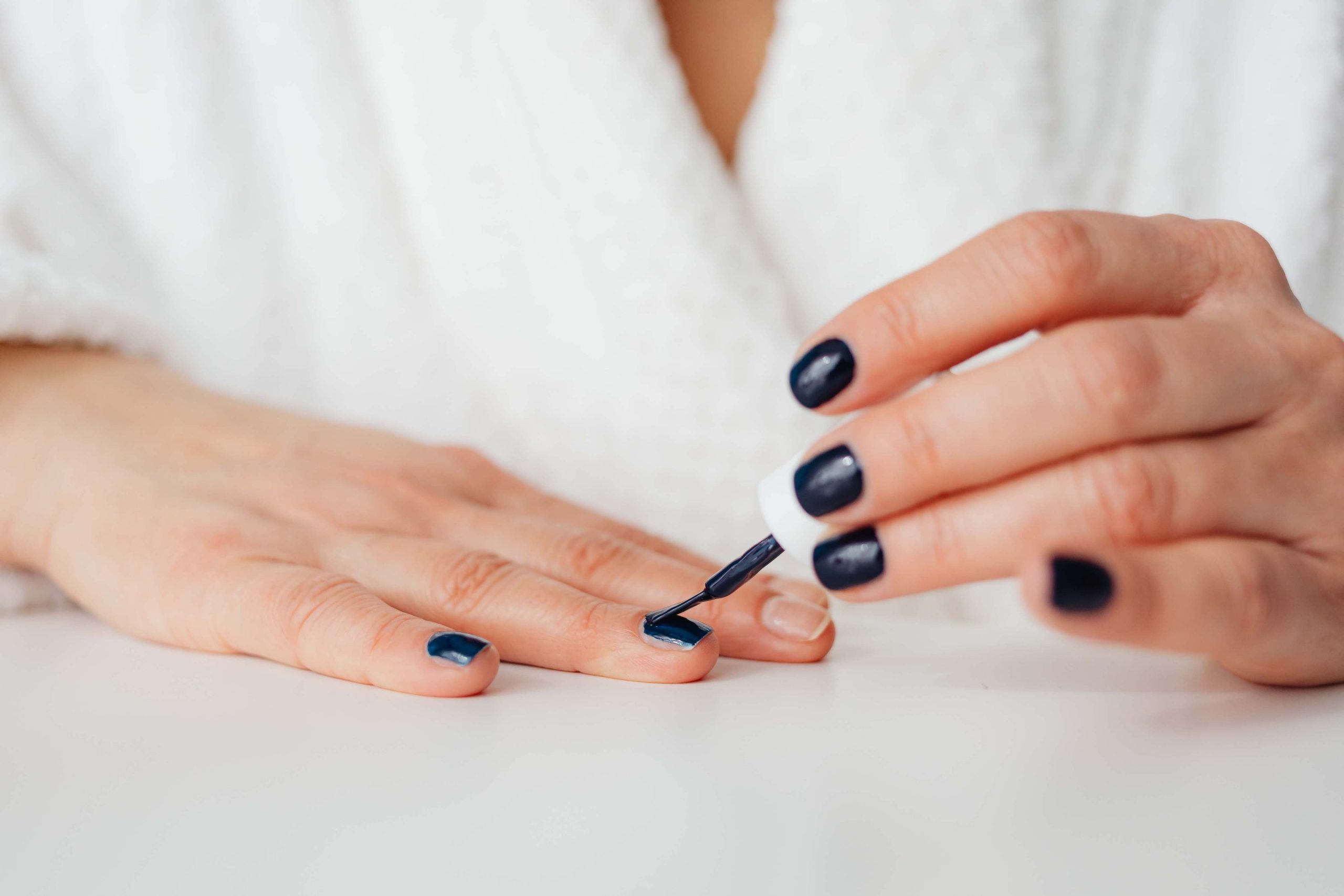
Seal the Edges of Your Nails
Capping the free edge protects the most vulnerable impact point of the nail from water infiltration and everyday friction. The tip is where chipping almost always starts if left unsealed.
Glide the brush tip horizontally along the leading edge of each nail with base coat, color lacquer, and top coat. This technique encases the natural tip in a protective seal that stops water from loosening the polish layers.
Finish with a High-Quality Top Coat
A durable top coat provides the final barrier against scratches, UV discoloration, and mechanical wear. Premium polymers form a flexible, chip-resistant shield essential for a no chip manicure.
Apply one thin, continuous coat across the entire nail plate and cap the free edge. Let the top coat set thoroughly to lock in the color and produce a high-gloss, professional shine.
Daily Habits to Keep Your New York Manicure Pristine
Maintaining a manicure requires simple daily habits that protect polish flexibility and support overall nail plate health. Consistent post-care prevents premature wear from urban daily routines.
Use Cuticle Oil Daily
Cuticle oil delivers deep hydration to the eponychium and nail matrix, keeping the natural nail flexible so it bends without cracking the polish overlay. Dehydrated nails turn rigid and force lacquer to shatter.
Massage 1–2 drops of jojoba-, sweet almond-, or vitamin E-based oil into each cuticle bed every night before sleeping. Nightly application allows the lipids to absorb fully without being washed away by daily handwashing.
Refresh Your Manicure with a Topcoat Every Few Days
Applying a fresh layer of top coat every 2–3 days restores high-gloss shine and reinforces protective polymers over high-wear tip zones.
Sweep a thin coat over clean, dry nails and recap the free edge to reseal hairline cracks before they turn into visible chips. This two-minute maintenance step adds days of wear to an active manicure.
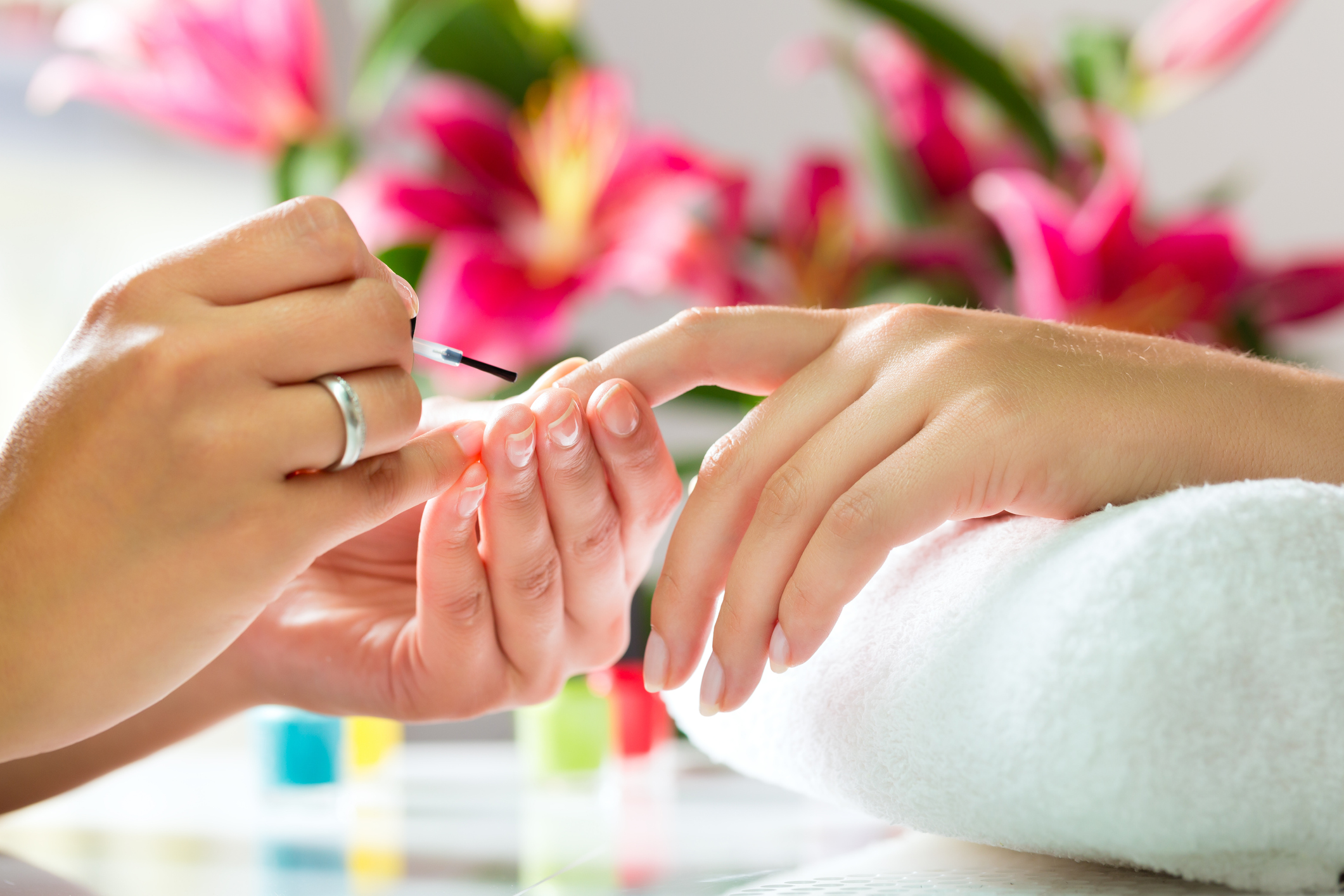
Avoid Hot Water and Harsh Chemicals
Prolonged exposure to hot water expands the nail plate, causing the rigid polish layer to micro-crack and detach as the nail cools and contracts. Water temperatures above 38°C (100°F) also soften polish films.
Keep showers and baths moderate in temperature and avoid soaking hands in hot water. Shield nails from harsh household chemicals, bleach, ammonia, and high-alcohol solutions that strip gloss and dissolve polymer bonds.
Wear Gloves When Cleaning or Washing Up
Protective rubber or nitrile gloves create a physical shield against aggressive detergents, hot dishwater, and abrasive scrubbers. Direct chemical exposure breaks down polish within minutes.
Keep properly fitted cleaning gloves by the kitchen sink and bathroom. Wear them during dishwashing, surface cleaning, and gardening to protect both your manicure and skin barrier.
Don’t Use Your Nails as Tools
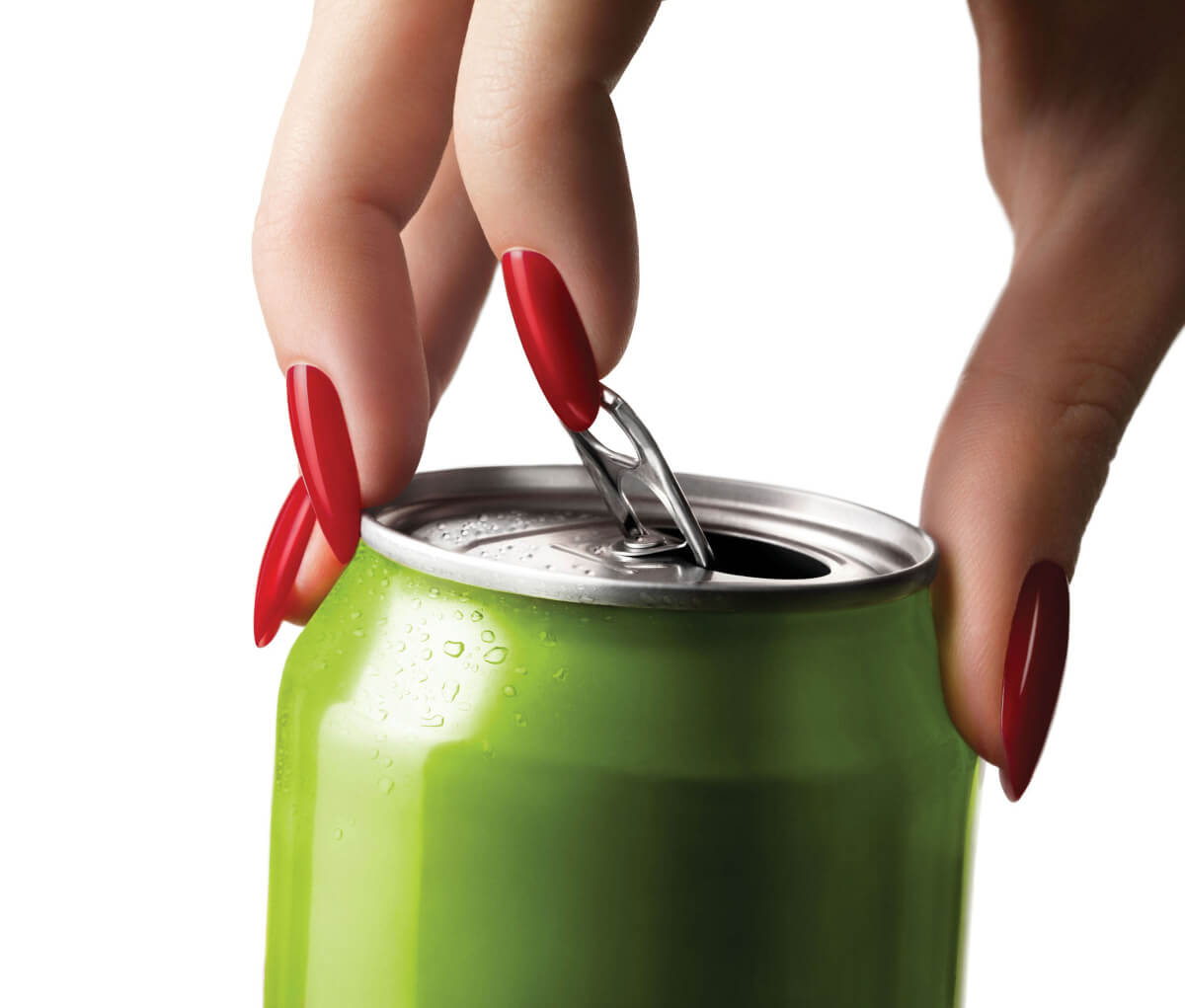
Using fingernails to pry open soda cans, peel labels, or scrape surfaces concentrates excessive mechanical force on the free edge, snapping the polish seal and fracturing the natural nail.
Keep practical tools such as scissors, box cutters, and letter openers easily accessible. Relying on everyday tools instead of your fingertips keeps manicures intact and chip-free.
Avoid Biting or Peeling Off Polish
Peeling lifting polish strips away superficial dorsal keratin layers, leaving natural nail beds thin, uneven, and prone to severe splitting. Damaged nail plates cannot hold subsequent manicures effectively.
When polish begins to lift, remove it gently using a proper non-acetone or acetone remover. Manage stress habits with tactile desk accessories rather than biting or picking at nail borders.
Frequently Asked Questions
How Long Should a Manicure Last?
A professionally applied regular polish manicure lasts 5–7 days, while gel polish lasts 2–3 weeks and dip powder lasts 3–4 weeks. Exact wear time depends on your natural nail growth rate, product formulation, and daily hand habits. Fingernails naturally grow roughly 3.47 mm (0.14 in) per month, which dictates how often manicure appointments are scheduled to maintain balanced, healthy nails.
Does the Type of Manicure Affect How Long It Lasts?
Yes, the type of manicure directly determines wear time, durability, and removal requirements.
- Classic Regular Lacquer: Delivers 5–7 days of wear on fingernails, air-dries naturally, and requires no UV/LED lamp.
- Gel Manicures: Last 2–3 weeks on fingernails, curing under a 48 W LED lamp into a smudge-proof, glossy finish.
- Dip Powder: Wears 3–4 weeks, creating a durable coating using fine polymer powder and resin.
- Acrylic Sets: Provide structural length and durability lasting 2–3 weeks before an infill is required.
Why Choose an At-Home Nail Service in New York for a Lasting Manicure?
An at-home nail service provides personalized care, controlled hygiene, and unhurried application for superior durability. Booking a professional mobile manicure new york appointment allows a licensed technician to prep and coat your nails meticulously in a private setting. This eliminates exposure to crowded salon dust, ensures hospital-grade sterilization protocols, and allows nails to set undisturbed.
Nailuxe, a mobile nail service in New York City, delivers licensed, salon-grade nail care directly to your home, office, or hotel in Manhattan, Brooklyn, Queens, The Bronx, and Staten Island from 07:00 to 21:00, seven days a week. Technicians open steam-autoclaved tools at 121°C (250°F) from a sealed pouch in front of you, using single-use buffers and premium non-toxic formulas. Whether you need executive grooming in Midtown or seamless mobile nails queens, we bring long-lasting beauty to your door.
Book your appointment with Nailuxe today to enjoy pristine, long-lasting nails on your schedule.
- Brand: Nailuxe
- Address: 191 Hancock St, Brooklyn, NY 11216, United States (no walk-in service)
- Phone: +1442-555-4022
- Email: [email protected]
- Website: https://mobilenailnewyork.com
- Hours: 07:00–21:00 (7 AM–9 PM), Monday to Sunday
