

Athletic performance relies on healthy fingernails and toenails to absorb repetitive impact, stabilize fine motor technique, and sustain grip strength. Yet, keratin plate maintenance is frequently overlooked in rigorous training programs. Intensive workouts, weightlifting sessions, and endurance competitions place heavy mechanical stress on both hands and feet. Routine professional care prevents painful structural injuries, protects nail bed integrity, and safeguards athletic readiness.
Nailuxe, a mobile nail service in New York City, brings licensed nail care directly to your doorstep in Manhattan, Brooklyn, Queens, The Bronx, and Staten Island. Every licensed technician provides hospital-grade sanitation and targeted treatments tailored to athletic demands, eliminating the friction of fitting salon visits into demanding training regimens.
Why Nail Care Is Essential For Athletic Performance & Safety
Nail care is essential for athletic performance and safety because healthy keratin plates protect the underlying nail beds, sustain tactile grip, and prevent biomechanical compensations caused by pain. Damaged or neglected nails compromise hand security on equipment, degrade movement mechanics, and cause preventable soft tissue trauma.
Athletes experience nail and digital trauma at rates 40% higher than non-athletes, according to clinical data from the American Academy of Dermatology. Repetitive mechanical pressure from athletic equipment, high-velocity ball contact, and footwear friction create severe localized stresses that require consistent care protocols.
Regular maintenance directly supports physical performance across three primary domains: equipment handling, impact dispersion, and biological barrier defense. Well-trimmed fingernails optimize grip stability for sports requiring manual control, such as weightlifting, gymnastics, rock climbing, and tennis. Proper trimming also prevents painful hangnails and lateral folds from altering joint biomechanics.
For runners, hikers, and field athletes, sound toenail care prevents subungual hematomas, blister formation, and fungal accumulation inside occlusive footwear. Swimmers and water polo players benefit from protective coatings that counteract harsh pool chemicals, preventing plate dehydration and painful longitudinal splitting.
Common Fingernail & Toenail Issues Faced By Athletes
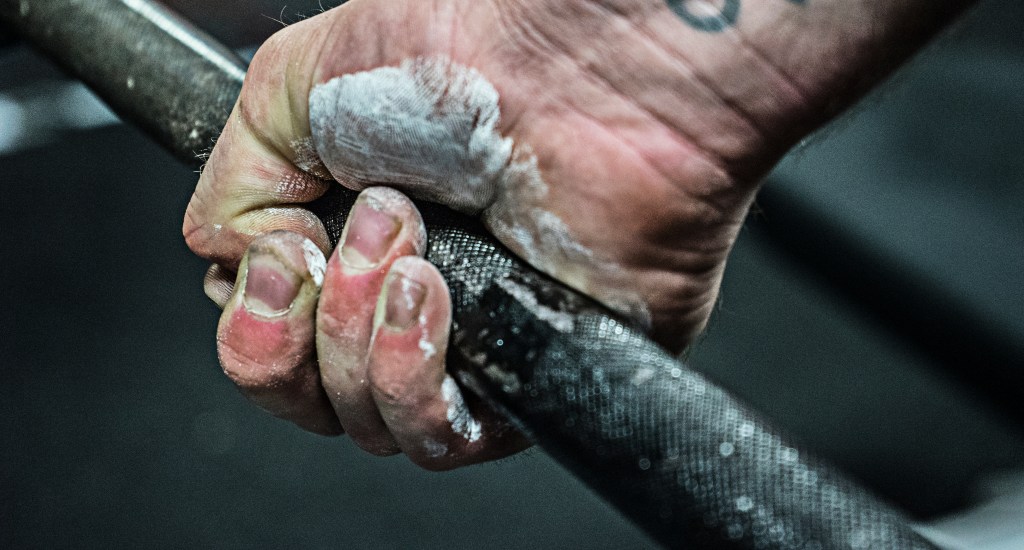
Athletes encounter specific nail conditions caused by intense mechanical friction, moisture buildup, and repetitive impact forces. Identifying these conditions early allows for timely intervention before structural damage disrupts your athletic schedule.
Subungual hematoma and impact injuries occur frequently in contact sports, weightlifting, and martial arts. Repeated blunt force causes bleeding beneath the plate, micro-fractures, and potential plate detachment.
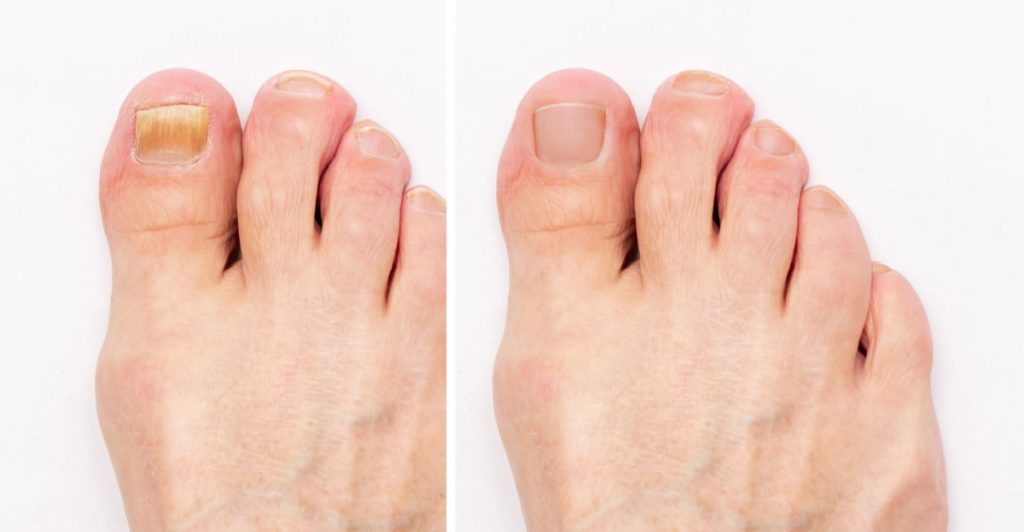
Fungal vulnerability (onychomycosis) develops inside warm, perspiration-soaked athletic shoes and synthetic socks. Runners, soccer players, and endurance athletes face elevated risks, making daily hygiene and dry environments essential.
Ingrown toenails (onychocryptosis) result from improper curved trimming, tight athletic footwear, and downhill running pressure. This condition causes painful periungual inflammation that compromises running gait.
Brittle nails and horizontal splits affect swimmers exposed to chlorinated water and athletes who practice frequent handwashing. Chemical exposure strips protective surface lipids, leaving keratin layers prone to cracking.
Bacterial paronychia develops when torn cuticles or damaged lateral folds become contaminated by gym equipment, communal mats, or athletic chalk. Immediate sanitization prevents spreading infection.
Athletes training in New York City face additional environmental stresses from dry winter indoor heating, seasonal humidity fluctuations, and urban pollutants. Professional mobile care mitigates these local variables through disciplined sanitization and barrier replenishment.
7 Essential Nail Care Tips For Athletes
Keep Fingernails Trimmed and Clean
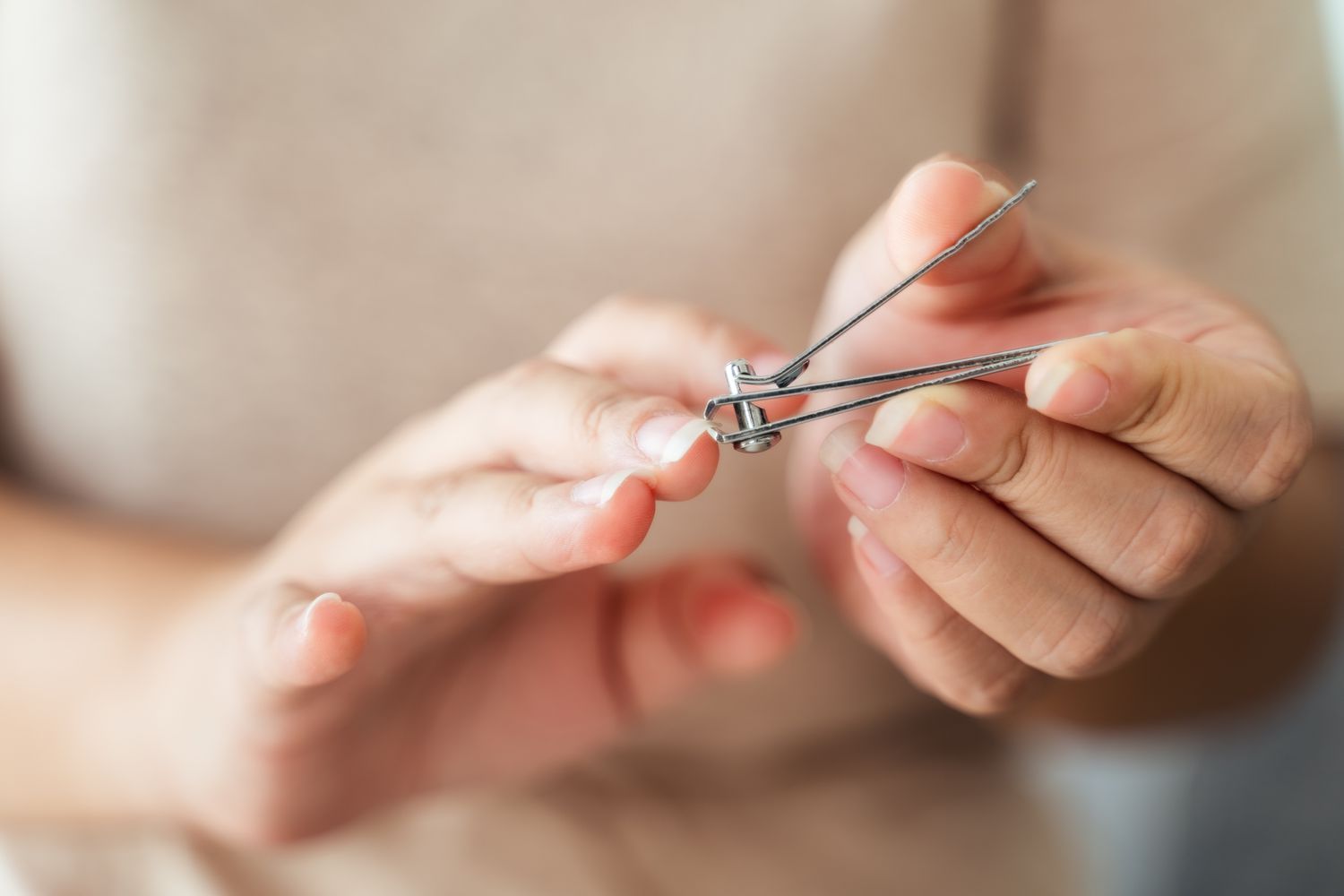
Trim your fingernails straight across every 7 to 10 days to an optimal working length of 1.0 to 2.0 millimeters (0.04 to 0.08 inches) beyond the fingertip. This length shields sensitive distal nerve endings without catching on equipment or bending under load.
File rough edges smoothly with a fine-grit abrasive file, moving in a single direction to prevent delamination. Avoid aggressive side-wall filing, which weakens the natural nail arch.
Clean thoroughly beneath the free edge after every workout using antimicrobial soap, warm water, and a soft-bristled brush. This practice removes chalk, gym residue, and sweat before bacterial colonies develop.
Strengthen from the Inside Out
Keratin plate durability requires balanced protein intake, targeted micronutrients, and consistent systemic hydration. Active athletes should consume 1.2 to 2.0 grams of dietary protein per kilogram of body weight daily from lean poultry, fish, eggs, and legumes to support continuous nail matrix synthesis.
Biotin supplementation of 2.5 milligrams daily reinforces keratin thickness and reduces plate brittleness. Combine biotin with vitamin E, zinc, and omega-3 fatty acids by incorporating specific vitamins for nails into your daily athletic diet.
Maintain consistent daily fluid intake throughout intense training cycles. Dehydration dries out the keratin matrix, making natural plates brittle and prone to painful snapping under stress.
Choose The Right Nail Style For Your Sport
Match your nail shape and protective finish to the physical demands of your primary sport. Selecting the best nail shapes, such as a short round or squoval profile, minimizes snagging and pressure fractures.
Contact athletes in basketball, rugby, and martial arts require ultra-short rounded edges to avoid scratching opponents or catching digits. Strength athletes and gymnasts need short, flat edges that maximize bar contact without pinching fingertip pads.
Swimmers and water athletes benefit from professional gel overlays that form a non-porous seal over natural plates. This durable layer repels water absorption and blocks chlorine penetration during pool sessions.
Protect Fingernails During Training and Competition
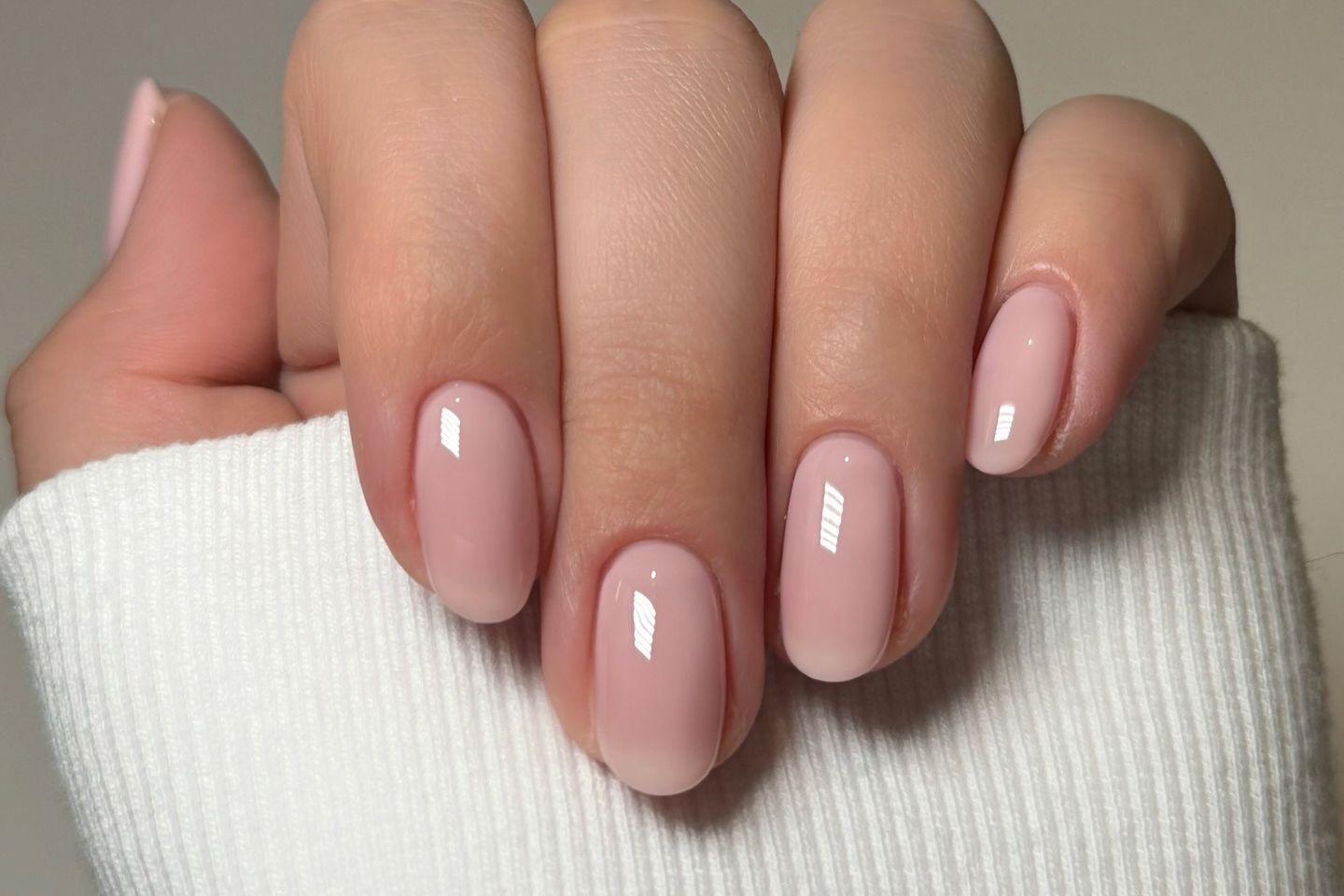
Establish protective pre-training habits before handling heavy athletic equipment. Apply jojoba-rich cuticle oil before workouts to maintain cuticle elasticity, and apply a strengthening base coat to defend against chalk-induced dryness.
Wear sport-specific hand protection whenever possible during training sessions. Padded lifting gloves shield against bar knurling, batting gloves buffer ball impact, and athletic tape reinforces high-friction fingers.
Wash and dry hands immediately after removing athletic gloves. Reapply conditioning oil to replenish natural moisture lost to friction and sweat.
How to Handle Common Damage and Injuries
Address acute nail plate trauma immediately to prevent structural tears and secondary infections. Secure minor cracks with clear polish or a specialized resin wrap until a licensed technician can provide a professional repair.
Keep lifted or partially detached plates clean, dry, and protected under a sterile adhesive bandage. Never pick or rip loose nail material, as prying pulls living nail bed layers and invites pathogen entry.
Monitor subungual bruises and severe trauma closely. Consult a board-certified physician, podiatrist, or dermatologist if you experience throbbing pain, spreading redness, fever, or signs of infection.
The Importance of Manicures for Active Hands
Regular professional manicures preserve skin barrier integrity, tidy non-living cuticle tissue, and correct micro-tears before they disrupt your athletic routine. Licensed specialists spot emerging structural weaknesses early when non-invasive maintenance is most effective.
Athletic manicures prioritize functional resilience over cosmetic decoration. Treatments focus on precise free-edge contouring, eponychium hydration, and keratin-bonding base applications engineered to withstand intense friction.
Schedule a professional manicure appointment every 3 to 4 weeks during peak training seasons to sustain structural integrity. Extend intervals to every 5 to 6 weeks during off-season recovery periods.
Why Pedicures Are Crucial for Runners and Hikers
Running and hiking exert immense force on toenails and foot arches, requiring disciplined podiatric care. Unlike a basic at home pedicure nyc, a specialized athletic pedicure smooths hyperkeratotic calluses, trims nails straight to avoid border impingement, and reinforces skin hydration.
Runners benefit from disciplined callus management that preserves protective friction pads while eliminating rigid, cracking ridges. Technicians identify pressure spots early, helping prevent blister-related gait compensations.
Hiking enthusiasts gain essential pre-trail preparation through straight toenail contouring and restorative post-hike hydration. Consistent foot maintenance ensures pain-free mileage on uneven trails.
MobileNailNewyork’s Guide to the Best Manicure for Active Lifestyles
Nailuxe delivers specialized mobile manicures for active lifestyles directly to your New York location. Every appointment begins with a nail plate assessment to analyze athletic friction patterns, followed by careful sanitization and functional shaping.
All metal implements are steam-autoclaved at 121°C (250°F) for 30 minutes in hospital-grade pouches and unsealed in front of you. Files, buffers, and surface mats are strictly single-use. Technicians gently condition cuticle tissue without cutting living skin, ensuring your natural protective barrier remains intact against gym pathogens.
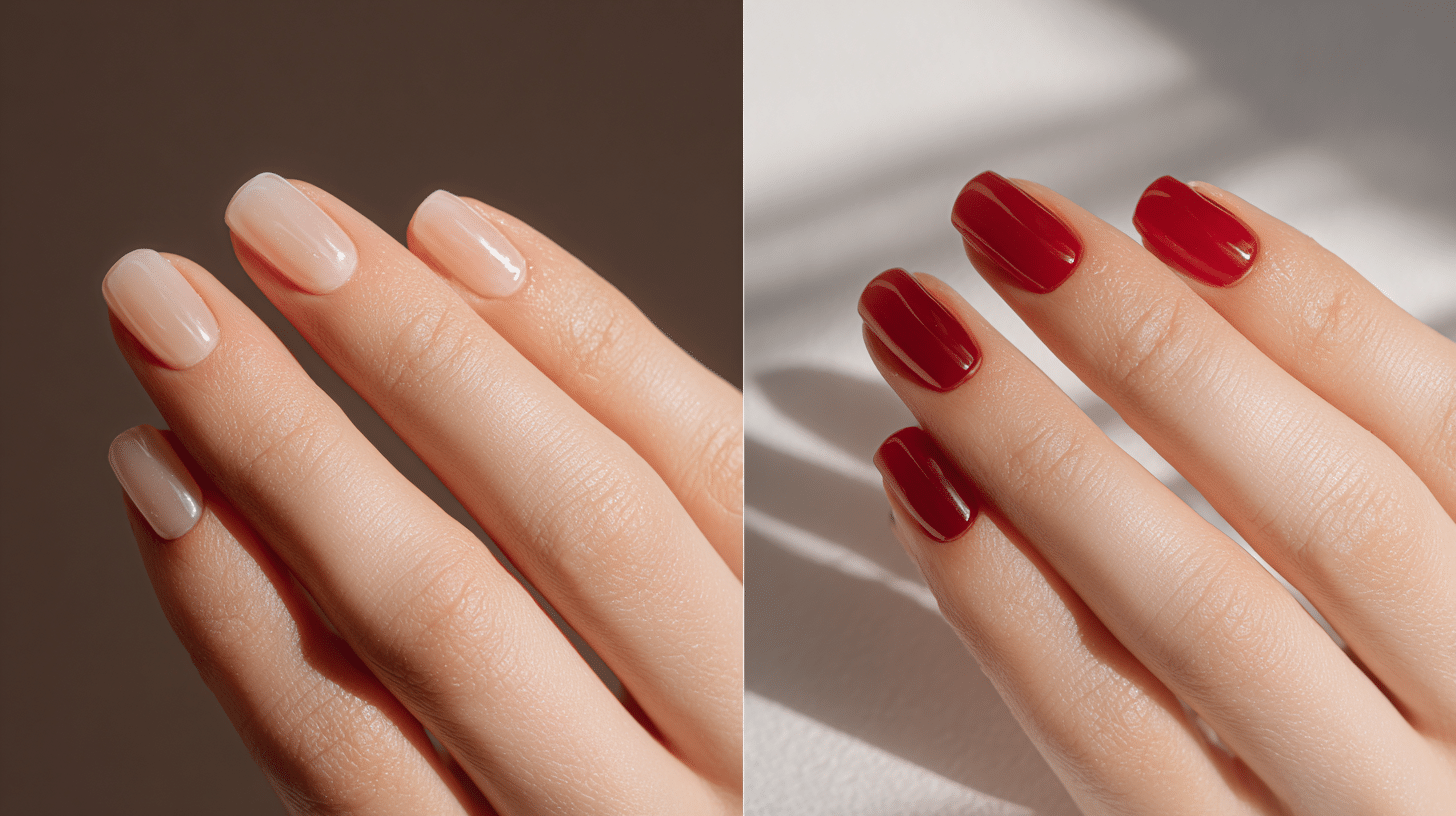
For durable wear, Nailuxe applies professional gel polish cured under a 48 W LED lamp in 30 to 60 seconds per coat, with HEMA-free options available for sensitive skin. This chip-resistant system lasts 2 to 3 weeks through intense workouts and heavy chalk exposure, backed by the Nailuxe 7-Day Care Promise.
How to Care for Your Feet: A Runner’s Pedicure Guide
Distance running, sprinting, and trail sports place substantial mechanical strain on feet and toenails. A dedicated runner’s pedicure maintains skin flexibility and prevents footwear friction from developing into debilitating injuries.
Toenails must be clipped straight across and kept level with the distal toe border. Rounding corners deep into the groove triggers painful ingrown borders under repetitive shoe-box pressure.
Calluses should be smoothed with an abrasive foot file rather than aggressive blades or razor scrapers. Controlled filing smooths rough heel ridges while preserving the natural protective stratum corneum required for shock absorption.
Maintain strict moisture control by washing feet daily, drying between toes completely, and wearing breathable moisture-wicking socks. Consult a licensed podiatrist promptly if you detect discolored, thickened, or crumbling plates indicative of fungal onychomycosis, as cosmetic technicians do not diagnose or treat medical foot diseases.
Schedule restorative pedicures after peak race days or marathon events to assess accumulated friction wear and rehydrate parched soles in a sanitary, single-use lined foot basin.
Frequently Asked Questions About Athletic Nail Care
Why is professional nail care more important for athletes than for the average person?
Professional nail care is more important for athletes because high-impact training exposes hands and feet to 40% higher rates of structural trauma, friction, and moisture-associated pathogens than non-athletic routines. Professional technicians preserve keratin plate integrity, safely smooth high-friction calluses, and prevent lateral nail tears that disrupt regular training cycles.
How often should an athlete get a professional manicure or pedicure?
Athletes should schedule a professional manicure every 3 to 4 weeks and a pedicure every 4 to 6 weeks during competitive training seasons. In the off-season, extending maintenance visits to every 6 to 8 weeks is effective when supported by a consistent weekly nail care routine at home.
Can I still wear nail polish if I’m an athlete?
Yes, athletes can wear nail polish, and professional gel polish provides the most durable, chip-resistant shield for active hands. Fully cured under an LED lamp, gel formulations create a resilient seal that resists chlorine penetration, chalk wear, and equipment friction for 2 to 3 weeks on fingernails and 4 to 6 weeks on toenails.
Book Your At-Home Service With MobileNailNewyork In New York
Demanding workout schedules, travel commitments, and recovery windows leave little time for traditional salon trips. Whether you need at home nails bronx or service in Manhattan, Brooklyn, Queens, or Staten Island, Nailuxe brings licensed technicians and hospital-grade setups directly to your home, office, or training facility.
Founded by licensed nail specialist Emily Carter, Nailuxe operates from 07:00 to 21:00, seven days a week. All metal tools are steam-autoclaved at 121°C (250°F) for 30 minutes in sealed pouches opened in front of you, with single-use files and basin liners guaranteeing complete hygiene. Services carry fixed borough travel fees ($0 in Brooklyn, $15 in Manhattan and Queens, $25 in The Bronx and Staten Island), waived for three or more guests at one address.
Schedule your athletic nail care appointment with Nailuxe today:
- Brand: Nailuxe
- Operations Base: 191 Hancock St, Brooklyn, NY 11216, United States (no walk-in service)
- Hotline: +1442-555-4022
- Email: [email protected]
- Website: https://mobilenailnewyork.com
- Hours: 07:00–21:00 (7 AM–9 PM), Monday to Sunday
