

Pregnancy brings remarkable physiological changes to your body, including your nails. Many expectant mothers question the safety of manicures and pedicures during this vital period. Professional nail care is safe and beneficial throughout pregnancy when performed with medical-grade hygiene standards, proper ventilation, and non-toxic formulations.
Nailuxe, a mobile nail service in New York City operating via mobilenailnewyork.com, delivers certified, pregnancy-safe manicures and pedicures directly to your door across Manhattan, Brooklyn, Queens, The Bronx, and at home nails staten island. Every technician uses hospital-grade sterilization protocols to protect maternal and fetal health.
Is It Safe to Get Manicures and Pedicures During Pregnancy?
Professional manicures and pedicures are safe during pregnancy when administered by licensed nail technicians adhering to strict sanitation protocols. The American College of Obstetricians and Gynecologists (ACOG) confirms that occasional cosmetic nail services present no documented developmental risks to an expectant mother or a developing fetus.
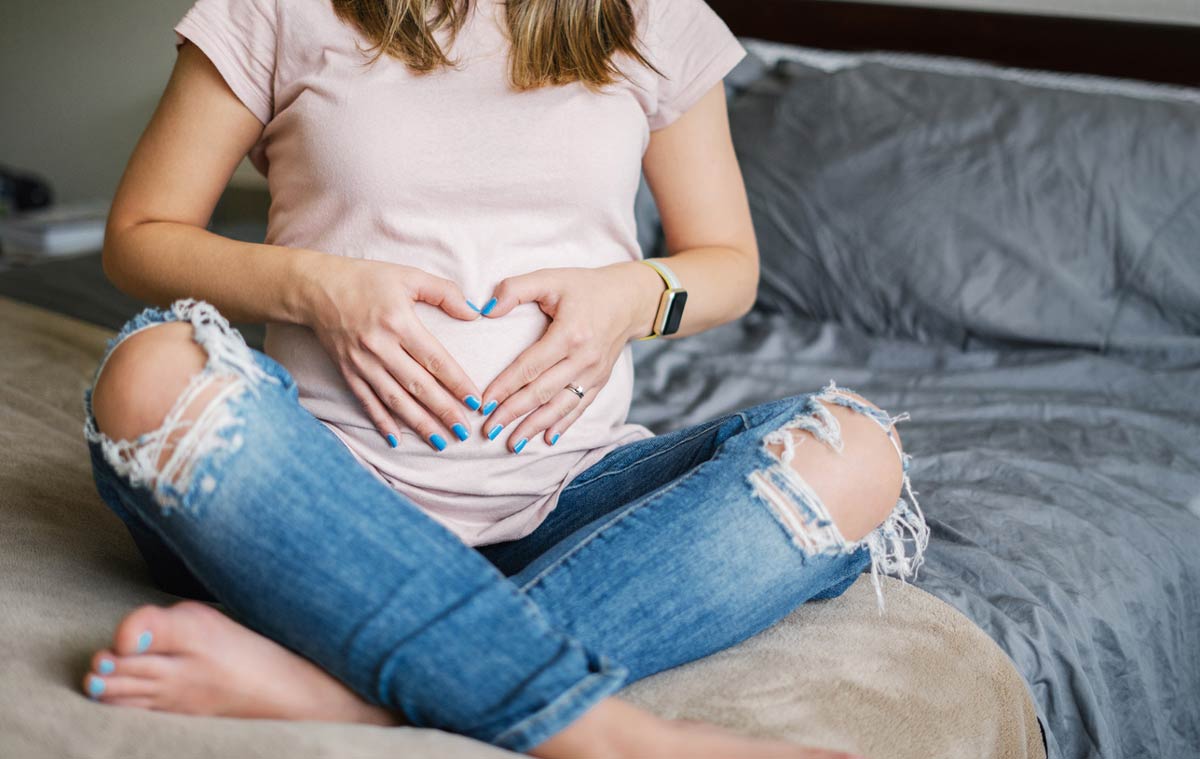
Hormonal fluctuations alter keratin production during pregnancy, frequently causing nails to grow faster while becoming brittle, ridged, or prone to splitting. Regular cosmetic maintenance prevents painful hangnails, cuticle tears, and localized bacterial infections. Incorporating a targeted weak nails treatment preserves nail plate integrity as systemic hormone levels shift.
Understanding Potential Risks of Nail Treatments While Pregnant
Understanding potential salon risks empowers expectant mothers to make informed decisions regarding ingredient safety, microbial defense, and light curing technology.
Chemical Exposure from Nail Products
Traditional nail products frequently contain volatile organic compounds, specifically formaldehyde, toluene, and dibutyl phthalate (DBP), collectively termed the “toxic trio.” Inhaling concentrated fumes in unventilated areas can trigger nausea, headaches, and respiratory irritation, exacerbated by pregnancy-induced hyperosmia (heightened sense of smell).
Occasional, low-level exposure during standard salon visits does not elevate pregnancy complication risks. Acetone-based removers are safe for occasional use when applied in well-ventilated environments. Thoroughly washing hands with soap and water after solvent exposure removes residual chemical traces from the skin.
Risk of Infections at Salons
Maternal immune modulation during pregnancy increases susceptibility to bacterial, fungal, and viral pathogens. Unsanitary salon environments—characterized by unsterilized clippers, shared foot basins, and reused abrasive files—can transmit pathogens such as Staphylococcus aureus, dermatophyte fungi, and blood-borne viruses.
Preventing salon infections requires single-client disposables and steam autoclave sterilization for metal instruments. Traditional whirlpool foot basins harbor microbial biofilm within internal pipes. Expectant mothers should seek services utilizing pipe-free basins fitted with single-use disposable liners.
Concerns About Gel Manicures and UV Lights
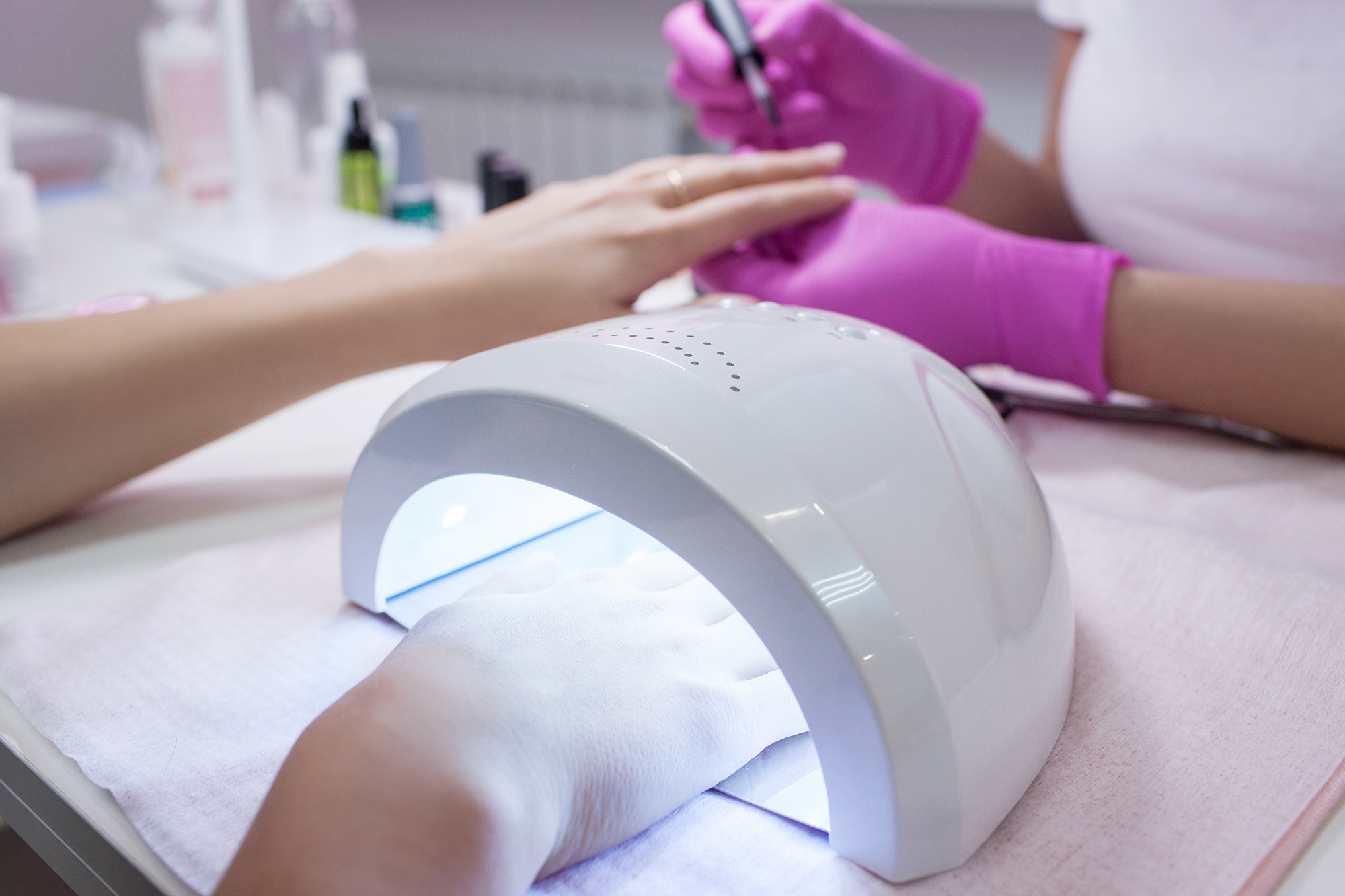
The uv lamp for nails used in conventional gel manicures emits UVA radiation to polymerize photoinitiators in gel formulas. UVA radiation does not penetrate deep tissue or reach the uterus, posing zero risk to fetal development. However, cumulative UVA exposure causes cellular oxidative stress and premature skin aging on the dorsal hands.
Modern 48 W LED lamps cure gel polish significantly faster, requiring only 30–60 seconds per coat while emitting a narrower, lower-energy light spectrum than older fluorescent UV lamps. Applying a broad-spectrum sunscreen with SPF 30 or higher to your hands 20 minutes before curing eliminates remaining cutaneous concerns.
Safety of Different Nail Treatments During Pregnancy
Evaluating enhancement systems by chemical composition, application technique, and removal protocol helps you choose the safest option for each trimester.
Are Gel Manicures Safe During Pregnancy?
Gel manicures are safe throughout pregnancy when cured under LED lamps and removed gently without scraping. Gel polish polymerizes into a durable layer that resists chipping for 2–3 weeks on fingernails and 4–6 weeks on toenails, minimizing recurring chemical exposure.
Expectant mothers should select HEMA-free gel formulations to eliminate the risk of acrylate contact dermatitis. Never peel or pick lifted gel coatings, as mechanical peeling strips layers from the natural nail plate. Professional removal requires wrapping nails in acetone-soaked cotton pads for 10–15 minutes until the product slides off smoothly.
Can You Get Acrylic Nails While Pregnant?
Acrylic enhancements require careful evaluation due to strong vapor emissions during application. Professional systems mix an ethyl methacrylate (EMA) monomer liquid with a polymer powder. The US Food and Drug Administration (FDA) restricted 100% methyl methacrylate (MMA) liquid monomers in the 1970s due to severe tissue damage and allergic reactions; verify that your provider uses EMA-only liquid.
Acrylic dust and monomer odors can aggravate first-trimester nausea. Expectant mothers scheduling acrylic services should wait until after the first trimester, verify active fume extraction, and consider wearing a KN95 protective mask during shaping and filing.
Are Dip Powder Manicures Safe During Pregnancy?
Dip powder systems combine a cyanoacrylate adhesive resin with pigmented acrylic powders and an activator liquid, curing without UV or LED radiation. Dip overlays wear durably for 3–4 weeks on natural nails.
Sanitation is the primary health consideration for dip systems. Dipping multiple clients’ fingers into a shared powder jar facilitates microbial cross-contamination. Technicians must pour powder over the nail plate from an individual, single-use cup and discard leftover powder after your service.
Safety Tips for a Worry-Free Manicure in New York
Selecting verified hygienic practices and non-toxic formulations guarantees a safe, restorative salon experience.
Choosing a Well-Ventilated and Hygienic Salon
Adequate indoor air exchange prevents vapor accumulation. Choose facilities equipped with source-capture ventilation systems, open windows, and HEPA air purifiers that eliminate solvent odors.
Verify that metal tools are steam-autoclaved at 121°C (250°F) for 30 minutes and retrieved from an unopened pouch with an intact color-change indicator. Technicians must wash their hands, wear fresh nitrile gloves, and use single-use nail files, buffers, and pedicure liners.
Selecting Pregnancy-Safe Nail Polishes
Choose polishes labeled “5-free,” “7-free,” or “10-free,” indicating formulas manufactured without toxic plasticizers and irritants:
- 5-Free Formulations: Exclude formaldehyde, toluene, dibutyl phthalate (DBP), formaldehyde resin, and camphor.
- 7-Free Formulations: Exclude the 5-free chemicals plus ethyl tosylamide and xylene.
- 10-Free Formulations: Exclude the 7-free chemicals plus parabens, triphenyl phosphate (TPHP), and tert-butyl hydroperoxide.
Bringing the Salon Experience Safely to Your New York Home with MobileNailNewyork
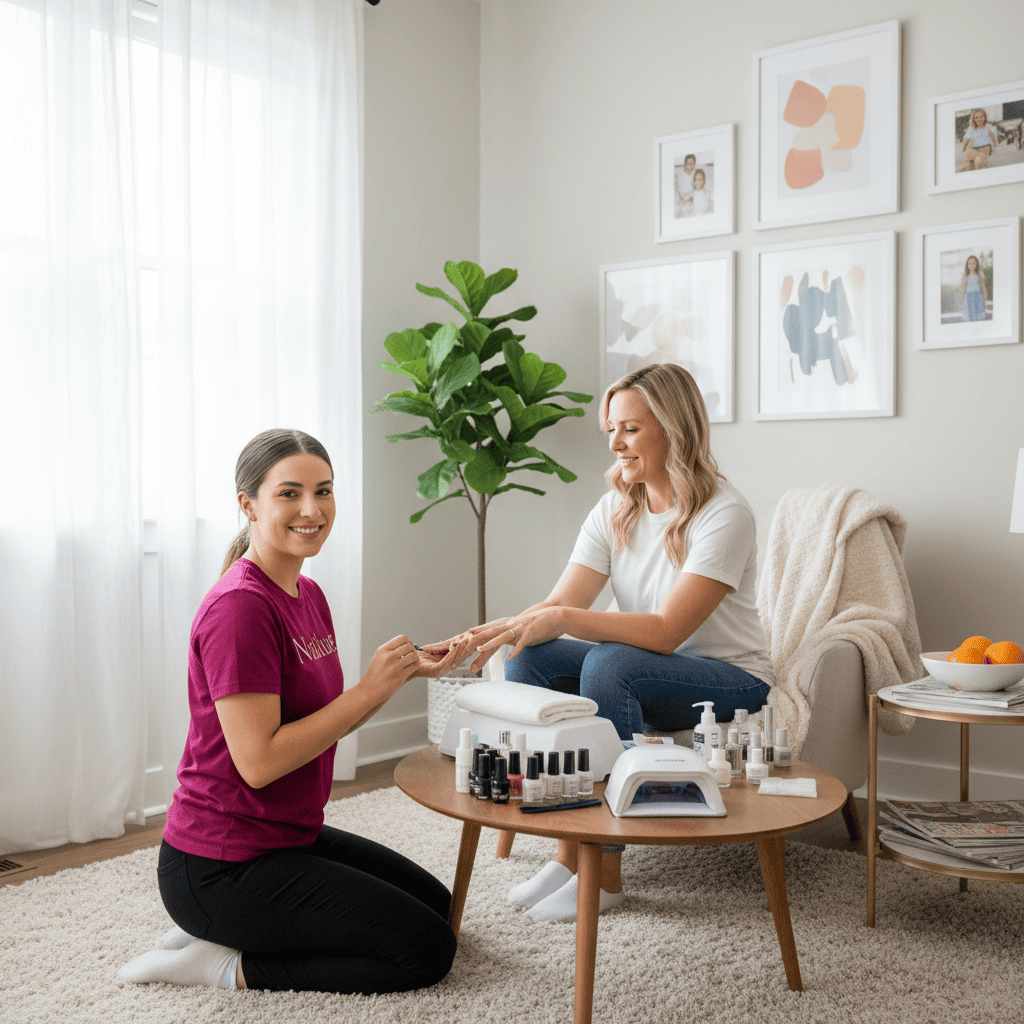
Nailuxe, a mobile nail service in New York City operating through mobilenailnewyork.com, delivers certified at-home manicures and pedicures from 07:00 to 21:00, seven days a week. Technicians travel to homes across Manhattan, Brooklyn, Queens, The Bronx, and Staten Island, bringing pre-sterilized tools steam-autoclaved at 121°C (250°F) for 30 minutes and opened in front of you from a sealed pouch. Every visit uses low-odor, pregnancy-safe polishes, HEMA-free gels, single-use liners, and portable HEPA fume extractors, allowing you to rest comfortably in your own space.
MobileNailNewyork’s Guide to At-Home Nail Care During Pregnancy
Daily at-home care maintains nail matrix health, preventing brittleness and reducing the need for intensive salon corrections.
Keep fingernails trimmed to a moderate length, extending 1–2 mm (0.04–0.08 in) beyond the fingertip to reduce accidental scratching. Shape nails with a 240-grit single-use emery board, filing in one fluid direction from edge to center rather than using a back-and-forth sawing motion that frays keratin layers.
Hydrate periungual skin daily to maximize cuticle oil benefits. Apply pure jojoba, sweet almond, or vitamin E oil every morning and evening. Never cut or trim living eponychium tissue; increased cutaneous blood flow during pregnancy elevates bleeding and localized paronychia risks. Gently push softened cuticle tissue back using a damp cotton cloth after bathing.
Support nail matrix keratinization through balanced prenatal nutrition by consuming foods for strong nails. Incorporate nutrient-dense dietary sources such as eggs, leafy greens, wild salmon, avocados, and legumes to supply essential biotin, iron, and zinc.
Common Nail Changes During Pregnancy and When to Call a Doctor
Elevated estrogen levels and increased peripheral vascular circulation produce notable changes in the nail bed and plate. Normal fingernails grow at an average rate of 3.47 mm (0.14 in) per month, whereas toenails grow approximately 1.62 mm (0.06 in) per month; pregnancy hormones often accelerate these baselines.
Benign alterations commonly observed during pregnancy include:
- Mild Leukonychia: Small, harmless white spots resulting from minor matrix micro-trauma or zinc utilization shifts, which grow out naturally.
- Transverse or Longitudinal Ridging: Subtle vertical ridges running from the proximal nail fold to the free edge, caused by rapid cellular turnover.
- Transient Brittleness (Onychoschizia): Lamellar peeling at the distal edge, manageable through daily hydration and protective gloves.
Toenails must always be trimmed straight across rather than rounded at the corners. Rapid weight gain and peripheral edema in the third trimester press lateral nail folds against footwear, increasing the risk of ingrown toenails. Licensed nail technicians provide gentle, non-invasive cosmetic clipping; they do not perform medical interventions on ingrown nails.
Contact your obstetrician, dermatologist, or podiatrist if you observe any of the following clinical signs:
- Acute periungual erythema, throbbing pain, warmth, or purulent drainage (pus) indicative of acute paronychia.
- Onycholysis (complete separation of the nail plate from the vascular nail bed).
- Onychomycosis characterized by severe yellow-green subungual discoloration, crumbly debris, and significant plate thickening.
- Melanonychia presenting as sudden, solitary dark brown or black longitudinal pigment bands requiring dermatoscopic evaluation.

Frequently Asked Questions About Nail Care and Pregnancy
Is acetone-based remover safe during pregnancy?
Acetone-based nail polish removers are safe for occasional use during pregnancy. Occasional exposure during standard manicures absorbs negligible amounts into maternal circulation, posing no harm to fetal health. Because acetone strips lipid barriers from the skin and nail plate, apply remover in a well-ventilated space and moisturize cuticles with jojoba oil immediately after cleansing.
Could a pedicure massage induce labor?
A standard cosmetic pedicure massage cannot induce labor. Routine massage techniques focus on gentle lymphatic drainage to alleviate pedal edema and muscle fatigue. While traditional acupressure concepts identify points around the medial malleolus (such as Spleen 6), light effleurage strokes during a cosmetic pedicure do not stimulate uterine contractions. Request light, soothing pressure from your technician for comfort.
Is it harmful to inhale nail salon fumes while pregnant?
Brief exposure to ambient salon fumes during an occasional nail appointment is not harmful to maternal or fetal health. However, concentrated chemical vapors can trigger nausea or lightheadedness in sensitive individuals. Choose well-ventilated environments, take fresh air breaks whenever necessary, and schedule morning appointments when physical fatigue is lower.
Pregnancy is a time to prioritize gentle, restorative self-care without compromising hygiene or comfort. Nailuxe brings professional, hospital-grade mobile nail services directly to your living space across all five New York City boroughs.
Book your pregnancy-safe appointment with Nailuxe today:
- Brand: Nailuxe
- Address: 191 Hancock St, Brooklyn, NY 11216, United States (operations base; mobile appointments delivered to your home, no walk-in service)
- Hotline: +1442-555-4022
- Email: [email protected]
- Website: https://mobilenailnewyork.com
- Hours: 07:00–21:00 (7 AM–9 PM), Monday to Sunday
- Service Area: Manhattan, Brooklyn ($0 travel fee), Queens, The Bronx, and Staten Island
