

Winter conditions deplete natural moisture from your nail plates, transforming healthy keratin layers into brittle, fragile extensions prone to cracking and peeling. At Nailuxe, a mobile nail service in New York City, our licensed nail technicians protect natural nail health through customized at-home treatments designed for New York’s demanding seasonal climate.
This professional guide details proven strategies to reinforce your keratin plates throughout the winter months. Applying targeted lipid hydration, maintaining conservative nail length, and scheduling expert at-home care ensure your fingertips remain resilient, pliable, and healthy despite freezing conditions.
Why Are Nails More Brittle and Fragile in Winter?
Nails become more brittle and fragile in winter primarily due to rapid moisture loss triggered by frigid outdoor temperatures and artificial indoor heating. Healthy nail plates require 10% to 15% water content to maintain natural flexibility. While clients often learn how to protect nails in summer against UV exposure and chlorine, winter shifts ambient humidity, leaving keratin bonds susceptible to severe dehydration.
The Effects of Cold Weather on Nail Health
Cold weather constricts peripheral blood vessels, reducing blood circulation and essential nutrient delivery to the nail matrix. When outdoor temperatures drop below 0°C (32°F), the intracellular moisture within keratin layers evaporates rapidly. This dehydration weakens the disulfide bonds that grant fingernails their structural flexibility.
According to the American Academy of Dermatology, nail plate moisture content can decline by up to 25% during dry winter months. As moisture drops, keratin plates lose elasticity and become rigid. Forced indoor heating exacerbates this condition by lowering indoor relative humidity to 10–20%, far below the optimal 30–50% physiological range.
Common Winter Nail Problems: Peeling, Breaking, and Brittleness
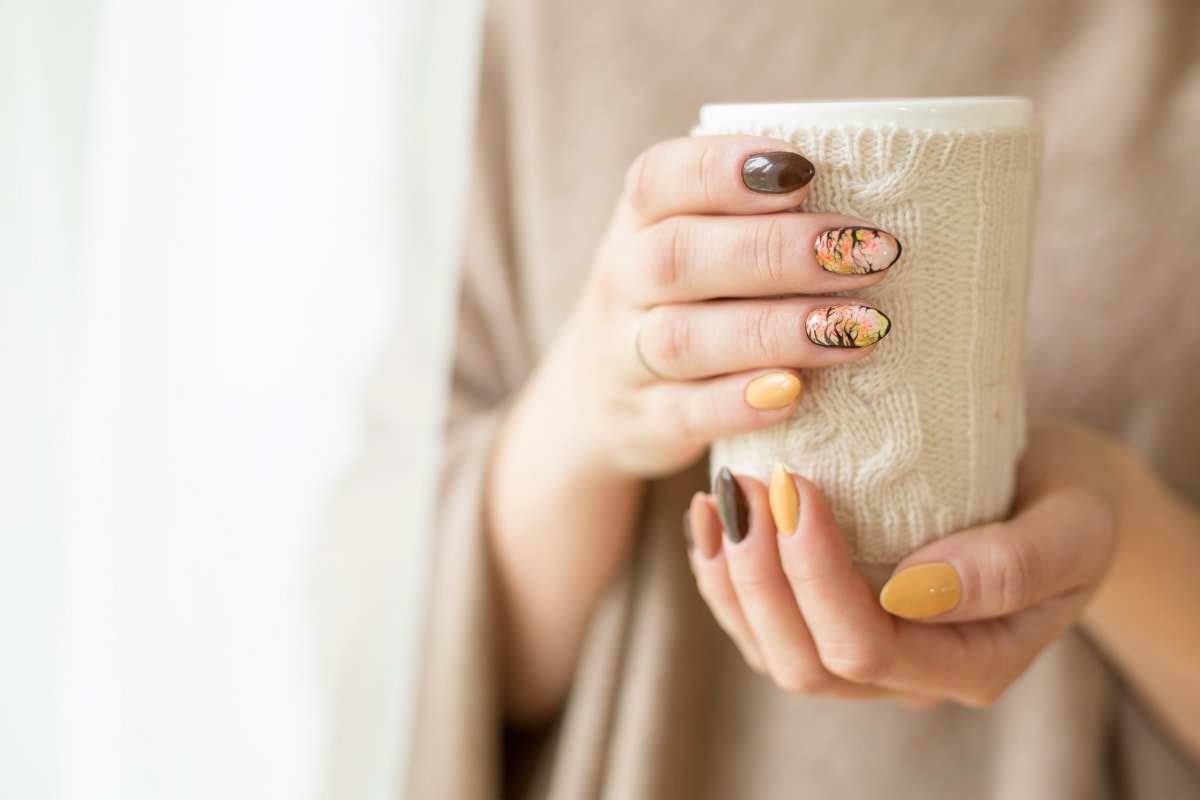
Winter induces three primary nail conditions: onychoschizia (lamellar peeling), onychorrhexis (vertical brittleness), and stress fractures along the free edge. When dry keratin layers contract unevenly, dorsal plate layers separate, causing visible flaking that superficial buffing cannot resolve.
Brittleness manifests as longitudinal ridges and micro-fissures extending from the nail bed. Because rigid plates cannot absorb everyday mechanical impacts, breaks frequently originate at lateral stress points. Without prompt intervention, small tears travel inward, requiring significant trimming to prevent deeper damage.
Warning Signs Your Nails Need Extra Care
Early warning signs of winter nail stress include surface chalkiness, increased hangnails, and periungual tenderness. Punctate leukonychia (small white surface spots) often indicates dehydration trauma across keratin layers rather than systemic calcium deficiencies.
Loss of periungual elasticity causes the eponychium and lateral nail folds to split, creating painful hangnails that risk bacterial infiltration. Furthermore, an opaque, chalky texture or severe transverse curling indicates that natural lipid levels have depleted, requiring prompt barrier intervention.
Essential At-Home Winter Nail Care Tips
Effective at-home winter nail care relies on five foundational habits: daily lipid replenishment, regular hand moisturizing, thermal barrier protection, conservative length maintenance, and controlled water exposure. Implementing these practices restores flexibility and shields keratin bonds from cold-weather stress.
Keep Your Nails and Cuticles Hydrated with Cuticle Oil
Cuticle oil provides essential lipid replenishment because low-molecular-weight plant oils penetrate porous keratin plates more effectively than heavy surface creams. Jojoba oil, squalane, and vitamin E closely mimic natural skin sebum, restoring flexibility between dry keratin layers.
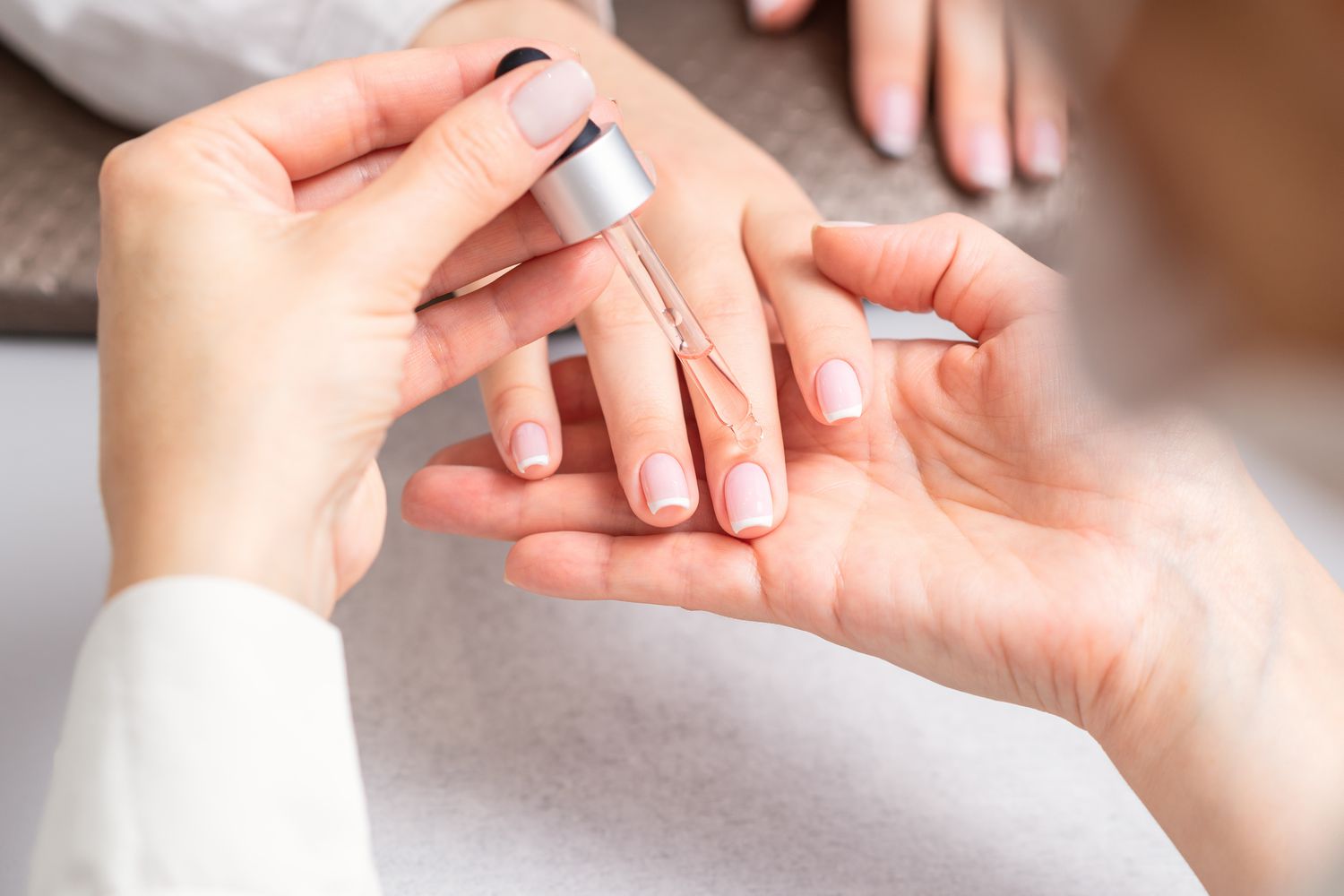
Apply one drop of cuticle oil to each nail bed twice daily, massaging in circular motions for 30 seconds per finger. Massaging stimulates capillary blood circulation to the matrix while distributing lipids evenly. Applying oil immediately after hand washing traps residual surface moisture beneath the lipid barrier.
Moisturise Your Hands Regularly
Regular hand moisturizing prevents trans-epidermal water loss and maintains skin suppleness around periungual folds. Formulations combining humectants such as glycerin with occlusives like shea butter or ceramides deliver optimal winter protection. When selecting the best hand cream, choose rich lipid formulations free of drying synthetic fragrances.
Warm the cream between your palms before application to lower product viscosity and enhance absorption. Apply moisturizer immediately after every hand wash, paying close attention to the eponychium and lateral nail folds. Applying a thick barrier cream at bedtime supports uninterrupted dermal absorption throughout the night.
Wear Gloves to Protect From the Cold
Insulated gloves preserve natural nail hydration by creating a protective thermal barrier against sub-zero winds. Exposure to freezing outdoor temperatures constricts capillaries and dehydrates keratin. Wearing lined leather, wool, or cashmere gloves outdoors prevents temperature-shock fractures.
Wear waterproof insulated gloves during outdoor winter chores, such as snow removal, to stop cold water from stripping keratin lipids. For indoor cleaning and dishwashing, wear lined nitrile gloves. Nitrile shields nail plates from harsh surfactants, household detergents, and excess water without triggering latex sensitivities.
Keep Your Nails at a Manageable Length
Maintaining shorter nails significantly reduces leverage forces and mechanical stress on dehydrated keratin plates. Shorter free edges encounter fewer snagging risks and resist accidental snapping against heavy winter clothing and gloves.
An optimal winter free edge extends approximately 2–3 mm (0.08–0.12 in) beyond the fingertip, supporting squoval or rounded contours. Shape nails using a 240-grit glass or crystal file in a single direction from the outer edge toward the center. Avoid coarse metal files or back-and-forth sawing motions, which cause microscopic edge fraying.
Avoid Overexposure to Water
Excessive water exposure damages winter nails through repeated swelling and contraction cycles. Nail plates absorb up to 25% of their weight in water, which forces keratin cells apart. As water evaporates, the nail plate contracts rapidly, producing interlamellar splitting and peeling.
Wash hands using lukewarm water at approximately 29°C (85°F) rather than scalding water, which strips natural surface lipids. Limit direct water immersion during cleaning to under 5 minutes. Apply an occlusive moisturizer or cuticle oil immediately after drying hands to lock in hydration and block rapid moisture evaporation.
How to Build the Perfect Daily Winter Nail Care Routine
A consistent daily winter nail care routine protects keratin integrity far more effectively than sporadic treatments. Structuring simple post-shower, midday, and bedtime hydration habits maintains constant barrier protection against fluctuating indoor and outdoor environments.
Your Morning Post-Shower Nail Routine
Morning nail care begins immediately after showering when keratin plates are pliable and receptive to topical conditioning. Pat hands dry with a soft towel, leaving cuticles slightly damp, and massage one drop of jojoba-based cuticle oil into each nail contour.
Layer a fast-absorbing hand lotion containing hyaluronic acid and glycerin over your hands to bind environmental moisture throughout the day. If you wear regular lacquer, apply a strengthening, protein-enriched base coat to shield the natural plate from mechanical wear and staining.
Midday Moisture Touch-Ups
Midday maintenance counteracts the drying effects of frequent hand washing and indoor forced heating. Keep a compact tube of restorative hand cream in your bag or workspace, reapplying a pea-sized amount across hands and cuticles after each cleansing.
For persistent cuticle tightness, apply a trace amount of pure squalane or petrolatum balm over the lateral folds to create an instant occlusive shield. Running a desktop cool-mist humidifier in heated office environments elevates ambient humidity above 30%, protecting your nails and skin against dry-air dehydration.
An Evening Nail Pampering Session Before Bed
Evening care delivers overnight lipid repair while hands remain stationary and free from environmental stressors. Cleanse hands with a mild, soap-free cleanser and lukewarm water, avoiding harsh alkaline soaps that degrade the acid mantle.
Massage a rich cuticle oil over your nail plates and eponychium for 60 seconds per hand, followed by a thick lipid-replenishing night balm containing shea butter or ceramides. Wearing breathable 100% cotton gloves overnight once or twice weekly traps therapeutic emollients, accelerating deep tissue repair.
How to Strengthen Nails and Prevent Breaking in Winter
Strengthening fragile winter nails requires combining external physical reinforcement with internal nutritional support. Pairing durable topical base barriers with essential dietary building blocks prevents brittle keratin from splitting under cold-weather pressure.
The Importance of Using a Base Coat and Nail Hardener
Protective base coats seal micro-grooves and provide structural flexibility to brittle winter nail plates. Applying a nutrient-dense base coat even without colored lacquer creates an invisible barrier against water absorption and chemical exposure.
Unlike flexible base coats, traditional nail hardeners cross-link keratin bonds to increase surface rigidity. Use chemical hardeners sparingly, as excessive stiffness prevents the nail from absorbing shocks, causing snap breaks. Opt instead for keratin-, collagen-, or calcium-infused fortifying base coats that maintain natural flexibility.
Nourish Your Nails from Within: A Balanced Diet and Hydration
Keratin plate synthesis relies on adequate dietary protein, essential fatty acids, and micro-nutrients. Consuming 0.8–1.0 g of protein per kilogram of body weight daily from lean sources—such as eggs, salmon, lentils, and walnuts—delivers the sulfur-rich amino acids cysteine and methionine required for keratin strength.
Internal hydration supports cellular turgor in the nail matrix. Drink approximately 2–3 liters (68–101 fl oz) of water daily to maintain tissue hydration. Because fingernails grow at an average rate of 3.47 mm (0.14 in) a month, consistent dietary improvements become visible as new nail growth emerges over 3 to 6 months.
Using Nail Supplements Like Biotin
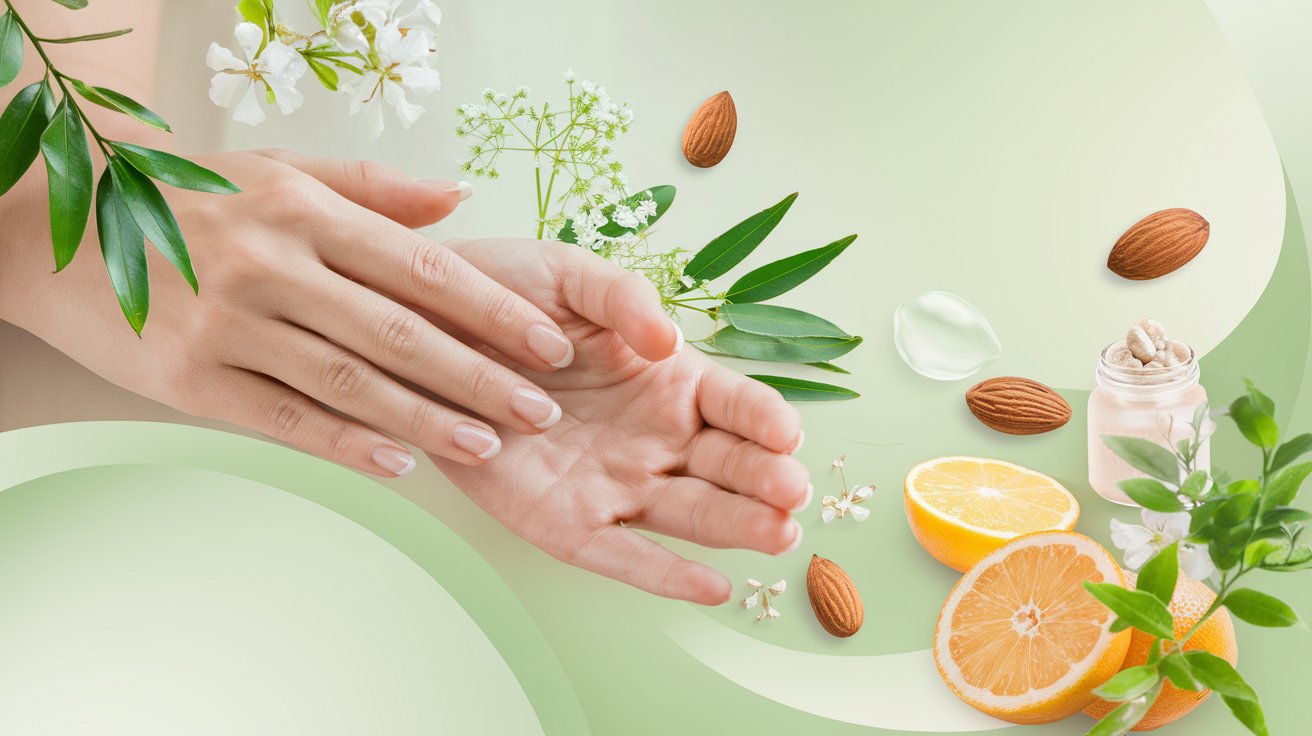
Biotin (vitamin B7) supplementation stimulates keratinocyte differentiation in the nail matrix, improving plate thickness and reducing brittle splitting. Clinical trials establish that a daily oral dosage of 2.5 mg of biotin significantly increases nail plate thickness and structural firmness within 6 months.
Synergistic nutritional formulas incorporating hydrolyzed collagen peptides, zinc, and vitamin C support connective tissue resilience around the nail bed. Consume water-soluble B vitamins alongside meals to optimize biological absorption and minimize gastric sensitivity.
Common Winter Nail Care Mistakes to Avoid
Avoiding damaging nail maintenance habits preserves the natural protective barrier during harsh cold weather. Eliminating aggressive filing, harsh chemical stripping, and mechanical picking prevents long-term matrix trauma.
Using Acetone-Based Polish Removers
Pure acetone dissolves the protective lipid layer of the nail plate, causing severe keratin dehydration and onychoschizia. Repeated winter use of harsh solvent removers strips moisture and leaves the nail plate porous, white, and brittle.
Switch to nourishing, acetone-free removers enriched with plant lipids such as soybean or jojoba oil. Saturate a lint-free cotton pad, press it firmly over the nail for 30–60 seconds to soften the lacquer, and wipe forward in one smooth motion without aggressive friction.
Being Too Aggressive with Your Nails
Mechanical aggression damages cold-compromised nails through microscopic tearing, matrix bruising, and surface thinning. Vigorous surface buffing thins the dorsal keratin layers, permanently weakening the plate until new growth emerges.
File with gentle, consistent strokes using fine-grit tools, avoiding vigorous pressure that generates frictional heat. Soften cuticles with jojoba oil before gently easing them back with a rubber-tipped pusher. Never trim living eponychium tissue; cutting live skin destroys the seal against pathogens and promotes painful winter infections.
Biting or Picking Your Nails and Cuticles
Biting or picking creates ragged micro-tears that compromise the protective nail apparatus. Inhaling dry winter air and biting rough edges introduces oral bacteria into the nail bed, risking acute paronychia.
Keep a fine glass file on hand to smooth minor snags immediately before they tempt manual picking. Apply a targeted cuticle balm or wear protective gloves during idle periods to safeguard healing skin folds and discourage unconscious habits.
Professional Winter Care with MobileNailNewyork’s At-Home Service in New York
Professional at-home care delivers restorative salon solutions without requiring you to brave freezing weather, ideal for clients needing after holiday nail care following seasonal travel.
When to Seek a Professional At-Home Manicure
Schedule professional care when chronic peeling, persistent splitting, or periungual fissures resist daily home conditioning. Nailuxe licensed technicians deliver clinical-grade sanitation directly to your door, avoiding cold commutes. Clients can pair treatments with an at home pedicure nyc service featuring single-use basin liners and gentle foot filing without blades.
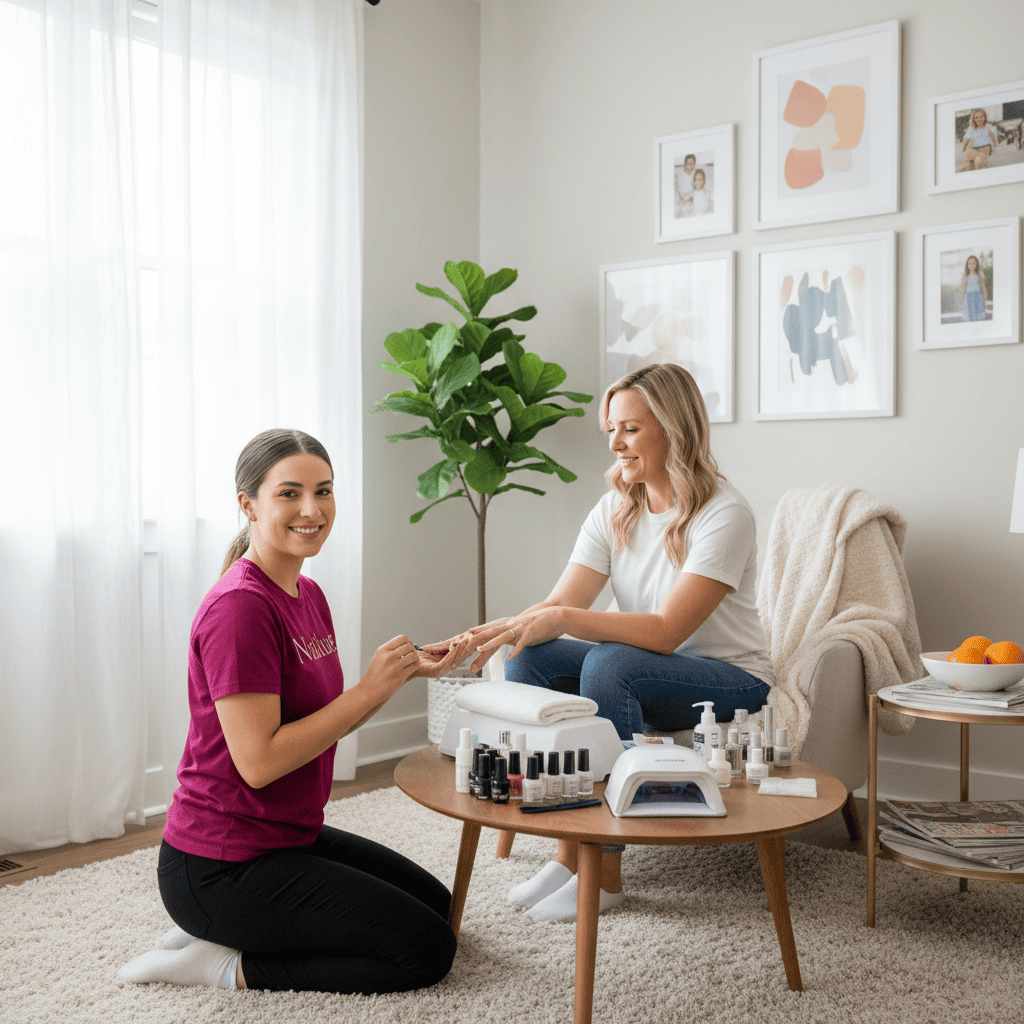
How MobileNailNewyork Treatments Can Winter-Proof Your Nails
Nailuxe winter protocols begin with an initial nail health assessment to identify dehydration vulnerabilities. Technicians apply intensive cuticle therapy and strengthening systems, utilizing tools steam-autoclaved at 121°C (250°F) for 30 minutes and opened from sealed pouches in front of you. Services include standard and HEMA-free gel options cured under 48 W LED lamps, backed by the Nailuxe 7-Day Care Promise.
Choosing Your Winter Nail Colors with MobileNailNewyork
Winter color choices balance elegance with plate protection. Building on popular fall nail designs, rich seasonal shades such as burgundy, deep chocolate, and classic navy shield nail surfaces while concealing minor dehydration flaws. Nailuxe technicians help you select premium lacquers, gel, or dip systems suited to your skin tone and lifestyle.
About Nailuxe: Nailuxe, a mobile nail service in New York City, delivers luxury nail care directly to your door from 07:00 to 21:00 (7 AM–9 PM), seven days a week. Founded by Emily Carter, our licensed technicians operate with steam-autoclaved tools and premium formulations across Manhattan, Brooklyn, Queens, The Bronx, and Staten Island. Book online at mobilenailnewyork.com or call +1442-555-4022.
Based at 191 Hancock St, Brooklyn, NY 11216, United States (no walk-in service), Nailuxe provides professional at-home appointments with $0 travel fees in Brooklyn, including full service coverage for mobile nails staten island.
