

Fungal infections of the nail plate (onychomycosis) affect millions worldwide, with toenails being particularly susceptible. Nailuxe, a mobile nail service in New York City, prioritizes natural nail health and hygienic care during at-home visits across Manhattan, Brooklyn, Queens, The Bronx, and Staten Island. Early detection is essential to recognize symptoms promptly and seek appropriate medical evaluation from a dermatologist or podiatrist.
This guide identifies eight key signs of onychomycosis, helping you spot fungal pathology early. Recognizing these structural changes allows you to seek timely treatment and maintain healthy hands and feet.
What Are the First Signs of a Fungal Infection on the Nail?
The first sign of a fungal nail infection is typically a small white, yellow, or pale brown spot appearing beneath the distal tip of the nail plate. This localized spot marks where fungal pathogens, primarily dermatophytes like Trichophyton rubrum, invade the nail bed and metabolize structural keratin proteins. The infection then spreads proximally toward the cuticle, gradually involving larger areas of the nail plate over weeks or months. During our mobile nails brooklyn and Manhattan visits, licensed technicians frequently observe clients misinterpreting these early spots as minor physical trauma or harmless surface staining.
Prompt identification enables faster recovery under medical care. Early medical intervention prevents pathogens from penetrating deep into the nail bed and matrix. Professional evaluation by a doctor distinguishes fungal infections from non-fungal conditions, such as nail psoriasis, lichen planus, or traumatic injury.
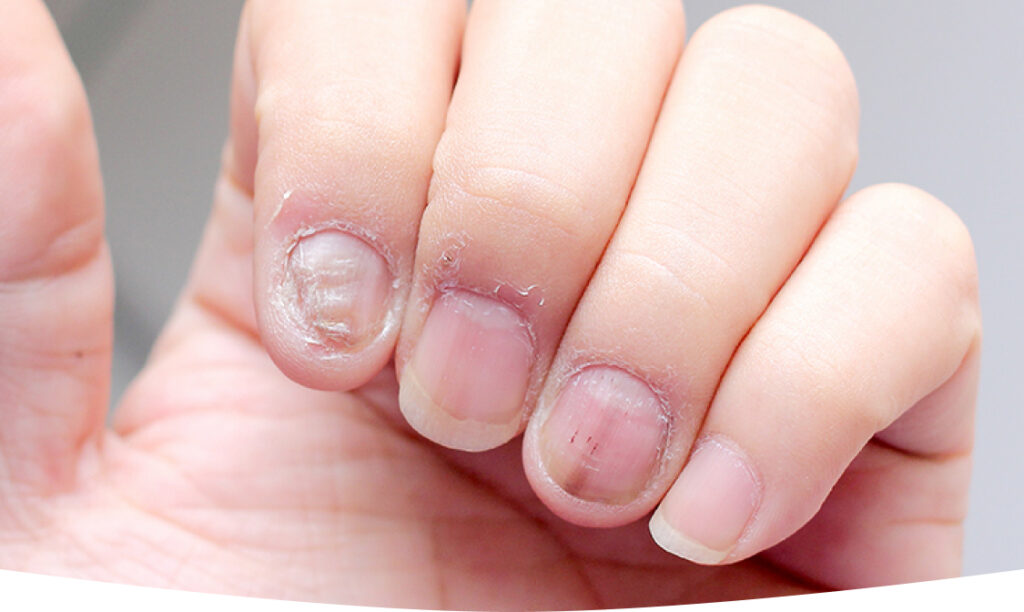
8 Common Fungal Infection Signs Identified by Nailuxe Professionals
Changes in Color (Yellow, Brown, or White Spots)
Nail discoloration is the most recognizable early sign of onychomycosis. Fungal activity typically produces dull yellow, dark brown, or chalky white discoloration across the keratin plate. While conditions like traumatic leukonychia cause temporary, harmless white marks from physical impacts, fungal stains penetrate deep into the plate layers and expand over time.
Fungal pigments stem from fungal waste products, melanin synthesis, and keratin degradation. Unlike superficial polish stains that buff away, fungal discoloration alters the plate’s internal structure, leaving it soft, porous, or crumbly.
During at-home visits, licensed Nailuxe technicians assess nail plates under true-spectrum daylight lamps. Proper lighting distinguishes cosmetic surface irregularities from deeper fungal discoloration. If discoloration indicates an active infection, technicians pause cosmetic services and recommend seeing a healthcare provider.
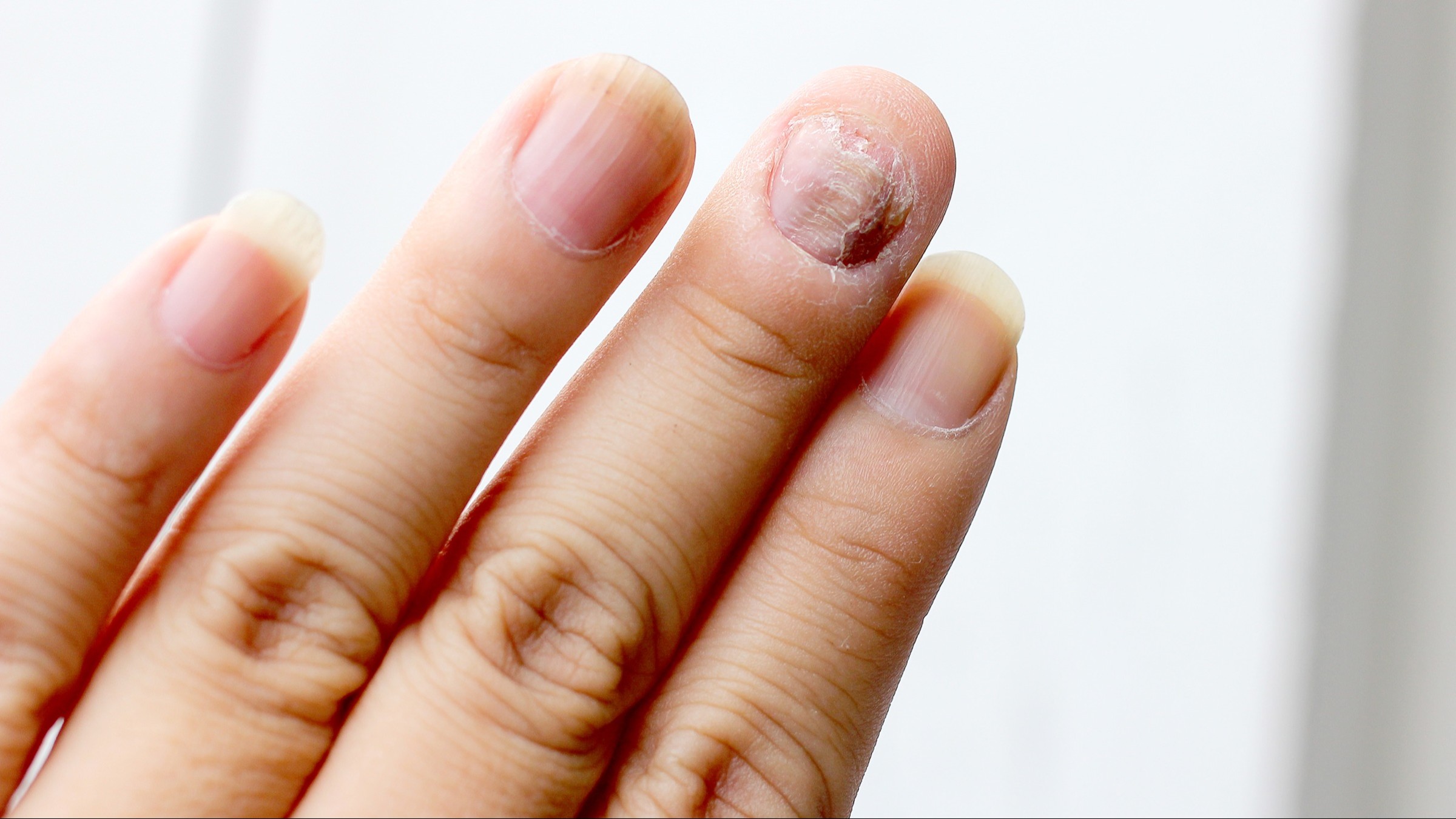
Thickened or Distorted Structures
Abnormal thickening (subungual hyperkeratosis) occurs as fungal colonies trigger rapid, irregular cell proliferation beneath the nail plate. As the fungus digests keratin, the nail bed produces surplus keratinaceous scales, elevating and distorting the nail structure. Unlike benign vertical ridges on nails that develop naturally with age, fungal thickening creates uneven, warped plates that press painfully against footwear.
Toenails thicken more severely than fingernails because toenails grow at a slower rate of approximately 1.62 mm (0.06 in) per month, compared to 3.47 mm (0.14 in) per month for fingernails. Shoes also provide a warm, dark, and moist environment that accelerates fungal activity.
Severely thickened toenails become rigid and difficult to trim with standard home clippers. Attempting to cut dense, fungal nails without clinical training often leads to painful cracks, skin tears, and secondary ingrown toenails. If an irregular edge develops, review a safe ingrown toenail home remedy for mild symptoms, but consult a podiatrist for medical debridement and safe trimming of infected tissue.
Brittle, Crumbly, or Ragged Texture
Fungal infections destroy structural keratin integrity, causing the nail plate to become dry, brittle, and crumbly. Healthy nail plates remain smooth and pliable, bending slightly under pressure without fracturing. Fungal enzymes digest the structural disulfide bonds within keratin fibers, rendering the nail fragile and prone to breaking along free edges.
Brittleness causes nails to catch on socks, bedding, and clothing, leading to unexpected splits. As the infection erodes deeper layers, the surface roughens, flaking into powdery fragments during routine tasks.
Nailuxe technicians handle natural nails with gentle care to protect structural integrity. When a technician identifies brittle, crumbly tissue consistent with onychomycosis, cosmetic services are deferred so clients can pursue targeted antifungal medical therapies.
Separation from the Nail Bed (Onycholysis)
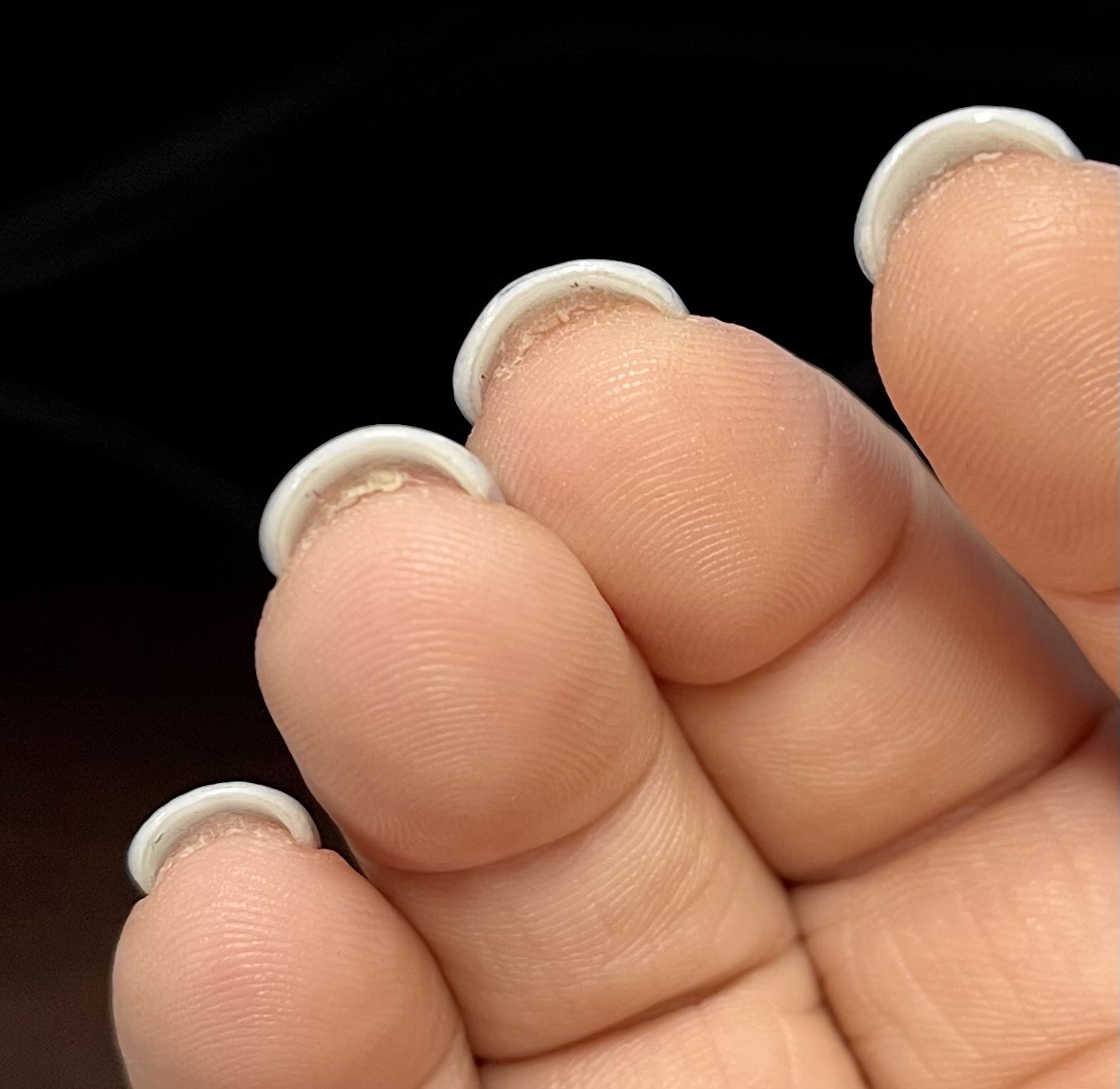
Onycholysis is the detachment of the nail plate from the underlying pink nail bed, commonly caused by advancing onychomycosis. The separation typically starts at the distal free edge and advances toward the cuticle. As fungal debris accumulates, it physically levers the plate away from the vascular bed, creating an empty subungual pocket.
A detached nail appears white, yellow, or grayish due to air trapped underneath. The loose plate moves independently when pressed, losing its natural seal. This subungual gap collects moisture, soap residue, and environmental dirt, fostering secondary bacterial infections from pathogens such as Pseudomonas aeruginosa.
Separated nail plates cannot reattach to the bed on their own; new healthy nail must grow out completely from the matrix. Because an exposed nail bed is vulnerable to mechanical trauma and infection, prompt medical care from a podiatrist or dermatologist is critical.
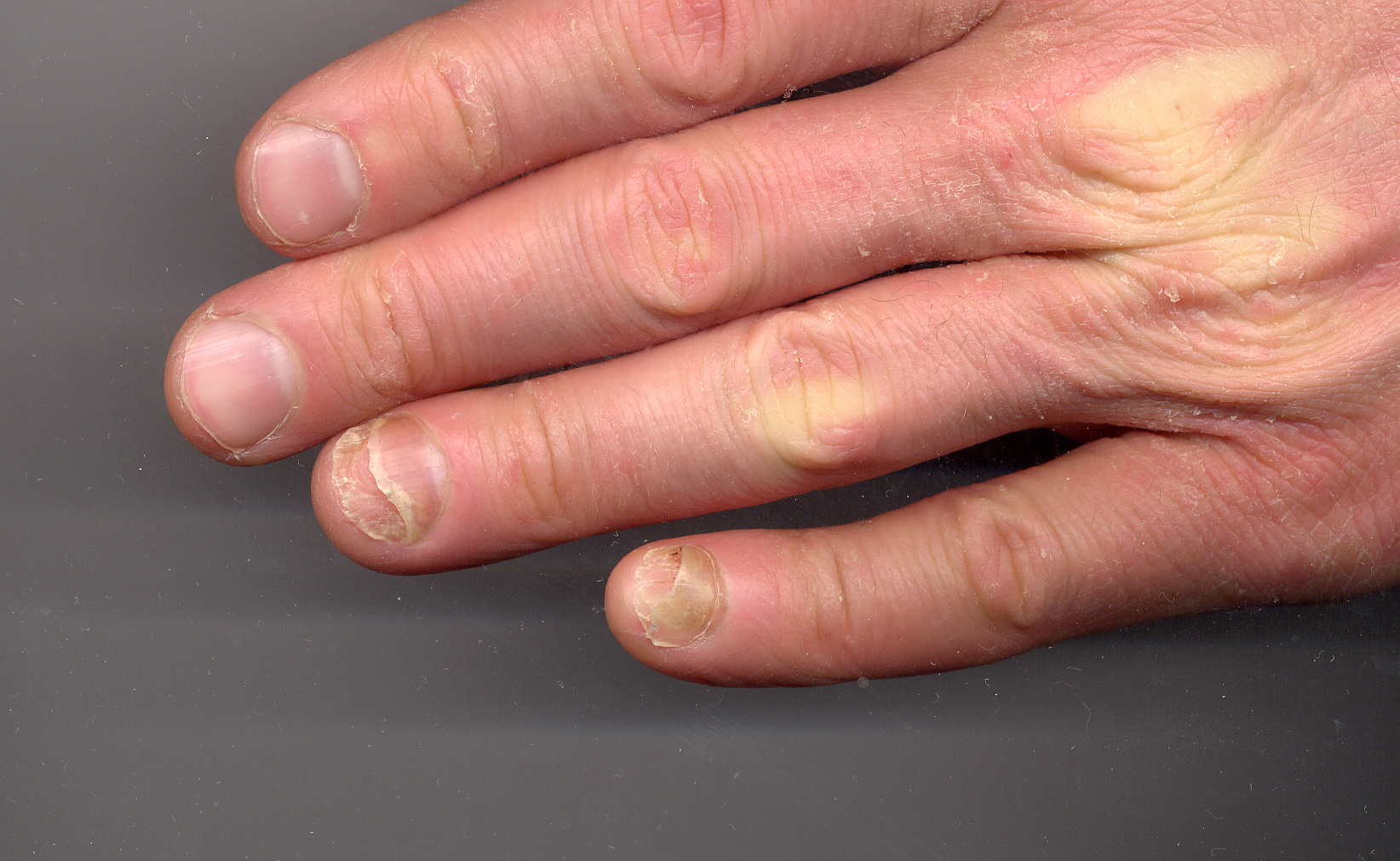
Debris Buildup Under the Plate
Subungual hyperkeratotic debris is the accumulation of dead skin cells, fungal filaments, and degraded keratin under the lifted nail plate. This buildup forms a crusty, chalky mass ranging in color from dirty yellow to dark brown. The trapped debris generates an uncomfortable fullness beneath the nail and often emits a sour smell.
Subungual debris feeds thriving fungal colonies, sustaining the cycle of infection. Standard home hygiene and surface washing cannot dislodge this deep accumulation without risking tissue trauma.
During at-home wellness visits, including a mobile pedicure new york clients schedule for hygienic foot care, licensed technicians inspect the nail plate and hyponychium. Technicians never scrape, excise, or debride infected fungal debris, as invasive digging risks puncturing the sensitive nail bed. Instead, our technicians direct clients to a podiatrist who can safely debride infected tissue using specialized medical instruments.
A Foul Odor From the Infected Area
A distinct, foul odor from the nail indicates active fungal decomposition and secondary bacterial colonization beneath the plate. The characteristic odor results from volatile organic compounds, microbial waste products, and decomposing keratin proteins. Regular surface washing with soap fails to neutralize this odor because the metabolic source sits trapped deep within the subungual space.
Moist, warm conditions inside enclosed footwear accelerate microbial breakdown and amplify the smell. Damp socks and synthetic shoes trap perspiration, creating an ideal breeding environment for dermatophytes and anaerobic bacteria.
Cosmetic nail care cannot eliminate microbial fungal odor. Over-the-counter deodorizers only mask the symptom temporarily. Resolving the foul odor requires prescription topical or oral antifungal medications prescribed by a medical doctor to eradicate the underlying pathogen.
Misshapen Growth
Chronic fungal infection causes misshapen nail growth by disrupting the nail matrix located beneath the proximal nail fold. When fungal colonies infect the matrix where new cells form, the nail grows out unevenly, curving downward, thickening into ram’s horn deformities (onychogryphosis), or growing crookedly to one side.
Distorted nails produce localized pressure against adjacent toes and footwear, causing difficulty walking. The irregular shape also snags easily on fabric, causing mechanical pulling and tissue irritation.
Correcting distorted nail growth requires eradicating the underlying fungal infection and allowing an entirely new nail plate to emerge. Fingernails require 6 to 12 months to regrow fully, while slower-growing toenails require 12 to 18 months. Medical treatment must be maintained consistently throughout this regrowth cycle to ensure healthy new matrix output.
Pain or Discomfort in the Area
Pain or tenderness around a fungal nail signals advancing disease, severe subungual pressure, or secondary bacterial infection. While early onychomycosis is rarely painful, advanced infections thicken the nail plate, causing significant compression against the sensitive nail bed when wearing closed shoes.
Discomfort typically intensifies during weight-bearing activities, such as walking, running, or standing for extended periods. In severe cases, acute pain, throbbing, warmth, or spreading erythema indicates that bacteria have penetrated the compromised nail barrier.
Nail technicians do not provide medical diagnosis or pain management. When clients experience nail pain or acute inflammation, Nailuxe technicians immediately halt cosmetic work and refer them to a medical doctor or podiatrist for diagnostic testing and targeted clinical therapy.
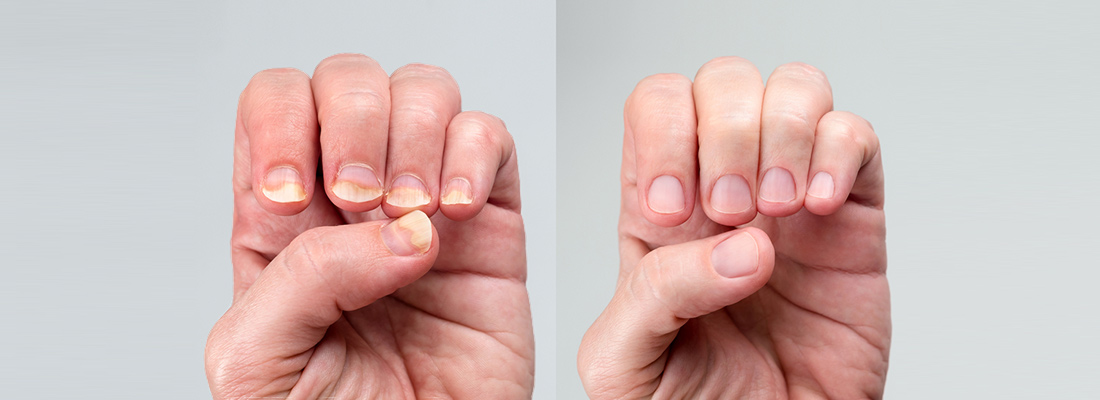
What Does a Fungal Infection Look Like on a Nail? (With Pictures)
A fungal nail infection presents visually with distinct discoloration, structural thickening, surface roughness, and subungual hyperkeratosis. Early stages display isolated white patches or yellow streaks along the lateral edges or distal tip. As the fungal colony spreads, the entire plate turns a dull, opaque yellow, dark amber, or grayish brown.
In advanced stages, the nail loses its natural smooth luster, displaying a chalky, crumbly texture with ragged edges and visible separation from the nail bed. Thickened, distorted plates often curve irregularly and trap crumbly subungual debris beneath the free margin.
Visual identification alone cannot confirm onychomycosis, as other nail conditions, such as nail psoriasis, lichen planus, and traumatic dystrophy, mimic fungal symptoms. Licensed dermatologists perform potassium hydroxide (KOH) preparations, fungal cultures, or PCR testing to confirm the exact fungal strain before initiating clinical treatment.
Frequently Asked Questions
What Causes Fungal Infections on Nails?
Dermatophytes, specifically Trichophyton rubrum and Trichophyton mentagrophytes, cause approximately 90% of toenail fungal infections. These microscopic fungi thrive in warm, dark, and humid environments, feeding on structural keratin proteins. Yeasts like Candida albicans and non-dermatophyte molds can also cause nail infections, particularly in fingernails. Fungi enter through micro-traumas, cuts, or small separations between the nail plate and nail bed. Damp environments like gym locker rooms, public swimming pools, communal showers, and occlusive footwear create prime conditions for fungal exposure and proliferation.
What Are Common Risk Factors for Developing Nail Fungus?
Advanced age, compromised peripheral circulation, and metabolic conditions like diabetes are the most common risk factors for nail fungus. Adults over 60 experience higher vulnerability due to slower nail growth rates and reduced immune defense. Systemic health conditions, such as diabetes mellitus, peripheral arterial disease, and immunocompromised states, impair microvascular blood flow and elevate infection risks. Lifestyle factors, including wearing tight, non-breathable footwear, walking barefoot in damp public facilities, repetitive sports-related nail micro-trauma, and chronic hyperhidrosis (excessive sweating), further increase susceptibility.
When Should I See a Doctor or Seek At-Home Nail Service in New York?
You should consult a dermatologist or podiatrist immediately if you experience pain, spreading redness, swelling, pus discharge, or if you have diabetes or poor circulation. Nailuxe technicians provide strictly cosmetic nail care and do not diagnose, treat, or trim fungal infections or ingrown toenails. If our licensed technicians observe signs of infection during an at-home appointment, they decline service on affected digits and refer you to a physician. For healthy nails, Nailuxe offers convenient at-home manicures and pedicures across all five New York City boroughs using hospital-grade hygiene, including metal tools steam-autoclaved at 121°C (250°F) for 30 minutes in sealed pouches.
What Are Potential Complications If Left Untreated?
Untreated onychomycosis can lead to permanent nail plate deformity, chronic pain, and severe secondary bacterial infections like cellulitis. The fungal pathogen can spread to adjacent toenails, fingernails, and surrounding skin, causing athlete’s foot (tinea pedis) or jock itch (tinea cruris). For individuals with diabetes, neuropathy, or vascular insufficiency, an untreated fungal nail can puncture adjacent tissue, creating non-healing skin ulcers and serious bacterial superinfections that require systemic antibiotics or surgical intervention.
How Can I Prevent Nail Fungus?
Effective nail fungus prevention requires keeping feet clean and dry, choosing breathable footwear, clipping nails straight across, and avoiding sharing personal grooming tools. Change socks daily, choosing moisture-wicking materials like merino wool or synthetic athletic fibers, and allow shoes to air out for at least 24 hours between wears. Always wear protective flip-flops or shower shoes in public locker rooms and pool decks. Never cut living cuticle tissue, as cuticles form an essential protective seal against microbial entry. Additionally, supporting nail health by consuming nutrient-dense foods for strong nails rich in biotin, zinc, and protein enhances structural resistance against environmental pathogens.
Nailuxe, a mobile nail service in New York City, brings licensed technicians to your home in Manhattan, Brooklyn, Queens, The Bronx, and Staten Island from 07:00 to 21:00, seven days a week. Your technician opens sterilized tools from a sealed pouch in front of you and works on a protective mat. Book at mobilenailnewyork.com or call +1442-555-4022.
Book your appointment with Nailuxe today:
- Brand: Nailuxe
- Operations Base: 191 Hancock St, Brooklyn, NY 11216, United States (no walk-in service)
- Hotline: +1442-555-4022
- Email: [email protected]
- Website: https://mobilenailnewyork.com
- Hours: 07:00–21:00 (7 AM–9 PM), Monday to Sunday
- Service Area: Manhattan, Brooklyn, Queens, The Bronx, Staten Island
