
Strong, healthy fingertips start with choosing the best nail shape for your hands and lifestyle. Whether you spend your days typing at a keyboard in Manhattan or commuting through Brooklyn, a suitable shape dramatically reduces breakage while maintaining a refined aesthetic. Clinical nail specialists consistently demonstrate that curved contours distribute mechanical pressure evenly across the nail plate, preventing painful stress fractures.
Bottom line: Round, squoval, oval, and almond contours provide superior protection against breaks, with round shapes offering the highest structural durability.
What Are the Best Nail Shapes to Prevent Breakage?
The four best nail shapes to prevent breakage are round, squoval, oval, and almond. These protective contours eliminate sharp 90-degree corners and vulnerable stress points across the natural keratin plate. They support the natural anatomy of the free edge and lateral sidewalls instead of exposing them to mechanical leverage.
Round Nails: A Classic That’s Tough to Crack
A round nail shape mirrors the natural contour of the fingertip, making it the most break-resistant form for natural nails. This shape distributes daily impact evenly across the entire free edge, eliminating localized pressure points that trigger cracks.
Round shapes provide distinct structural advantages:
- Eliminates sharp corners that snag on fabrics or hard surfaces
- Distributes mechanical pressure evenly across the free edge
- Requires minimal filing and everyday maintenance
- Protects natural nails during high-impact manual activities
Round contours work exceptionally well for shorter nail lengths. This shape protects your nail plate while maintaining a clean appearance if you type for extended hours, handle housework, or care for young children. The subtle curve also visually elongates short fingers without requiring fragile extension length.
Squoval Nails: The Best of Both Worlds
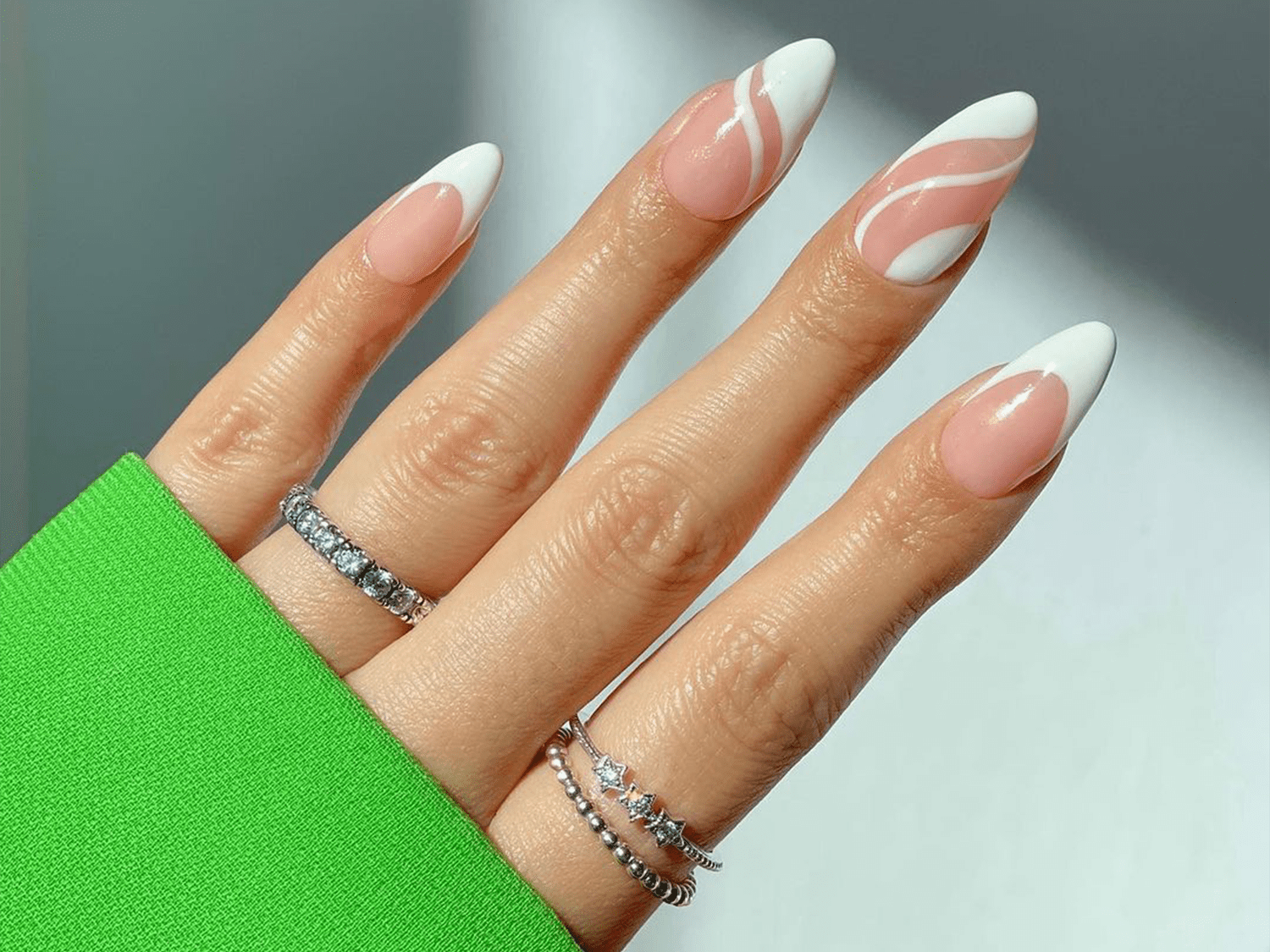
A squoval nail shape combines flat square strength with rounded lateral corners to eliminate sharp snag points. This hybrid design delivers the structural integrity of straight sidewalls alongside the protective benefits of curved edges.
The squoval form provides several practical benefits:
- Reinforces the nail plate through straight, parallel lateral walls
- Prevents edge tears by softening the outer corners
- Flatters broad, narrow, and elongated nail beds alike
- Maintains reliable structural balance at medium lengths
This contour provides a sharper, more modern silhouette than traditional round nails while maintaining daily durability. Squoval tips require far less maintenance than sharp square edges while looking polished in corporate and casual environments. Professional nail technicians frequently recommend squoval shapes because they resist corner chips and showcase creative finishes cleanly.
Oval Nails: Sleek, Safe, and Stylish
An oval nail shape tapers gently along the lateral sidewalls into a curved tip, providing feminine elegance with strong split resistance. This geometry follows the natural curve of your nail bed, redirecting physical force away from vulnerable sidewalls.
Oval shapes deliver specific durability advantages:
- Reduces stress concentration by eliminating flat impact zones
- Elongates the appearance of fingers through gentle side tapering
- Maintains structural integrity across short to medium lengths
- Adapts comfortably to active hand movements without chipping
The oval profile suits individuals seeking an elevated aesthetic without excessive length. Oval tips withstand daily physical contact gracefully because they glide over surfaces rather than catching against them. Licensed technicians frequently recommend oval shaping for clients recovering from nail plate thinning, as the curved tip promotes steady regrowth.
Almond Nails: Strong Yet Feminine
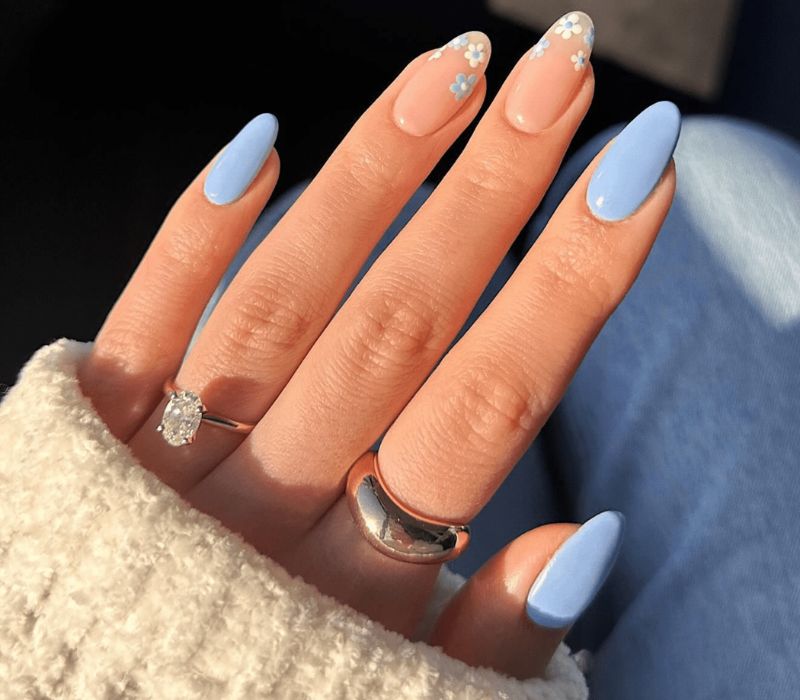
An almond nail shape tapers from a wide base to a soft, rounded peak, offering balanced durability for medium and longer lengths. Resembling the nut after which it is named, this shape creates an elongated silhouette without the fragile point of a stiletto.
Almond shapes combine elegance with dependable strength:
- Transfers lateral force downward toward the reinforced nail bed
- Creates an elongating visual effect for fingers and hands
- Follows the natural growth direction of the lateral grooves
- Provides a durable foundation for modern nail art and minimalist accents
Preserving strength in almond tips requires precise architectural balance. The side taper must remain gradual and symmetrical, culminating in a rounded tip rather than a sharp peak. This gradual taper prevents edge micro-fractures while delivering a sleek aesthetic.
Almond contours perform best at medium to long lengths supported by healthy natural plates or lightweight structured overlays. They represent a durable avenue to embrace the long nails 2025 aesthetic for events and everyday wear.
Frequently Asked Questions About Nail Durability
Nail durability depends on edge geometry, lateral sidewall support, and keratin plate thickness. Understanding how different silhouettes interact with daily physical contact allows you to protect your natural nails from preventable fractures.
Are Some Nail Shapes More Prone to Breaking?
Yes, nail shapes with sharp corners, extreme taper angles, or elongated points break significantly more easily due to concentrated mechanical stress. Filing away side support leaves the center plate vulnerable to snapping under minimal pressure.
Do Square Nails Break More Easily?
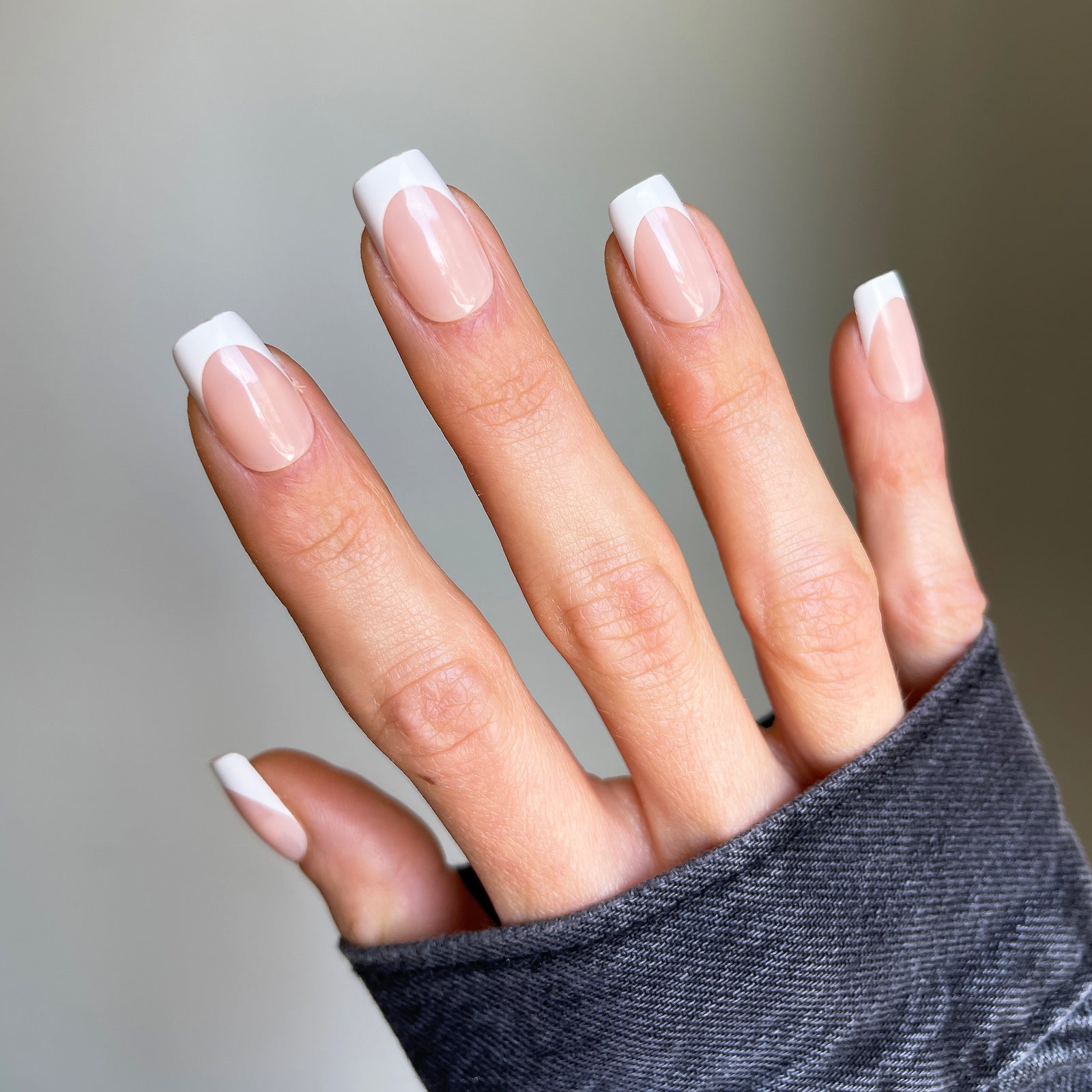
Yes, square nails break more easily because their sharp 90-degree corners act as mechanical stress concentrators that snag and chip. When direct pressure strikes a square edge, force accumulates at the outer corners rather than dispersing across the free edge.
Square shapes present specific vulnerability factors:
- Catches sharp outer points on apparel, pockets, and daily objects
- Concentrates impact stress directly at the 90-degree corners
- Permits minor corner chips to migrate into painful horizontal cracks
- Demands frequent perimeter filing to maintain crisp angles
Square tips can achieve moderate durability when maintained at a short length on thick keratin plates. However, growing square nails past the fingertip multiplies leverage against the stress line, increasing the probability of sudden breaks.
Are Coffin and Stiletto Nails High-Risk for Breakage?
Yes, coffin and stiletto nails carry the highest breakage risk because dramatic tapers and extended lengths concentrate leverage on the central stress area. Stiletto shapes narrow to a sharp point, while coffin tips square off abruptly at extreme lengths, leaving sidewalls with minimal structural backing.
Extreme silhouettes break readily for distinct structural reasons:
- Concentrates impact shock onto narrow, unsupported apex points
- Magnifies physical leverage against the natural nail bed
- Restricts routine manual tasks without risking bending or snapping
- Requires rigid enhancement overlays to survive everyday wear
These dramatic forms require substantial reinforcement, such as full sets sculpted with ethyl methacrylate (EMA) monomer. If you desire extended lengths, booking a professional mobile acrylic nails nyc service ensures proper apex placement and safe soak-off maintenance.
How Can I Keep My Manicure Stronger for Longer?
You can keep your manicure stronger for longer by pairing a low-stress shape with daily hydration, barrier protection, and routine rebalancing. Consistent aftercare preserves flexibility within the keratin layers, preventing brittle cracking.
What Promotes Growth and Strength in Nails?
Fingernails grow about 3.47 mm (0.14 in) a month, and maintaining balanced hydration with protective cuticle lipids promotes optimal keratin strength. A 2010 study published in the Journal of the European Academy of Dermatology and Venereology confirmed this healthy baseline growth rate, which requires consistent care to sustain.
Essential strengthening habits include:
- Applying jojoba-based cuticle oil twice daily to preserve plate flexibility
- Wearing protective gloves during dishwashing and chemical cleaning tasks
- Applying a protective base coat to shield against moisture loss and staining
- Using fingertip pads instead of free edges to type, open cans, and peel labels
- Moisturizing hands consistently with barrier creams containing ceramides or shea butter
Professional strengthening treatments reinforce thin or damaged plates effectively. However, you should avoid overusing formaldehyde-based hardeners, as excessive plate rigidity causes keratin to snap rather than flex upon impact.
Scheduling professional maintenance every 2 to 3 weeks preserves proper shape proportions as the free edge grows out. A licensed technician files the perimeter symmetrically, keeping your stress area balanced and secure.
How Can I Prevent Square Tips from Chipping?
You can prevent square tips from chipping by slightly rounding the sharp outer corners and sealing the free edge with top coat. Softening the 90-degree points removes the primary snag hazard while retaining a structured aesthetic.
Effective square tip protection methods include:
- Beveling sharp outer edges slightly with a fine-grit 240-grit file
- Capping the free edge thoroughly with base and top coats
- Maintaining short to moderate lengths to reduce mechanical leverage
- Applying nourishing cuticle oil along the hyponychium and lateral walls
- Avoiding unpadded typing or heavy downward friction on corner edges
Adopting a “soft square” shape removes sharp stress concentrators without sacrificing clean straight lines. If a minor fissure occurs, knowing how to fix a broken nail with nail resin at home protects the remaining manicure until your next professional visit.
What Is the Optimal Shape for Overall Nail Health?
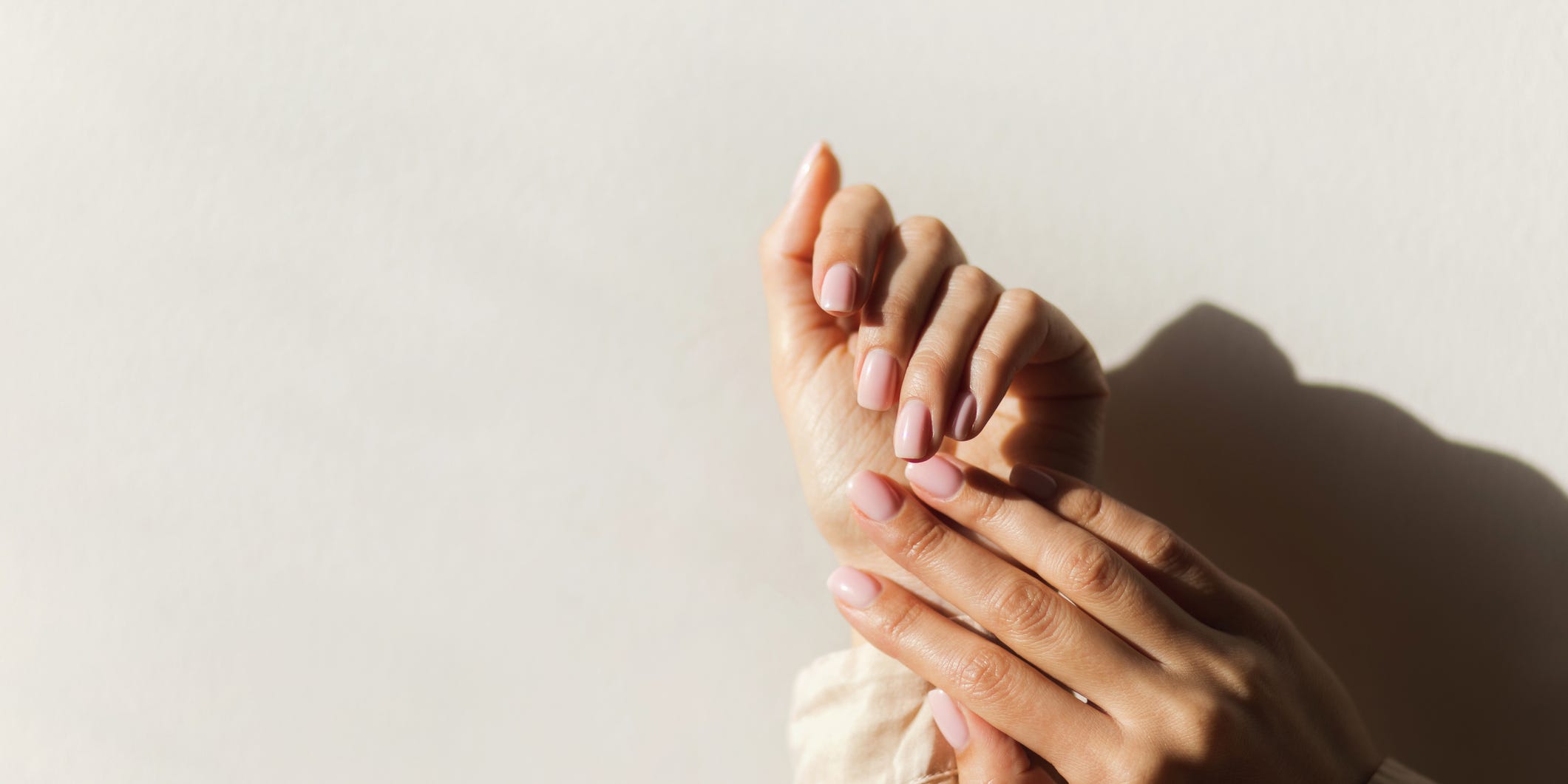
The optimal shape for overall nail health is a short round or squoval contour that mirrors the natural hyponychium and avoids lateral sidewall stress. Dermatologists and nail specialists emphasize contours that minimize mechanical tension while facilitating thorough hygienic cleansing.
Core nail health fundamentals include:
- Maintaining a conservative free edge length to reduce subungual microbial buildup
- Filing exclusively in one direction to prevent microscopic keratin delamination
- Preserving smooth, rounded lateral borders to disperse daily impact
- Avoiding deep filing into lateral sidewalls to protect the nail groove
- Shaping the free edge in harmony with your natural cuticle contour
Round and squoval silhouettes align seamlessly with these clinical guidelines. By eliminating sharp corners, they reduce snagging and minimize debris accumulation under the free edge.
A licensed technician adjusts your shape incrementally as your natural nails grow, ensuring transitions occur safely without weakening lateral sidewalls.
Choosing the Right Nail Shape for You with MobileNailNewyork in New York
Choosing the right nail shape for your hands requires balancing your daily mechanical activity, natural nail bed anatomy, and maintenance schedule. At-home nail consultations make this selection simple and accurate.
Key criteria for selecting your optimal shape include:
- Daily activity level: Frequent typing and manual work necessitate durable round or squoval shapes
- Plate thickness: Thinner natural nails gain structural resilience from curved round edges
- Finger proportions: Oval and almond contours visually lengthen broad or short finger structures
- Maintenance cadence: Round and squoval styles demand less frequent shaping than tapered designs
- Aesthetic preferences: Tailor your free edge to complement your everyday wardrobe and professional roles
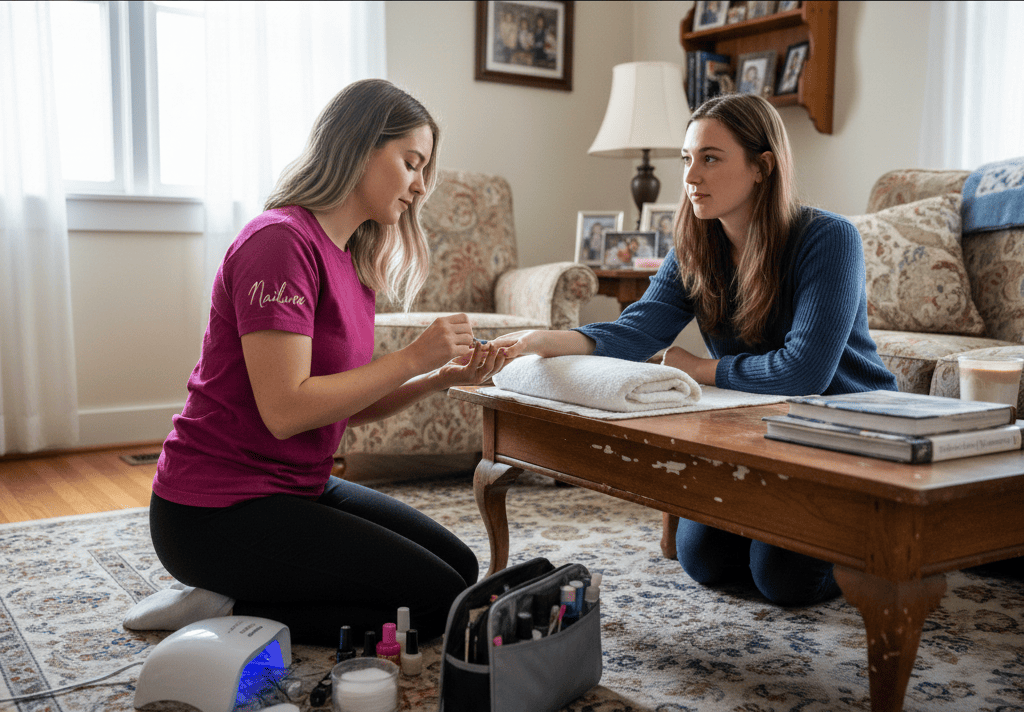
Nailuxe, a mobile nail service in New York City, delivers personalized shape consultations directly to your living room or office. Every technician holds a New York State Nail Specialty License and evaluates your natural nail health before shaping. Serving Manhattan, Brooklyn, Queens, The Bronx, and Staten Island, our mobile model enables you to transition shapes safely without the hassle of salon travel.
The Bottom Line for a Low-Maintenance Manicure at Home in New York
The bottom line for a low-maintenance manicure in New York is selecting a break-resistant shape that fits your routine without requiring constant salon repairs. Round contours provide maximum durability against fractures, while squoval and oval shapes offer elegant silhouettes with dependable strength. Almond styles offer refined beauty at longer lengths when maintained with proper apex support.
Prioritize the following factors when selecting your shape:
- Alignment with your professional, athletic, and domestic tasks
- Inherent natural nail thickness and lateral wall support
- Time available for home cuticle oil application and routine fills
- Professional guidance from licensed technicians during shape transitions
Selecting the appropriate contour prevents cracks, extends manicure longevity, and maintains polished hands with minimal effort. For reinforced strength on active hands, booking an at home dip powder nyc service provides a resilient overlay that protects your chosen shape for 3 to 4 weeks.
Nailuxe, a mobile nail service in New York City, brings licensed nail technicians to your home, office, or event venue across Manhattan, Brooklyn, Queens, The Bronx, and Staten Island from 07:00 to 21:00, seven days a week. Every technician holds a New York State Nail Specialty License and uses hospital-grade metal tools steam-autoclaved at 121°C (250°F) for 30 minutes, unsealed from a sterile pouch directly in front of you. Whether you schedule a chip-resistant mobile gel manicure nyc or book convenient at home nails queens, our team ensures your nail shape receives meticulous care that maximizes both durability and beauty.
Book your personalized nail shape consultation with Nailuxe today:
- Brand: Nailuxe
- Operations Base: 191 Hancock St, Brooklyn, NY 11216, United States (no walk-in service)
- Phone: +1442-555-4022
- Email: [email protected]
- Website: https://mobilenailnewyork.com
- Hours: 07:00–21:00 (7 AM–9 PM), Monday to Sunday
- Service Area: Manhattan, Brooklyn, Queens, The Bronx, and Staten Island
