

New York’s fast-paced lifestyle demands precision in every personal care detail, including your manicure. Achieving salon-worthy results at home starts with selecting the proper nail file for your specific nail plate structure. This comprehensive guide reveals how to choose the ideal implement for your nail type, ensuring durable, healthy outcomes from your Manhattan apartment, Brooklyn brownstone, or home in Queens, The Bronx, or Staten Island.
Understanding Nail File Materials and Types
Nail file abrasive materials directly determine filing efficiency, thermal friction, edge smoothness, and keratin plate health. Selecting the correct implement balances material removal speed with long-term structural integrity.
Coarse Grit Files (80-100): For Acrylics and Shaping
Coarse grit files (80–100 grit) feature heavy abrasive particles designed exclusively for artificial nail enhancements. An 80-grit file reduces bulk length on thick acrylic extensions, while a 100-grit file shapes perimeter sidewalls, hard gel overlays, and tip blends efficiently.
Never use coarse grit implements on natural nails. Their aggressive abrasive density tears fragile dorsal keratin layers, causing plate thinning, onychoschizia (horizontal splitting), and permanent bed weakness. Reserve 80–100 grit files strictly for artificial enhancement shaping, rebalancing, and removal procedures.
Medium Grit Files (180-220): For Natural Nails and General Shaping
Medium grit files (180–220 grit) represent the ideal abrasive balance for shaping natural nails and refining artificial overlays. A 180-grit surface shortens and contours healthy natural free edges without splintering, while a 220-grit file smooths rough margins and prepares artificial enhancements for buffing.
This grit range removes nail material steadily while maintaining edge integrity. Most licensed nail specialists consider a cushioned 180/220-grit board an essential tool for routine natural nail manicures.
Fine Grit Files (240-600): For Finishing and Smoothing Natural Nails
Fine grit files (240–600 grit) deliver the refined, snag-free finish seen in high-end mobile manicures. A 240-grit file provides the safest surface for shaping thin, brittle, or post-enhancement natural nails without causing micro-fractures.
Ultra-fine options (400–600 grit) function as finishing buffers. They polish the free edge, eliminate micro-ridges, and seal keratin layers, creating a clean base that enhances lacquer adhesion and extends gel polish wear.
Emery Boards
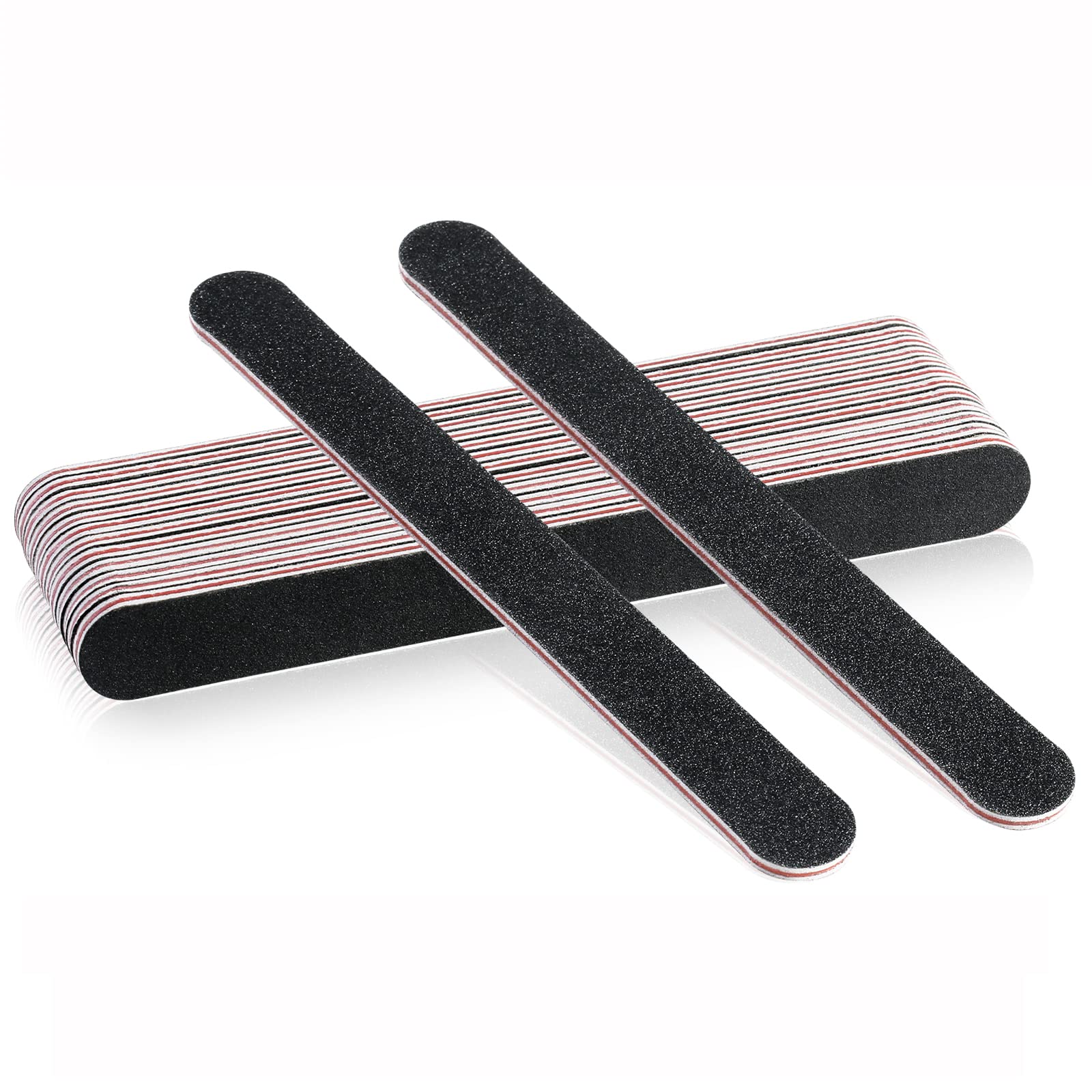
Traditional emery boards feature flexible cardboard or thin foam cores coated with emery or silicon carbide abrasives. These disposable tools offer an accessible, low-cost option for quick home touch-ups, though cardboard cores degrade quickly under pressure and absorb moisture.
Emery boards suit single-use applications where strict hygiene protocols are essential. In professional settings, single-use boards prevent cross-contamination, though reusable etched glass files provide greater durability and environmental sustainability for home use.
Glass and Crystal Nail Files
Many clients ask why they should choose a glass nail file over traditional boards, and the reason is clinical: chemically etched glass represents the pinnacle of natural nail care technology. The ultra-fine, non-porous filing surface seals the microscopic keratin plates at the free edge, preventing splits, peeling, and chipping.
Crystal files offer exceptional longevity and hygienic safety. Because their abrasive texture is permanently etched into the glass rather than glued onto a backing, they never wear out. They withstand hospital-grade liquid disinfectants and autoclave heat without dulling, ensuring smooth, low-friction filing at home.
Dermatologists and nail care specialists consistently recommend etched glass implements for fragile, peeling, or brittle nails. Regular use reinforces natural nail growth by locking in natural moisture and eliminating edge snag points.
Metal and Sapphire Nail Files
Modern metal nail files feature patterned stainless steel surfaces engineered for durability and rapid sanitization. They resist corrosion and handle tough toenails or artificial enhancements effectively.
Sapphire files bond crushed synthetic sapphire crystals to a rigid metal core for enhanced cutting sharpness. While durable, rigid metal and sapphire files can transmit excessive vibration to delicate natural nail beds, requiring controlled, light pressure to prevent delamination.
Metal implements excel in durability and ease of sterilization in busy environments. However, natural nails require a gentle, measured touch when using metal files to prevent unintentional over-thinning.
How To Choose The Right File For Your Nail Type
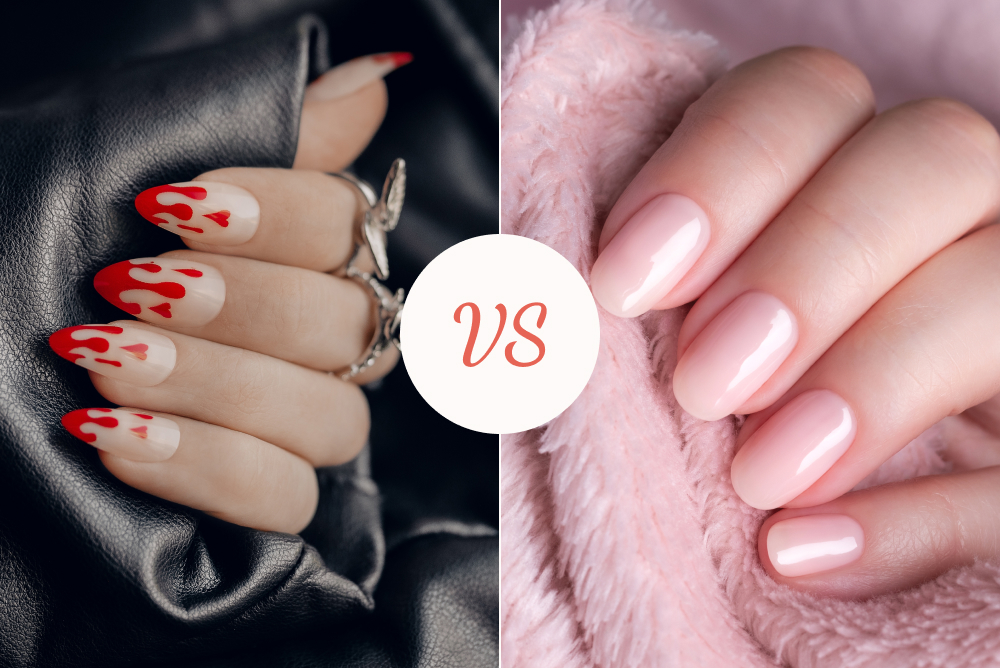
Your natural nail plate thickness, hydration level, and enhancement status determine the optimal file material and grit. Matching your file to your specific nail condition prevents accidental micro-trauma. Once you select the proper implement, you can find your nail shape to complement your hand proportions.
Choosing a File for Natural Nails at Home
Natural fingernails require gentle, controlled abrasive surfaces between 240 and 400 grit. An etched glass file or a padded 240-grit board shapes the free edge cleanly without causing stress fractures in the keratin structure.
Evaluate your nail thickness before filing. Thin, flexible, or peeling nails require ultra-fine surfaces (240–320 grit) to minimize vibration, while firm, thick natural nails handle medium textures (180–220 grit) efficiently. Observe how your nail edges respond to different grits and adjust your tool selection accordingly.
Always file natural nails when they are completely dry. Wet keratin plates absorb water, swell, and become pliable, making them highly susceptible to uneven tearing and splitting under abrasive friction. Allow your hands to dry thoroughly after washing before shaping your nails.
Choosing a File for Acrylic or Gel Nails
Artificial enhancements require coarser grit ratings to reduce dense polymer layers and shape structured extensions. Begin shaping with a 100–150 grit file to remove excess length and define outer edges, then progress to medium grits for refining surface contours.
Never place coarse files against the natural regrowth area, proximal nail fold, or cuticle line. Confine aggressive filing to the enhancement free edge and apex. Switch to a 220–240 grit file when working near natural nail margins to protect the living nail plate from thinning.
Professional technicians utilize a stepped grit progression: start with 100 grit for bulk reduction, advance to 180 grit for structural balancing, and finish with a 240-grit buffer for surface refinement. This sequence produces smooth, balanced enhancement profiles without damaging underlying tissue.
The MobileNailNewyork Professional Recommendation for Flawless At-Home Nails in New York
Nailuxe licensed nail technicians recommend an etched glass file with a 240-grit surface for natural nail maintenance. Glass files seal edge keratin layers uniformly, prevent peeling, and last indefinitely with regular sanitization.
For a complete at-home kit, keep three dedicated implements: a 100/180-grit file for artificial enhancements, a 240-grit glass file for natural nail shaping, and a 400/600-grit buffer for edge finishing. Nailuxe mobile technicians carry sealed, single-use files and steam-autoclaved implements to every appointment across Manhattan, Brooklyn, Queens, The Bronx, and Staten Island, ensuring medical-grade hygiene in the comfort of your home.
Proper Techniques for Filing Nails Safely at Home
Precise technique protects your natural nail matrix as much as correct tool selection. Understanding how to file nails safely ensures symmetric edges, balanced strength, and healthy growth.
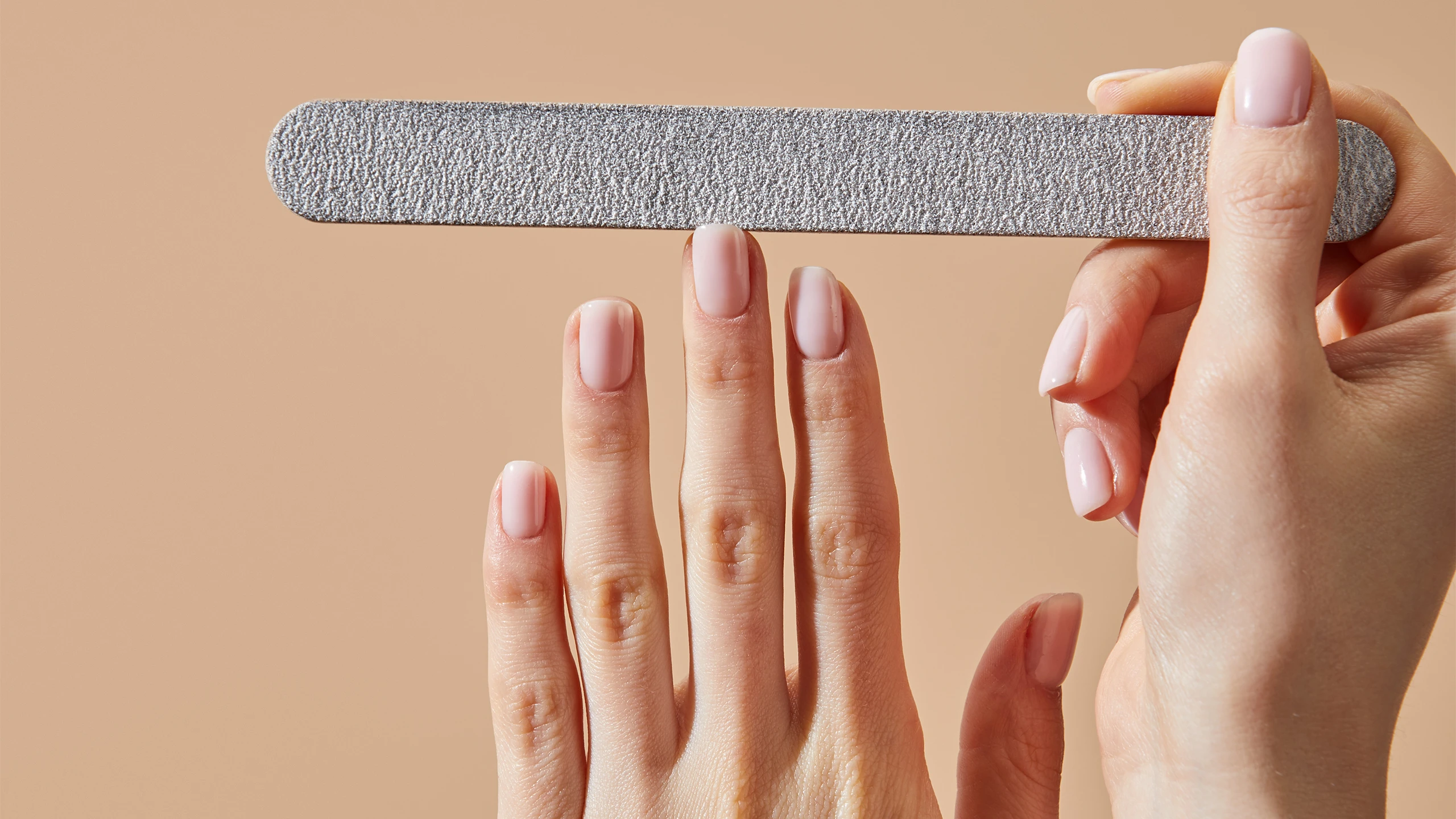
File in one direction only. Sawing back and forth across the free edge generates excessive frictional heat and tears keratin layers, leading to micro-cracks and premature peeling. Direct your filing strokes consistently from the outer edge toward the center.
Hold the file at a 45-degree angle beneath the free edge. This beveling angle supports the natural nail arch and prevents thinning of the top dorsal layer. Avoid holding the file perpendicular or tilted downward against the top surface, which weakens the nail plate.
Apply light, uniform pressure throughout the stroke. Allow the abrasive grit to cut the nail edge smoothly rather than forcing the movement. Heavy pressure flexes the nail plate and produces jagged, uneven margins.
Shape from the outer sidewalls toward the center point in smooth strokes. Avoid filing deeply into the lateral stress points or corners, as removing supporting sidewall structure increases the risk of painful breaks and hangnails.
How To Clean and Sanitize Your Nail Files
Regular tool hygiene prevents bacterial and fungal buildup while preserving abrasive cutting performance. Clean implements protect your nail bed and support healthy manicures.
Wash non-porous glass and metal files after every use with warm water and antibacterial liquid soap. Use a soft nylon brush to remove trapped keratin dust, rinse thoroughly, and air-dry completely on a clean towel.
For hospital-grade disinfection at home, submerge clean glass or metal files in a 70% isopropyl alcohol solution for 10 minutes (at least 1.3 cm or 0.5 inches in depth). Remove, rinse with clean water, and allow to air-dry before storing.
Do not soak cardboard or foam emery boards in water or liquid disinfectants, as moisture compromises their adhesive layers and encourages microbial growth. Treat emery boards as personal, short-term implements and discard them once their grit wears down.
Store clean, dry nail files in a protective hard case or breathable pouch. Keep your tools in a clean, low-humidity environment away from bathroom moisture to prevent bacterial contamination between uses.
Frequently Asked Questions
What Do The Numbers On A Nail File Mean?
The numbers on a nail file indicate its grit count, measuring abrasive particle density per square inch. Lower numbers (80–100) signify larger, coarser particles designed for debulking acrylics and hard gels. Higher numbers (240–600) indicate finer abrasive particles intended for gentle natural nail shaping, smoothing, and buffing.
Does The Shape Of A Nail File Matter?
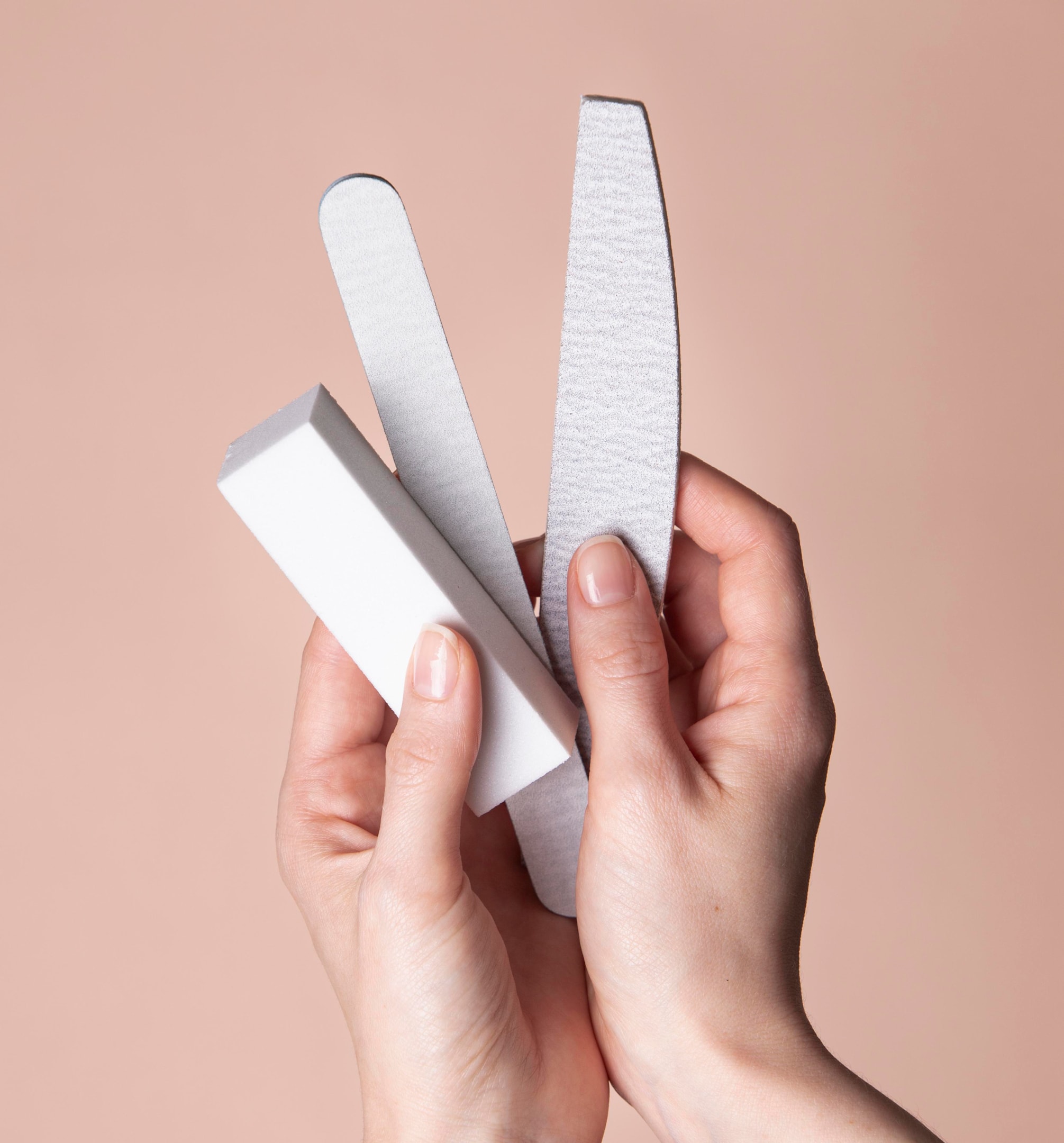
Yes, a nail file’s shape determines handling maneuverability and shaping accuracy for specific styles. Straight files provide even edge contact for precise square or squoval shapes. Curved or banana files follow the natural curvature of cuticles and rounded almond edges without nicking surrounding skin. Half-moon files combine a straight edge and a curved edge, offering versatile control for home manicures.
How Can Using The Wrong Nail File Cause Damage?
Using an incorrect nail file strips protective dorsal keratin layers, causing plate thinning, vertical fissures, and breakage. Using coarse 80–100 grit files on natural nails generates deep micro-fractures that extend downward into the nail bed. Over-filing thins the plate structure, leaving nails sensitive, brittle, and unable to support polish wear.
What Common Mistakes Should I Avoid When Filing?
The most damaging mistakes include filing wet nails, sawing back and forth, and over-filing lateral sidewalls. Wet nails absorb water and tear easily under abrasive pressure. Filing in a back-and-forth sawing motion produces micro-tears in keratin layers, while filing deeply into corners weakens the nail’s structural stress point and leads to edge breaks.
Do Nail Files Need To Be Replaced?
Yes, all nail files require replacement, though replacement frequency depends on the core material. Etched glass files last indefinitely with routine sanitization and only require replacement if dropped and chipped. Emery boards wear down after 3 to 4 uses and should be replaced when smooth. Metal files should be replaced once their etched abrasive loses cutting efficiency and requires excessive pressure.
Living the fast-paced New York lifestyle shouldn’t mean compromising on nail care excellence. Nailuxe, a mobile nail service in New York City, brings licensed technicians directly to your home, office, or hotel across Manhattan, Brooklyn, Queens, The Bronx, and Staten Island from 07:00 to 21:00, seven days a week. Your technician opens sterilized metal tools from a sealed autoclave pouch in front of you and utilizes fresh, single-use files on a protective mat—delivering professional manicures, pedicures, gel nails, acrylics, and dip powder, including luxurious at home nails bronx, without requiring a trip to a salon.
Schedule your appointment with Nailuxe today to experience professional nail care that fits your lifestyle.
Brand: Nailuxe
Operations Base: 191 Hancock St, Brooklyn, NY 11216, United States (no walk-in service)
Hotline: +1442-555-4022
Email: [email protected]
Website: https://mobilenailnewyork.com
Hours: 07:00–21:00 (7 AM–9 PM), Monday to Sunday
Service Area: Manhattan, Brooklyn, Queens, The Bronx, Staten Island
