

Choosing the right polish remover protects your keratin nail plate while supporting your at-home manicure routine. Nailuxe, a mobile nail service in New York City, helps clients maintain healthy natural nails across all five boroughs. Understanding the functional differences between acetone and non-acetone formulas ensures you select the correct solvent for your enhancement type, lifestyle, and skin sensitivity.
Bottom Line: Acetone dissolves stubborn gel polish and enhancements in 30–60 seconds, but temporarily dehydrates your natural nail plate. Non-acetone removers take 2–5 minutes to lift color, but preserve essential cuticle moisture. Select acetone for gel, acrylic, and glitter polishes, and use non-acetone for weekly regular polish changes.
Acetone vs. Non-Acetone Removers: The Key Differences
Acetone and non-acetone removers differ primarily in their chemical active ingredients, solvent strength, and interaction with natural nail moisture. Acetone acts as a rapid solvent that breaks polymer bonds quickly, whereas non-acetone formulas use milder esters that lift lacquer gradually without stripping protective lipids.
A Look at the Main Ingredients
Acetone polish removers contain 90%–100% pure dimethyl ketone as their active solvent. Dimethyl ketone rapidly dissolves synthetic film-formers, plasticizers, and resins on the nail surface.
Non-acetone removers rely on alternative solvents, such as ethyl acetate, isopropyl alcohol, and propylene glycol. Manufacturers blend these gentle solvents with conditioning emollients, such as vitamin E, vegetable glycerin, and jojoba oil. These nourishing additives counteract surface dehydration during color removal.
Effectiveness on Different Types of Polish
Both acetone and non-acetone formulas dissolve traditional nitrocellulose nail lacquer within 60 seconds. However, significant performance differences emerge when removing stubborn coatings, such as gel vs dip vs acrylic enhancements.
Acetone dissolves cured gel polish and stubborn glitter layers within 30–60 seconds of contact. Highly pigmented lacquers, metallic coats, and specialty nail polish finishes lift cleanly without mechanical scraping.
Non-acetone removers require 2–5 minutes of continuous soaking to soften resistant formulas. You must apply multiple saturated cotton pads to lift long-wear pigments. This slower breakdown prevents cuticle irritation caused by aggressive friction.
The Impact on Overall Cuticle and Plate Health
Your nail plate consists of 25–30 compact keratin layers that react distinctly to chemical solvents. Acetone temporarily strips natural sebum and inter-cellular lipids, leaving the nail plate dry and chalky for 24–48 hours without proper aftercare.
Non-acetone formulas protect the natural lipid barrier of the nail bed and perionychium during removal. Added conditioning agents actively nourish surrounding tissue during the cleaning process. This gentler action maintains long-term nail flexibility, especially if you change polish weekly.
A Closer Look at Acetone-Based Polish Remover
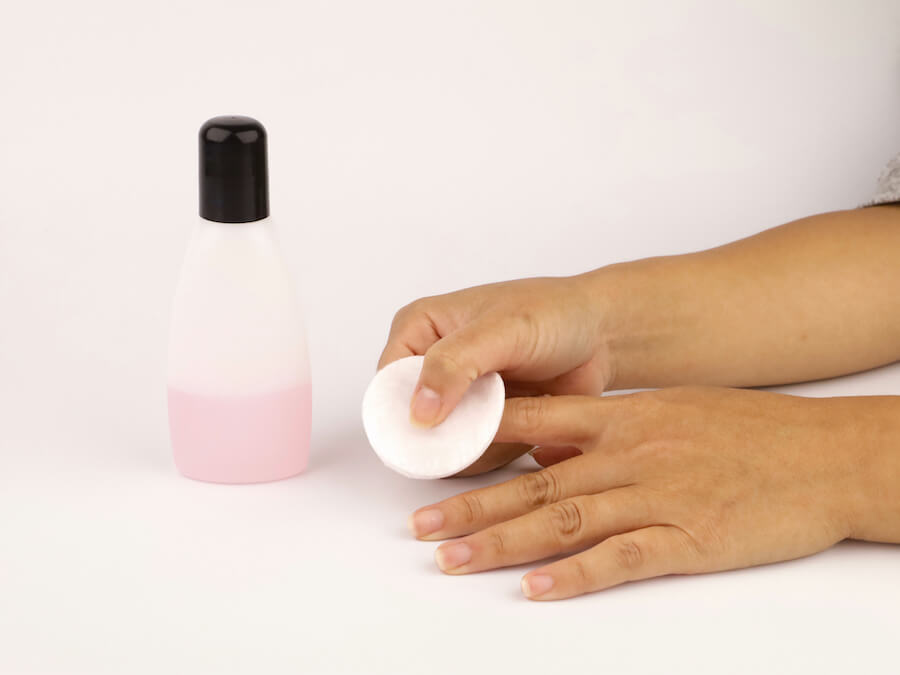
Acetone-based polish remover is a fast-acting solvent formulated to dissolve stubborn nail coatings and artificial enhancements. Licensed nail technicians utilize acetone when rapid breakdown of polymer cross-links is required.
The Pros: Unmatched Speed and Strength
Unmatched dissolution speed is the primary advantage of acetone-based removers. Saturated cotton pads dissolve gel manicures in under 2 minutes, saving valuable time during busy New York schedules.
The solvent cuts through complex product layers indiscriminately. Acetone cleanly strips long-wearing formulas, including the best base coat, multi-layered nail art, and structural top coats. Professional technicians depend on this consistent dissolution power for reliable prep.
Acetone eliminates pigment residue completely from the nail plate. Unlike milder alternatives that can smear dark pigments into the lateral nail folds, acetone leaves a pristine surface for your next manicure application.
The Cons: Risk of Dehydration for Cuticles and Skin
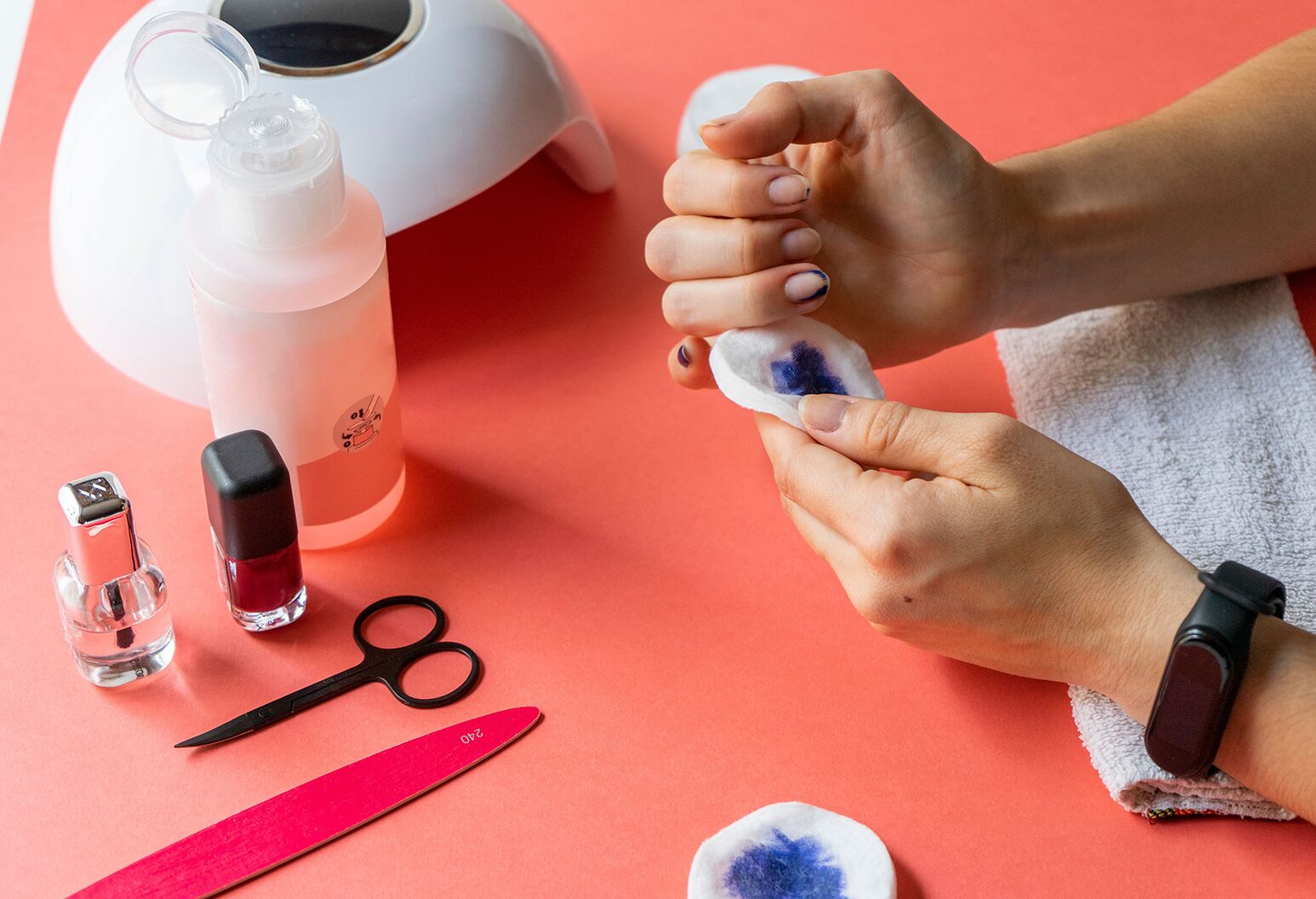
Cuticle dehydration and keratin moisture loss represent the main drawbacks of acetone exposure. Acetone rapidly evaporates moisture, which leaves surrounding skin white, tight, and prone to hangnails.
Frequent acetone use without rehydration weakens nail architecture over time. Repeated cycles of solvent stripping cause brittleness, onychoschizia (plate splitting), and surface peeling. Clients with sensitive skin may develop irritant contact dermatitis around the proximal nail fold.
Volatile acetone vapors can irritate your respiratory tract in enclosed spaces. This vapor concentration requires proper air circulation if you perform at-home manicures in compact New York apartments.
A Closer Look at Non-Acetone Polish Removers
Non-acetone polish removers are gentle solvent blends designed to remove nail lacquer while preserving tissue hydration. These formulas prioritize cuticle health for frequent polish users and individuals with sensitive skin.
The Pros: A Gentler Approach for Sensitive Cuticles
Preserving the skin’s protective lipid barrier is the primary benefit of non-acetone removers. Nourishing ingredients maintain moisture within the nail matrix, leaving cuticles soft and hydrated after removal.
These mild formulas lower the likelihood of redness, flaking, and chemical allergies. Individuals with eczema, compromised cuticles, or chemical sensitivities tolerate ethyl acetate removers significantly better than pure acetone.
Reduced volatile fumes create a pleasant, low-odor environment during at-home nail care. You can safely remove polish in smaller living quarters without strong odors or respiratory discomfort.
The Cons: Requires More Time and Effort
Extended removal time is the greatest disadvantage of non-acetone formulas. Dissolving traditional polish takes 2–5 minutes per nail and requires multiple saturated cotton pads.
Stubborn cosmetic formulations resist non-acetone solvents entirely. Cross-linked gel polish, dip powder, and dense glitter manicures will not dissolve effectively without acetone. Attempting to force product off can lead to abrasive rubbing that scratches the nail plate.
Cost per removal session increases with non-acetone products. Non-acetone bottles cost 20%–30% more than standard acetone, and you consume more volume per service due to slower solvent action.
Which Remover Should You Use for Your At-Home Nail Care in New York?
Your current nail enhancement type, schedule, and skin sensitivity dictate your ideal polish remover. Matching your specific manicure system to the appropriate chemical solvent protects natural nail integrity.
When to Choose Acetone for Your Manicure
Choose acetone when removing gel manicures, acrylic sets, and dip powder systems. The risk of plate thinning from peeling off gel polish is severe, whereas acetone soak-off dissolves the polymer cleanly.
Select acetone if you require maximum efficiency on a tight schedule. Saturated foil wraps dissolve gel polish within 10–15 minutes, allowing you to finish removal during a brief work break.
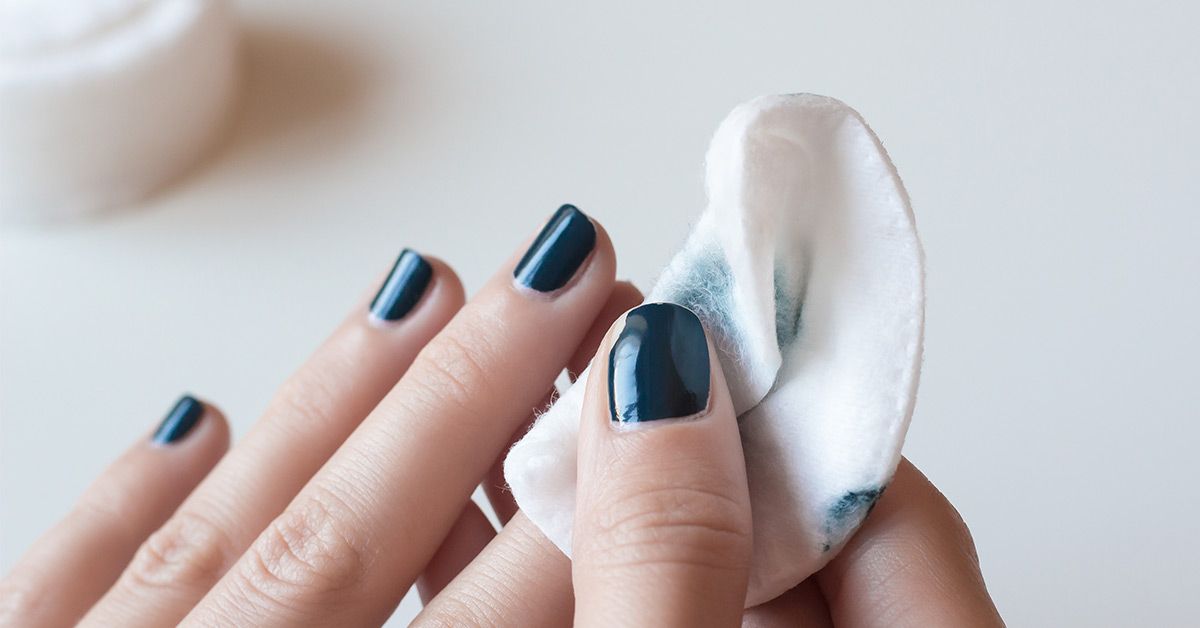
Opt for acetone when switching between dark or saturated lacquer pigments. Acetone clears deep red, navy, and black lacquers completely, preventing pigment stains on natural keratin.
When Non-Acetone is the Better Option
Choose non-acetone removers if you have dry cuticles, eczema, or sensitive skin. Gentle ester solvents prevent cuticle peeling and maintain healthy barrier function.
Use non-acetone for weekly regular polish maintenance. Standard nail lacquer lifts smoothly with ethyl acetate, keeping natural fingernails flexible between color updates.
Select non-acetone formulations during pregnancy or breastfeeding if you prefer low-odor personal care. Non-acetone solutions minimize solvent fumes and respiratory exposure in your living space.
The MobileNailNewyork Professional Recommendation for New York Clients
Nailuxe technicians recommend a targeted hybrid approach for New York clients: use acetone soak-off for gel or enhancements, and use non-acetone for regular polish touch-ups. Sparing your cuticles from unnecessary acetone exposure preserves plate resilience over time.
Our licensed technicians always apply medical-grade cuticle oil and rich emollients immediately after using any solvent. Replenishing lost moisture within 60 seconds neutralizes dehydration and restores lipid elasticity to the nail plate.
Tips for Safely Using Nail Polish Remover at Home
Applying proper removal techniques minimizes chemical and mechanical damage to your natural nail plates. Follow these 5 professional safety guidelines to protect your nails:
- Ensure adequate ventilation: Open a window or run an air circulator while using acetone to disperse chemical vapors and prevent respiratory irritation.
- Limit solvent contact time: Press saturated cotton pads against nails for 30–60 seconds rather than scrubbing back and forth.
- Restore moisture immediately: Massage nutrient-rich cuticle oil into nail plates and perionychium right after removal, followed by an occlusive hand cream.
- Use lint-free wipes: Switch to lint-free cotton pads to prevent stray fibers from sticking to the nail bed before your next polish coat.
- Seal and store bottles securely: Keep solvent containers tightly capped in a cool, dark cabinet away from direct heat and sunlight.
Frequently Asked Questions About Nail Polish Removers
Is Acetone the Same as Nail Polish Remover?
No, acetone is a specific chemical solvent (dimethyl ketone) that functions as the active agent in many removers. Commercial nail polish removers fall into 2 distinct categories: acetone-based formulas containing 90%–100% acetone, and non-acetone formulas utilizing ethyl acetate, isopropyl alcohol, or propylene glycol.
Will Acetone Damage Gel Manicures?
No, acetone does not damage gel polish; it is designed to dissolve it. Acetone safely breaks down cross-linked oligomers so gel slides off without prying. Dehydration only occurs when you skip post-removal cuticle oil and moisturizer.
What Is the Healthiest Way to Remove Nail Polish?
The healthiest removal method combines the gentlest effective solvent with immediate hydration. Use non-acetone for regular lacquer and reserve acetone soak-offs for gel or dip systems. Always apply cuticle oil and limit full solvent removal to once weekly to allow keratin recovery.
Can I Use Natural Alternatives to Remove Polish?
No, household alternatives like lemon juice or white vinegar are not recommended for durable polishes. These acidic solutions fail to dissolve gel or long-wear lacquers and require excessive mechanical scraping that scratches natural keratin.
Achieve a Flawless Finish with MobileNailNewyork’s At-Home Nail Services in New York
Nailuxe brings licensed nail technicians directly to your door across Manhattan, Brooklyn, Queens, The Bronx, and Staten Island from 07:00 to 21:00, seven days a week. Founded by Emily Carter in 2018, Nailuxe delivers bespoke manicures, pedicures, and nail enhancements to your home, office, or hotel suite.
Every visit follows medical-grade hygiene protocols: metal tools are steam-autoclaved at 121°C (250°F) for 30 minutes, sealed in indicator pouches, and opened in front of you alongside single-use files. Whether you need gentle non-acetone polish changes, safe gel removal, or detailed at home acrylic nails in NYC, our team ensures pristine results backed by the Nailuxe 7-Day Care Promise. We provide full five-borough coverage, including convenient bookings for at home nails in Staten Island.
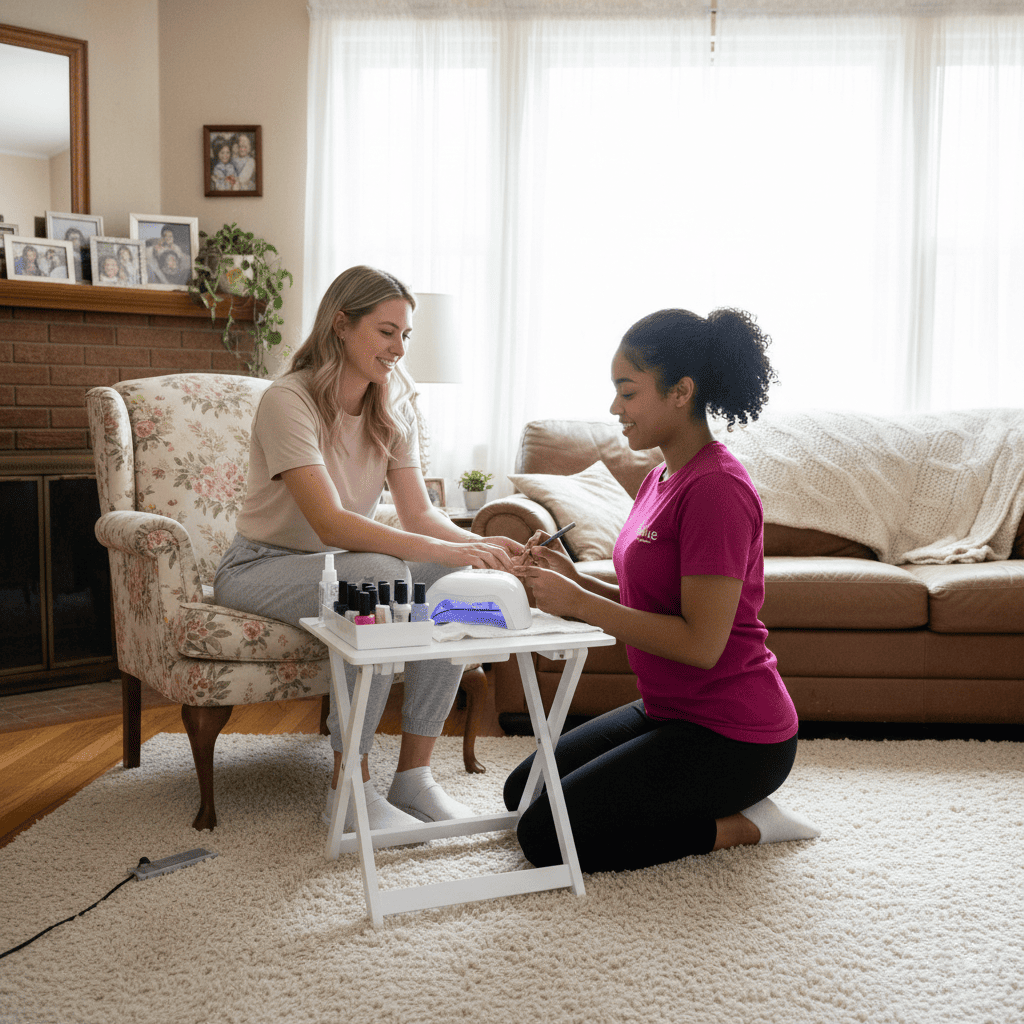
Schedule your appointment with Nailuxe today to experience the perfect balance of convenience, luxury, and professional nail care.
- Brand: Nailuxe
- Operations Base: 191 Hancock St, Brooklyn, NY 11216, United States (no walk-in service)
- Service Area: Manhattan, Brooklyn, Queens, The Bronx, Staten Island
- Hours: 07:00–21:00 (7 AM–9 PM), Monday to Sunday
- Hotline: +1442-555-4022
- Email: [email protected]
- Website: https://mobilenailnewyork.com
