

Selecting the ideal enhancement—such as a professional mobile gel manicure nyc service—depends on your natural plate health, personal aesthetic preferences, and daily lifestyle. In New York City, busy professionals, parents, and event planners balance demanding schedules across five boroughs, making clear distinctions among gel, dip powder, and acrylic systems essential for protecting natural nail integrity and optimizing personal beauty investments.
Bottom line: Each enhancement system delivers distinct physical properties and benefits. Gel provides lightweight flexibility with high-gloss natural elegance, dip powder delivers durable 3–4 week wear without UV light exposure, and acrylic creates maximum structural strength for dramatic lengths and bold shapes. The best option aligns with your natural nail condition, daily hand exposure, and preferred maintenance intervals.
Gel vs. Dip Powder vs. Acrylic at a Glance: The Key Differences
The primary differences among gel, dip powder, and acrylic enhancements involve chemical formulation, curing mechanisms, and structural durability.
Gel systems utilize photo-reactive oligomer formulations cured under a 48 W LED lamp in 30–60 seconds per layer, producing an elastic, chip-resistant coating. Dip powder systems layer fine polymer powder bonded with cyanoacrylate resin and set with a liquid activator in 2–3 minutes, requiring no light curing. Acrylic systems blend liquid ethyl methacrylate (EMA) monomer with polymer powder to form an ultra-rigid matrix that air-dries in 10–15 minutes, establishing the strongest foundation for sculpted tips and extended lengths.
What Are Acrylic Nails?
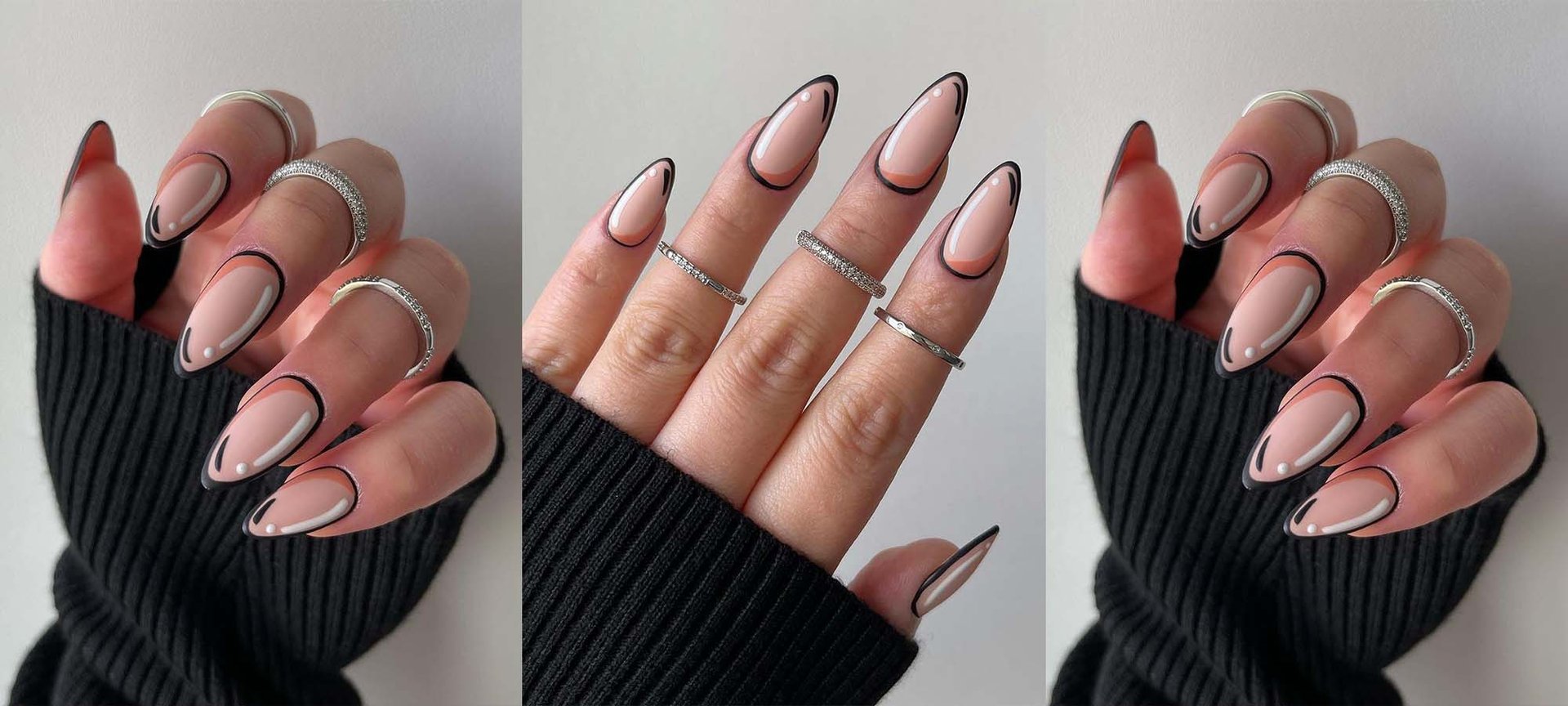
Acrylic nails are durable artificial enhancements created by combining a liquid monomer with a powdered polymer that hardens through open-air cross-linking over natural nails or extension tips.
This chemical synergy forms a high-strength shield that reinforces brittle plates and supports extensions extending 6 mm (0.24 in) to over 13 mm (0.51 in) past the free edge. Acrylic remains the preferred choice for individuals seeking maximum length, rigid overlays, or durable bite-deterrent protection.
The Acrylic Application Process
The acrylic application process follows six sequential phases: plate preparation, sanitization, tip sizing, bead sculpting, precision filing, and surface sealing.
A licensed technician first pushes back the proximal nail fold, cleans cuticle tissue from the nail plate, and gently removes surface shine with a single-use 180-grit buffer. The technician then applies a dehydrator and an acid-free primer to ensure optimal chemical bonding.
Plastic tips or sculpting forms are fitted if extensions are desired. The technician dips a specialized sable brush into EMA liquid monomer and polymer powder, creating a pliable bead applied across three structural zones: the free edge, the stress-absorbing apex, and the thin cuticle boundary.
Once the acrylic cures completely, the technician files the perimeter into your chosen silhouette, such as square, almond, or stiletto, navigating popular preferences in the coffin vs ballerina nails debate. A high-grit buffer smooths ridges before polish or intricate nail art is applied.
Pros and Cons of Acrylic Nails
Evaluating acrylic enhancements requires balancing superior physical strength against regular maintenance and chemical properties.
- Advantages: Acrylic enhancements deliver unmatched structural strength, supporting dramatic lengths and heavy hand use. They provide dependable protection for brittle, split, or bitten natural nails. The rigid surface serves as an ideal canvas for complex nail art, 3D charms, and encapsulation. Single-nail repairs cost only $8, eliminating the need to replace entire sets.
- Disadvantages: Liquid monomer produces a noticeable chemical odor that requires active room ventilation and portable fume extractors. Clients must schedule refill appointments every 2–3 weeks to rebalance the growing apex and prevent lifting. Improper forceful prying damages natural keratin layers. The rigid structure lacks flexibility, potentially cracking under severe perpendicular stress.
What Are Gel Nails?
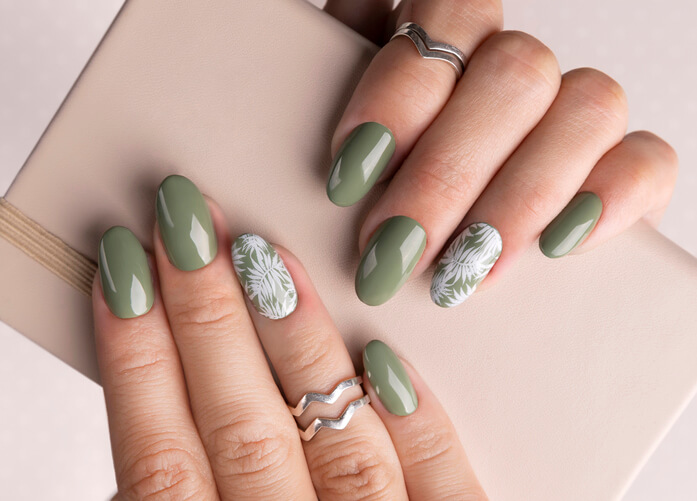
Gel nails are flexible enhancements formulated with photo-reactive oligomers that cure under LED light into a glossy, durable finish.
This system mimics the natural flexibility of the keratin plate, offering chip resistance and a weightless feel. Formulations range from soft soak-off gel polish to structured builder gel and full-cover soft gel tips, offering opacity choices from sheer nude to richly pigmented crèmes.
How Gel Nails Are Applied
Applying a gel manicure takes 45–60 minutes through five precise steps: dry preparation, base layer bonding, light curing, pigmented coating, and protective sealing.
Your technician cleans cuticles, dehydrates the natural plate, and applies a thin layer of specialized base coat. Each hand rests under a 48 W LED lamp for 30–60 seconds to initiate polymerization.
Technicians apply two to three thin color coats, curing each layer independently to prevent bubbling, shrinkage, and premature lifting. For clients with sensitive skin, HEMA-free gel options minimize allergic sensitization risks.
A high-gloss or matte top coat seals the color coats before a final 60-second cure. Nails remain dry immediately upon completion, allowing you to resume regular tasks such as typing, driving, or handling keys without smudging.
Pros and Cons of Gel Nails
Gel manicures offer immediate drying and natural movement but require disciplined curing and professional removal.
- Advantages: Natural flexibility absorbs mechanical shocks, reducing accidental breaks and edge splitting. The non-porous top coat retains mirror-like shine for 2–3 weeks without yellowing or dulling. Immediate LED curing eliminates wet polish dry times and accidental smudges. The lightweight profile feels completely identical to natural nails. Gentle soak-off removal preserves underlying dorsal plate health.
- Disadvantages: Repeated exposure to ultraviolet wavelengths during curing prompts some clients to apply broad-spectrum sunscreen to hands. Thin layers provide minimal reinforcement for severe nail biters or weak, paper-thin plates. Peeling lifted gel at home strips away superficial keratin cell layers. Color options require LED equipment rather than standard air-drying.
What Are Dip Powder Nails?
Dip powder nails, an ideal option for an at home dip powder nyc appointment, combine finely ground acrylic polymer with cyanoacrylate resin bonding agents to deliver long-wearing color without UV lamps.
This system creates a reinforced overlay that bridges the gap between flexible gel polish and heavy acrylics. Because the layers harden through chemical cross-linking triggered by a topical liquid activator, dip powder eliminates lamp exposure while delivering 3–4 weeks of chip-free wear.
The Dip Powder Manicure Process
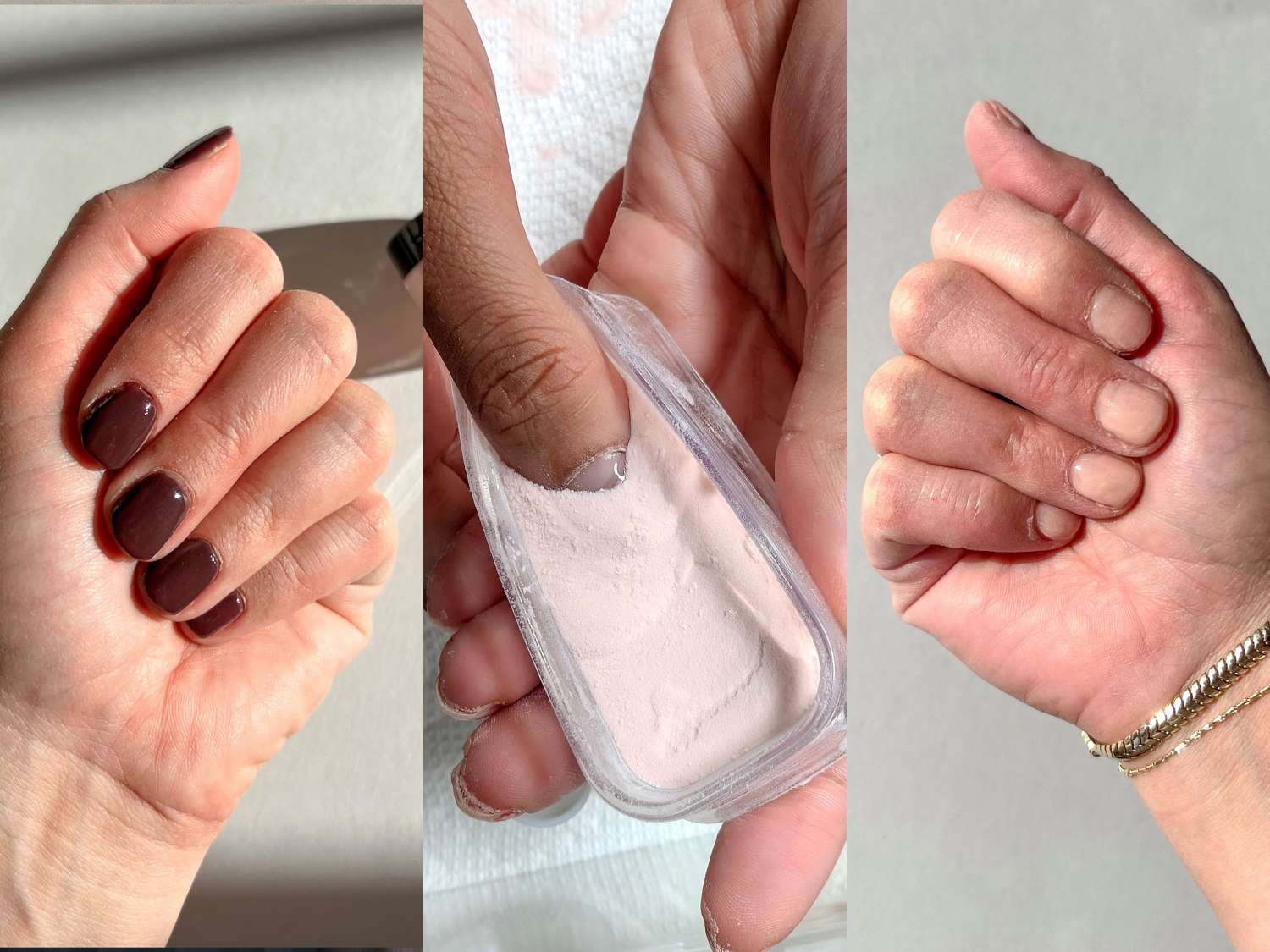
A professional dip powder application takes 45–50 minutes through five sequential steps: cuticle preparation, resin coating, hygienic powder sprinkling, activator hardening, and surface buffing.
The technician shapes free edges, gently pushes back cuticles, and removes oils with an alcohol dehydrator. A brush-on cyanoacrylate base coat covers one nail plate at a time to maintain adhesive wetness.
To maintain strict sanitary standards, technicians pour powder over the nail from a single-use cup rather than dipping fingers into communal jars, discarding any leftover powder. This layering repeats two to three times to achieve complete color opacity and structural thickness.
A liquid activator seals the resin and powder layers, accelerating curing within 2–3 minutes. Your technician files and buffs the surface smooth before applying an air-drying top coat that cures to a glossy finish.
Pros and Cons of Dip Powder Nails
Dip powder systems deliver long-lasting durability without light exposure, though they feature thicker profiles and require careful removal.
- Advantages: Manicures last 3–4 weeks without edge chipping, peeling, or loss of color vibrancy. The odorless liquid application suits individuals sensitive to strong acrylic monomer fumes. The system requires zero UV or LED curing light, eliminating skin exposure concerns. The layered structure provides substantial reinforcement for weak or brittle natural nails. Saturated powder pigments create rich, fully opaque color in just two applications.
- Disadvantages: Soaking off dip powder requires 15–20 minutes in acetone, which can dry surrounding skin if performed without conditioning oils. Communal dipping jars in substandard salons present cross-contamination risks, requiring single-use poured cups. Powder systems offer less precision for fine hand-painted nail art compared to gel paint. The cured coating feels slightly thicker and heavier than lightweight gel polish.
Durability and Longevity: Which Manicure Lasts Longest?
Manicure longevity varies according to enhancement chemistry, natural nail growth rates, and daily mechanical stress.
Fingernails grow approximately 3.47 mm (0.14 in) per month, creating a visible regrowth margin near the cuticle within 2 to 3 weeks regardless of system strength. Selecting the most durable option depends on how your hands handle daily routines such as typing, washing dishes, and physical exercise.
How Long Do Acrylics Last?
Acrylic enhancements last 6–8 weeks overall when maintained with professional refills every 2–3 weeks.
Because natural nail plates grow continuously, regrowth shifts the structural apex forward toward the free edge, increasing breakage risks. During fill appointments, technicians gently file away lifted areas and blend fresh EMA acrylic into the regrowth zone to rebalance weight distribution.
Wear gloves when handling household cleaners such as bleach, ammonia, and detergents if you want to extend acrylic durability. Applying daily jojoba-based cuticle oil keeps enhancement edges pliable and prevents premature lifting.
How Long Do Gel Nails Last?
Gel polish manicures maintain pristine condition for 2–3 weeks on fingernails and 4–6 weeks on toenails.
Toenails grow at 1.62 mm (0.06 in) per month—less than half the rate of fingernails—which significantly extends pedicure wear. On hands, high-contact lifestyles involving frequent typing or athletic training can cause minor edge chipping near week 3.
Never use your nail tips as tools to open cans, scrape stickers, or unfasten key rings if you want to prevent gel peeling. Moisturizing cuticles nightly maintains the bond between the natural keratin plate and the gel base.
How Long Do Dip Powder Nails Last?
Dip powder manicures deliver 3–4 weeks of chip-resistant wear on natural nails and tip extensions.
The cross-linked cyanoacrylate resin matrix resists chipping, scratching, and water penetration better than standard gel polish. While visible regrowth appears at the eponychium after 21 days, the color coat remains glossy and intact.
Avoid submerged hot water baths during the first 24 hours after application to ensure complete chemical curing. Consistent application of nourishing cuticle oils prevents the powder overlay from becoming brittle over extended wear.
Image suggestion: Timeline graphic showing wear patterns for each nail type over 4 weeks
Impact on Nail Health: The Best Option for Your Natural Nails
Maintaining natural nail health depends far more on proper preparation and gentle removal than on the specific enhancement system you select.
Gel polish causes minimal mechanical stress because its flexible formulation bends naturally with the nail plate. Choosing the best nail shapes, such as squoval, rounded, or oval contours, also disperses lateral pressure and prevents painful snagging. However, wearing continuous gel sets without intermittent resting periods can dehydrate superficial keratin sheets.
Acrylic shells provide superior protection against breaks for weak, splitting, or bitten natural nails by establishing a rigid external armor. Natural plates continue growing safely underneath if the initial preparation avoids harsh e-file etching. Severe damage occurs almost exclusively from aggressive mechanical peeling, ripping, or uncertified monomer use.
Dip powder provides intermediate rigidity without damaging natural beds when applied over healthy tissue. The bonding resin adheres without deep mechanical abrading, though proper acetone soak-off is mandatory to prevent peeling. Professional technicians prioritize structural integrity by assessing your natural nail plate thickness before recommending an enhancement.
The Removal Process: How MobileNailNewyork Handles It Safely at Your New York Home
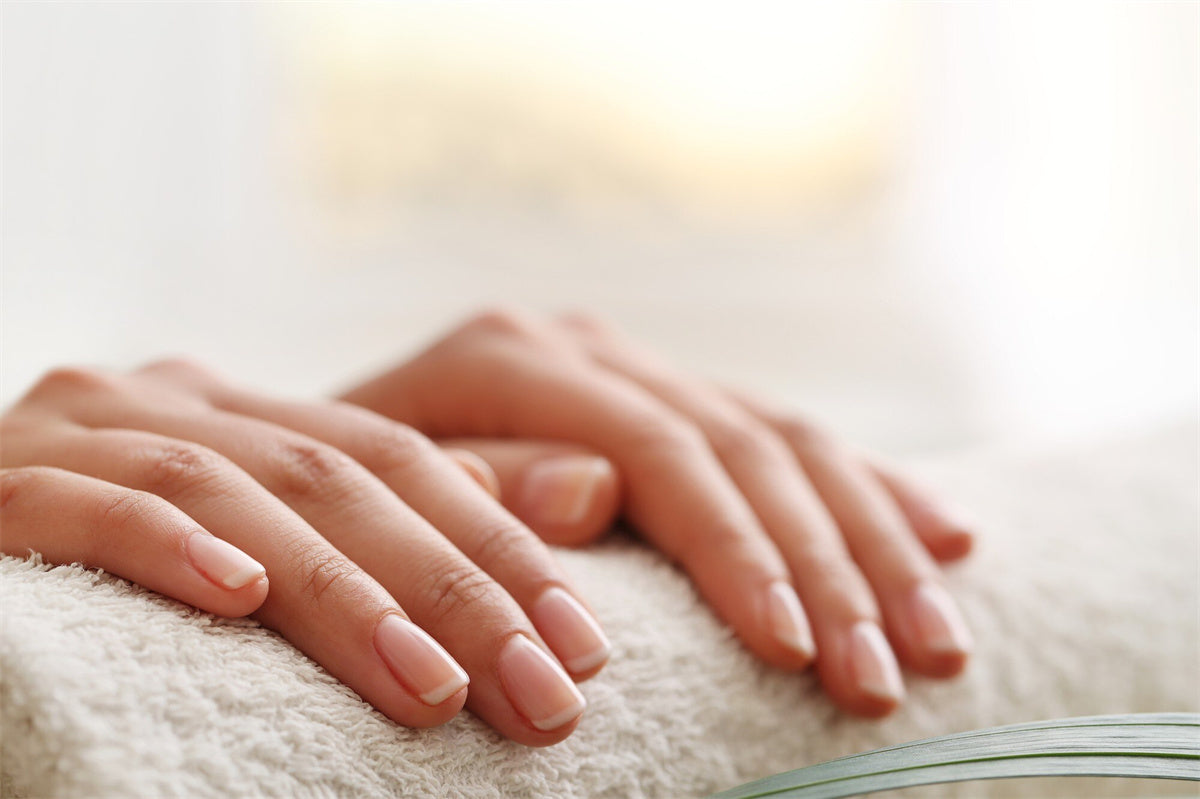
Safe enhancement removal protects your natural nail plate by utilizing pure acetone soak-offs rather than aggressive mechanical peeling or prying.
Nailuxe mobile technicians bring hospital-grade removal supplies, sterilized implements, and protective work mats directly to your residence across New York City. Every technician follows strict protocols to soften products thoroughly and nourish the exposed keratin plates.
Removing Acrylic Nails
Removing acrylic extensions takes 20–30 minutes through precision debulking, acetone soaking, and gentle residue clearing.
Your technician first trims excess extension length and reduces the bulk of acrylic using a 100/180-grit hand file, running a portable HEPA fume extractor to capture fine dust particles. This preliminary step reduces solvent exposure times significantly.
Each finger is wrapped in acetone-soaked cotton pads secured with aluminum foil to concentrate heat and accelerate dissolution. Softened acrylic slides off with gentle wooden cuticle stick pressure, avoiding forceful metal scraping that could gouge the nail bed. A vitamin-rich cuticle oil massage concludes the service to restore moisture.
Removing Gel Nails
The process for removing gel nails takes 10–15 minutes and uses gentle foil wraps to dissolve the polymer coat without thinning the natural plate.
The technician breaks the non-porous topcoat seal using a gentle 180-grit file so acetone can penetrate the color layers. Cotton saturated with acetone sits snugly against each nail inside protective foil wraps.
Once softened, the gel dissolves into crumbly flakes that push away effortlessly with an orangewood stick. Technicians apply fresh acetone compresses to stubborn spots rather than prying them away. A light buff with a 240-grit buffer restores smooth nail texture.
Removing Dip Powder Nails
Dip powder removal requires 15–20 minutes, combining preliminary surface filing with targeted acetone wraps.
Your technician files through the shiny sealant layer and reduces powder thickness by roughly 70% to expose the absorbent resin base. Understanding the functional differences between acetone vs non acetone removers is critical here, as 100% pure acetone is necessary to dissolve durable cyanoacrylate polymers.
Individual foil wraps secure saturated cotton across all ten digits until the resin softens into a manageable paste. Technicians sweep away the residue following the direction of natural nail growth to prevent plate delamination. Application of jojoba oil and keratin strengthener restores plate flexibility immediately.
Cost of At-Home Nail Services in New York: A Comparison
At-home nail services in New York City offer personalized convenience, sterilized privacy, and transparent pricing across all five boroughs.
Booking in-home nail care, such as an at home nails queens appointment, eliminates subway travel and salon waiting times. Published rates reflect clear service prices plus fixed borough travel fees and 4.5% New York City local sales tax (travel fees and tips carry no sales tax).
Gel Manicure Pricing:
A full at-home Gel Manicure from Nailuxe costs $70 for a 60-minute service, compared to $45–$65 at traditional salons that require a commute. Stand-alone gel removal costs $25, or $10 when booked prior to a new manicure service.
Acrylic Nail Costs:
Full sets of acrylic extensions cost $95 for Short (up to 6 mm [0.24 in] past fingertip), $110 for Medium (7–12 mm [0.28–0.47 in]), and $125 for Long (13 mm [0.51 in] and longer). Regrowth fills cost $70 for 90 minutes, while full natural overlays cost $85. Acrylic removal as a stand-alone service is $35.
Dip Powder Pricing:
Dip powder on natural nails costs $75 (75 minutes), dip powder with tips for added length costs $95 (105 minutes), and French or ombre styles cost $90 (90 minutes). Stand-alone dip powder removal costs $30. Its 3–4 week lifespan delivers exceptional value per week of wear.
Fixed travel fees apply once per visit: $0 in Brooklyn, $15 in Manhattan, $15 in Queens, $25 in The Bronx, and $25 in Staten Island. Travel fees are completely waived when three or more guests receive services at one address.
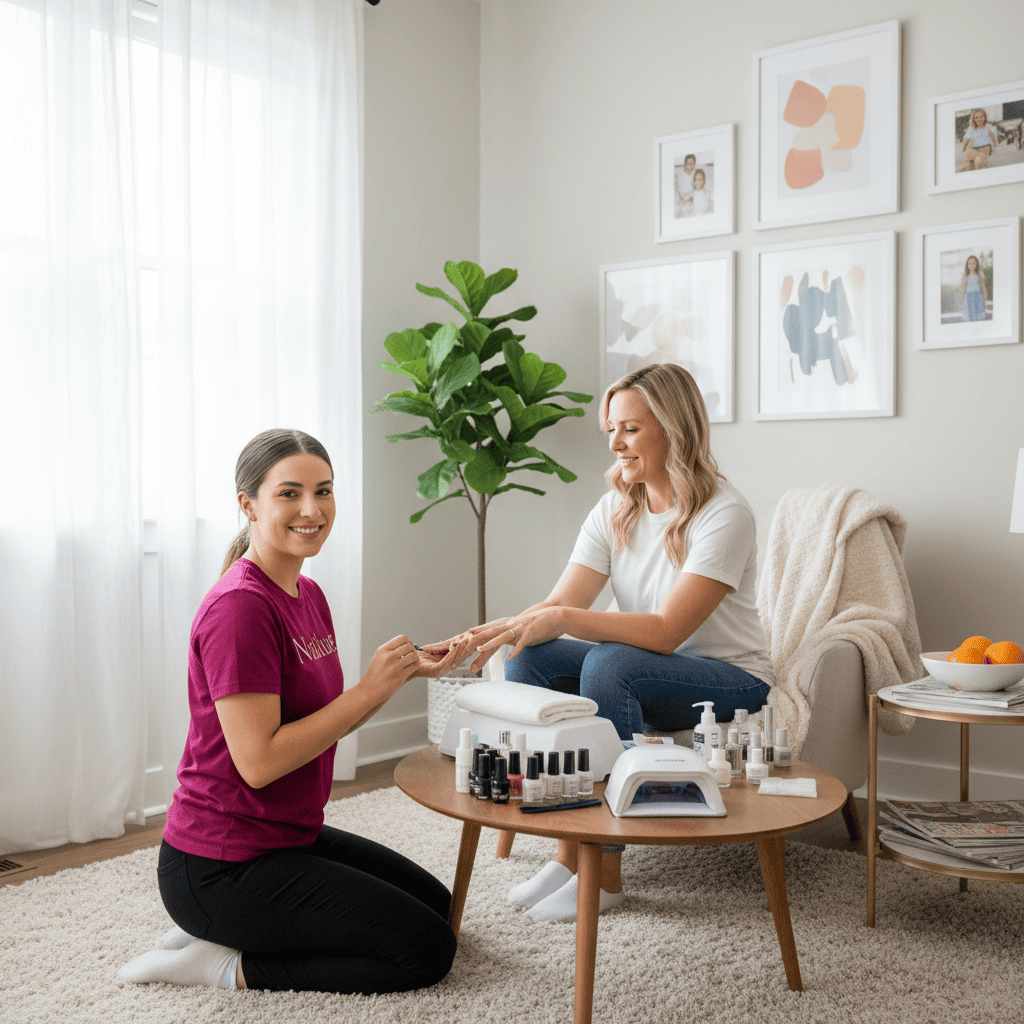
Which Option Should You Choose? A MobileNailNewyork Recommendation
Your optimal enhancement depends on your daily hand activity, desired length, and maintenance preferences.
Choose gel nails if:
You prefer lightweight, natural-looking flexibility with zero smudging. Your schedule allows bi-weekly appointments, and your daily routine involves moderate hand use such as typing, office tasks, and parenting.
Select acrylic nails if:
You desire noticeable extension length, durable sculpted shapes, or bold 3D nail art. Acrylic provides the rigid reinforcement required if you have brittle, damaged, or bitten natural nails.
Opt for dip powder if:
You want long-lasting 3–4 week wear without UV or LED light exposure. Dip powder suits active lifestyles, travel schedules, and individuals sensitive to liquid acrylic monomer odors.
Nailuxe brings licensed nail technicians directly to your home across Manhattan, Brooklyn, Queens, The Bronx, and Staten Island from 07:00 to 21:00, seven days a week. Operating from 191 Hancock St, Brooklyn, NY 11216 (no walk-in appointments), our technicians open sealed, steam-autoclaved tools at 121°C (250°F) in front of you and operate portable HEPA fume extractors. Every gel, acrylic, and dip service is backed by the Nailuxe 7-Day Care Promise.
Schedule your appointment online at mobilenailnewyork.com or call +1442-555-4022 to enjoy professional salon care in the comfort of your New York home.
